
One of the most common questions travelers ask before visiting Japan is whether to rely on cash or credit card in Japan. The honest answer is: you need both. Japan has a reputation for being a cash-heavy society, and while that is changing fast, plenty of places — from rural ryokan to small ramen shops — still expect you to pay in yen. Getting this wrong can leave you stranded at the register with an impatient line behind you.
How Japan’s Payment Culture Actually Works in 2026

Japan has made significant strides toward cashless payments in recent years, driven by government initiatives and the tourism boom. Major convenience stores like 7-Eleven, FamilyMart, and Lawson all accept IC cards, credit cards, and QR code payments. Department stores in Tokyo, Osaka, and Kyoto are almost universally card-friendly.
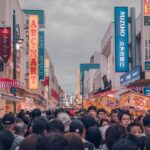
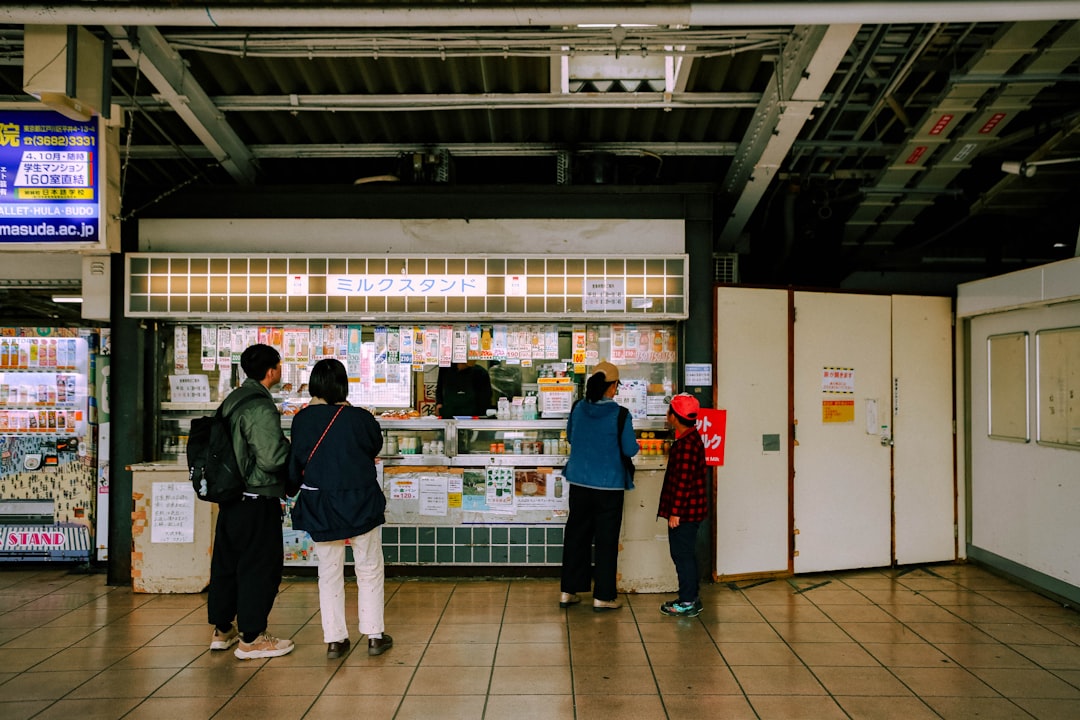
However, step outside the main tourist corridors and the picture changes quickly. A beloved tonkatsu restaurant in a Kyoto backstreet, a local sento bathhouse in Osaka, or a small shrine gift shop in Nikko may be cash only. Vending machines, coin lockers at train stations, and most temple admission booths also require coins or bills.
A practical rule of thumb: always carry at least ¥5,000 to ¥10,000 in cash on you every day. That covers a meal, transport top-ups, and small purchases without any stress.
Where to Get Yen in Japan (Without Paying High Fees)
The single best place to withdraw yen in Japan is from a 7-Bank ATM inside any 7-Eleven convenience store. These machines have English interfaces, accept most international Visa, Mastercard, and Maestro cards, and are available 24 hours a day. Japan Post Bank ATMs and Japan Post offices are another reliable option across the country.
Avoid airport currency exchange booths if you can — their rates are poor and fees are high. Instead, withdraw a manageable amount, around ¥20,000 to ¥30,000, from a 7-Eleven ATM shortly after arrival and top up as needed throughout your trip.
One common mistake travelers make is assuming their card will work at any ATM. Many local bank ATMs in Japan — including those at regional banks — do not accept foreign cards. Stick to 7-Eleven, Japan Post, or Aeon Bank ATMs to avoid frustrating declines.
When to Use Your Credit Card in Japan
Credit cards are increasingly accepted at hotels, chain restaurants, larger izakayas, and all major department stores. Visa and Mastercard have the widest acceptance. American Express is accepted in many upscale spots but less so at mid-range restaurants. JCB is a local favorite but less useful for foreign-issued cards.
For transportation, your credit card may work directly on IC card readers in some areas, but the safest move is to load a Suica or ICOCA card using your phone’s Apple Pay or Google Pay. This gives you seamless access to trains, subways, and buses across most of Japan without fumbling for coins.
If you are shopping at duty-free counters in Shinjuku, Akihabara, or Osaka’s Shinsaibashi, using a credit card is ideal — some stores even offer an additional discount for card users presenting their passport for tax-free purchases.
Cash-Only Situations Every Traveler Should Know
There are specific situations in Japan where cash is absolutely required and being unprepared can seriously disrupt your plans. Traditional ryokan, especially those in Hakone, Kyoto’s Arashiyama area, or Kinosaki Onsen, frequently expect full payment in cash at checkout. Confirm payment methods when booking.
Taxis in Japan are a mixed bag. Most major taxis in Tokyo now accept cards, but smaller regional taxi companies often do not. If you are taking a taxi late at night in a smaller city, assume cash only and have enough on hand.
Street food stalls, local festivals (matsuri), and temple market vendors are almost always cash only. During spring cherry blossom season at Ueno Park or autumn foliage events at Tofuku-ji Temple in Kyoto, food stalls line the paths and every single one of them will want cash.
FAQ
Can I travel Japan with only a credit card?
Technically possible in central Tokyo or Osaka, but not recommended. Too many essential experiences — local restaurants, temples, rural travel — require cash. Always carry yen alongside your card.
What is the best credit card to use in Japan?
A no-foreign-transaction-fee Visa or Mastercard is ideal. Cards like the Charles Schwab debit card (for Americans) or Wise card are popular among travelers for their low fees and good exchange rates.
Is it safe to carry cash in Japan?
Absolutely. Japan is one of the safest countries in the world for carrying cash. Petty theft and pickpocketing are extremely rare compared to most major tourist destinations. Many locals carry large amounts of cash without concern.
Conclusion
The smartest approach to the cash or credit card in Japan debate is to never choose just one. Use your credit card for hotels, larger restaurants, and department store shopping. Keep a steady supply of yen for local eateries, temples, taxis, and those unforgettable street-side encounters that make Japan so special.
Before your trip, set up a Suica card on Apple Pay or Google Pay, notify your bank about your travel dates, and memorize the nearest 7-Eleven to your hotel. Do those three things and you will handle payments in Japan like a seasoned traveler from day one.