
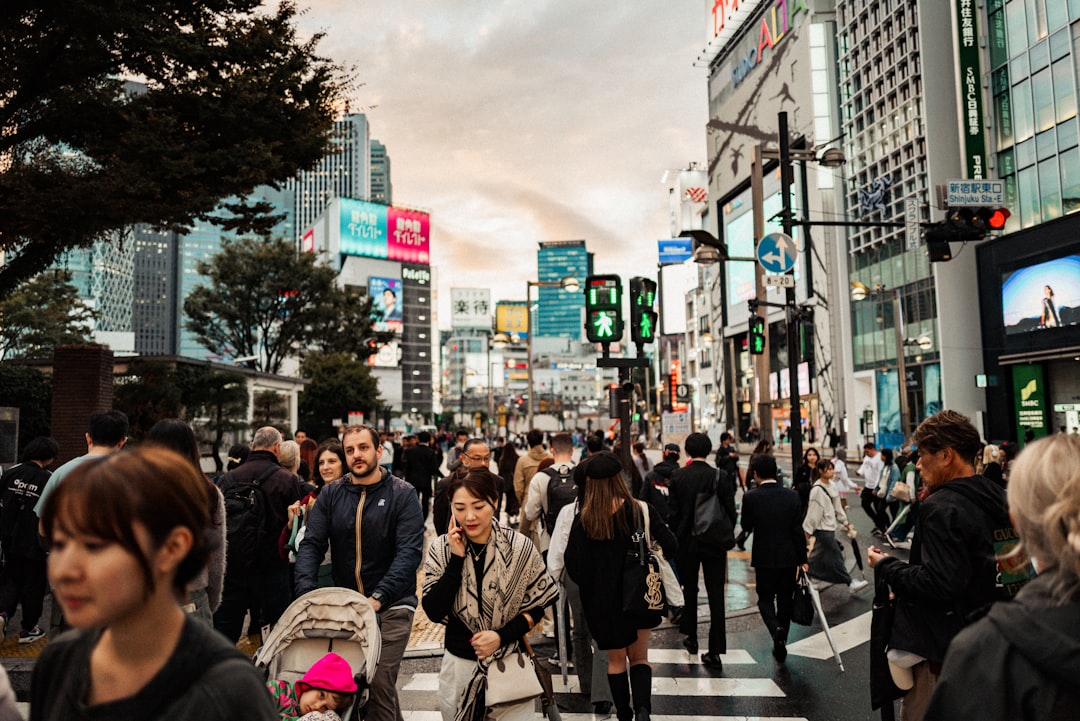
Finding English-speaking doctors in Tokyo is one of the most common challenges foreigners face when living in Japan. Whether you need a routine checkup, a specialist referral, or emergency care, the language barrier can turn a simple medical visit into a stressful experience. The good news is that Tokyo has a surprisingly strong network of international clinics and bilingual physicians — you just need to know where to look.
Why Finding a Doctor in Tokyo Is Harder Than It Sounds

Japan’s healthcare system is excellent by global standards, but it was built almost entirely in Japanese. Most public hospitals and neighborhood clinics operate solely in Japanese, from the intake forms to the consultation itself. For foreigners without strong Japanese skills, this creates real risks — misdiagnosed symptoms, wrong medication doses, or simply not understanding your treatment plan.
Even foreigners who speak conversational Japanese often struggle with medical vocabulary. Describing symptoms accurately, understanding a diagnosis, and asking the right questions about medication requires a level of fluency that takes years to develop. Never assume a clinic will have English support unless it explicitly advertises it.
On top of that, Japan uses a referral-based system for specialist care. Many international patients don’t realize this and show up at a major hospital expecting to see a specialist directly — only to be turned away and told to visit a general practitioner first. Knowing how the system works saves you time, money, and frustration.
The Best International Clinics in Tokyo for English Speakers
Tokyo has several well-established international clinics that cater specifically to foreign residents. These facilities employ English-speaking staff throughout, meaning help doesn’t stop at the front desk.
Tokyo Medical and Surgical Clinic in Minato-ku (near Kamiyacho Station on the Hibiya Line) is one of the most trusted options. It offers general medicine, women’s health, pediatrics, and specialist referrals. A standard consultation costs around ¥5,000–¥10,000 without insurance, and they work directly with most international health insurance providers.
International Clinic Tokyo in Roppongi is another solid choice, particularly popular with expats in central Tokyo. They offer same-day appointments in many cases and handle everything from annual physicals to vaccinations and travel medicine. If you’re relocating to Tokyo for work, booking an initial health check here within your first few weeks is a smart move.
St. Luke’s International Hospital in Tsukiji is a larger option with a dedicated international health management division. It has English-speaking staff across multiple departments and accepts a wide range of insurance. Expect higher fees but also a broader range of specialist care than smaller clinics can offer.
How to Use AMDA and Online Directories to Find the Right Doctor
If you need a specialist — a dermatologist, psychiatrist, orthopedic surgeon, or OB-GYN — the AMDA International Medical Information Center is one of the most useful free resources available. They offer multilingual phone consultations (including English) and can point you to appropriate clinics across Tokyo based on your specific needs. Their Tokyo line is 03-5285-8088.
The TELL Community Lifeline (03-5774-0992) is another critical resource, especially for mental health support. They provide English-language counseling referrals and crisis support, and can recommend English-speaking therapists and psychiatrists throughout the Tokyo metro area.
For building your own list, the ACCJ (American Chamber of Commerce in Japan) website and expat community groups on Facebook — such as “Foreigners in Tokyo” — regularly share updated recommendations for English-speaking doctors. Crowdsourced reviews from fellow residents are often more current than official directories.
What to Expect During Your Visit and How to Prepare
Even at international clinics, come prepared. Bring your residence card (zairyu card), your National Health Insurance card (or private insurance documents), and a written summary of your medical history in English. If you’re on regular medication, bring the original packaging or a printed list of the generic drug names — Japanese pharmacies use different brand names.
For a routine consultation at an international clinic, budget around ¥5,000–¥15,000 depending on the clinic and type of visit. If you’re enrolled in Japan’s National Health Insurance (NHI), you’ll pay 30% of the total cost. Many expats also carry private international insurance through providers like AXA or CIGNA, which can be billed directly by larger clinics.
One common mistake: showing up without an appointment at a busy clinic and expecting to be seen quickly. Always call or book online in advance, especially at popular expat clinics where same-day slots fill up fast.
FAQ
Can I use my Japanese National Health Insurance at an international clinic?
Yes, in most cases. The majority of reputable English-speaking clinics in Tokyo are enrolled in the NHI system. Present your health insurance card at reception and you’ll typically pay 30% of the total bill. Always confirm this when you book, as some smaller private clinics are cash-only or do not accept NHI.
What should I do in a medical emergency in Tokyo?
Call 119 for an ambulance. Tokyo Fire Department dispatchers have access to English support. For non-life-threatening situations that still need urgent attention, the Tokyo Metropolitan Health and Medical Information Center (03-5285-8181) offers 24-hour English-language advice on which hospital to visit based on your symptoms and location.
Are there English-speaking mental health professionals in Tokyo?
Yes, and more than many people expect. TELL Lifeline, Beacon Counseling, and Tokyo English Lifeline all connect residents with English-speaking therapists and psychiatrists. Sessions typically range from ¥10,000–¥20,000 per hour depending on the provider and whether insurance is involved.
Conclusion
Navigating healthcare in a foreign country is stressful, but in Tokyo you have real options. From full-service international hospitals like St. Luke’s to specialist referral networks through AMDA, the infrastructure exists — you just need to know how to access it before you actually need it.
Don’t wait until you’re sick to find your doctor. Take an afternoon this week to identify a local English-speaking clinic near your neighborhood, save the AMDA and emergency numbers in your phone, and confirm your insurance coverage. A little preparation now means far less panic later — and much better care when it counts.