
Fukuoka is one of Japan’s most exciting cities to visit, and it’s quickly becoming a top destination for international travelers who want something beyond Tokyo and Osaka. This Fukuoka travel guide for tourists covers everything you need to know — from ramen-filled street food nights to ancient shrines, sandy beaches, and easy day trips into Kyushu. Whether you’re arriving by plane, bullet train, or ferry from South Korea, Fukuoka is remarkably easy to navigate and incredibly rewarding.
Getting to and Around Fukuoka

Most international visitors fly into Fukuoka Airport (FUK), which is one of the most conveniently located airports in Japan — just two subway stops from Hakata Station on the Kūkō Line. The ride takes about five minutes and costs ¥260. It’s almost unbelievably easy compared to navigating Narita or Kansai Airport.
If you’re already in Japan, the Tokaido-Sanyo Shinkansen connects Fukuoka (Hakata Station) to Osaka in about 2 hours 15 minutes and to Tokyo in about 5 hours. Budget travelers can also take an overnight highway bus from Osaka for around ¥3,000–¥5,000.
Once you’re in the city, the Fukuoka City Subway covers most tourist areas efficiently. For ¥620, you can buy a one-day unlimited pass — a great deal if you’re planning to visit multiple neighborhoods. Taxis are widely available but pricey, so use them only for short hops when the subway isn’t convenient.
Top Things to Do in Fukuoka
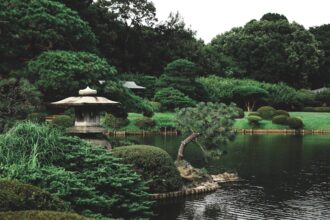
Start your visit at Ohori Park, a beautiful lakeside park in central Fukuoka where locals jog, paddle boats, and picnic on weekends. It’s free to enter and connects directly to the reconstructed ruins of Fukuoka Castle. Early mornings here are peaceful and photogenic.
For history lovers, Dazaifu Tenmangu Shrine is a must. Located about 30 minutes from Hakata by train (take the Nishitetsu Line from Tenjin Station), this stunning shrine is dedicated to the god of learning and is surrounded by plum trees and traditional shops. The famous umegae mochi — a grilled rice cake filled with sweet red bean paste — is sold fresh at stalls along the approach and costs about ¥150 each.
Don’t miss Yanagibashi Rengo Market, a lively covered market near the Naka River that locals call “Fukuoka’s kitchen.” It’s packed with fresh seafood, pickles, and local snacks. Go in the morning when it’s busiest, and don’t be shy — vendors are used to curious visitors.
What to Eat in Fukuoka
Fukuoka is arguably Japan’s best food city, and Hakata ramen is the star of the show. This rich, creamy tonkotsu (pork bone) broth ramen is served with thin, firm noodles — and the best place to experience it is at one of the iconic yatai (open-air food stalls) along Nakasu or Tenjin. Pull up a stool at a yatai around 8 p.m. and order a bowl for about ¥800–¥1,000. It’s a genuine Fukuoka experience you won’t find anywhere else in Japan.
Beyond ramen, Fukuoka is famous for mentaiko (spicy pollock roe), mizutaki (a delicate chicken hot pot), and motsunabe (offal hot pot with cabbage and garlic chives). For a sit-down meal, head to Nakasu Island where dozens of restaurants line the waterfront and serve these local specialties.
Warning: Many yatai are cash only and close when it rains, so carry yen and have a backup plan. The stalls typically open around 6 p.m. and close by midnight.
How Many Days Do You Need in Fukuoka?
Three full days is the sweet spot for most tourists. Day one covers the city highlights — Ohori Park, Hakata’s temples, and an evening at the yatai. Day two is perfect for a day trip to Dazaifu or the coastal town of Itoshima, known for its dramatic seaside torii gates and trendy beach cafés. Day three gives you time to explore Canal City Hakata, shop in Tenjin, and catch any spots you missed.
If you have a JR Pass, consider a half-day trip to Beppu (about 2 hours by limited express), famous for its dramatic “hell ponds” and natural hot spring baths. It’s a spectacular side trip that pairs perfectly with a Fukuoka base.
FAQ
Is Fukuoka worth visiting for tourists?
Absolutely. Fukuoka offers a rare combination of great food, genuine culture, beautiful nature, and an easygoing pace — without the overwhelming crowds of Tokyo or Kyoto. It’s consistently ranked as one of Asia’s most livable cities, and tourists benefit from that same friendly, relaxed atmosphere.
What is the best time of year to visit Fukuoka?
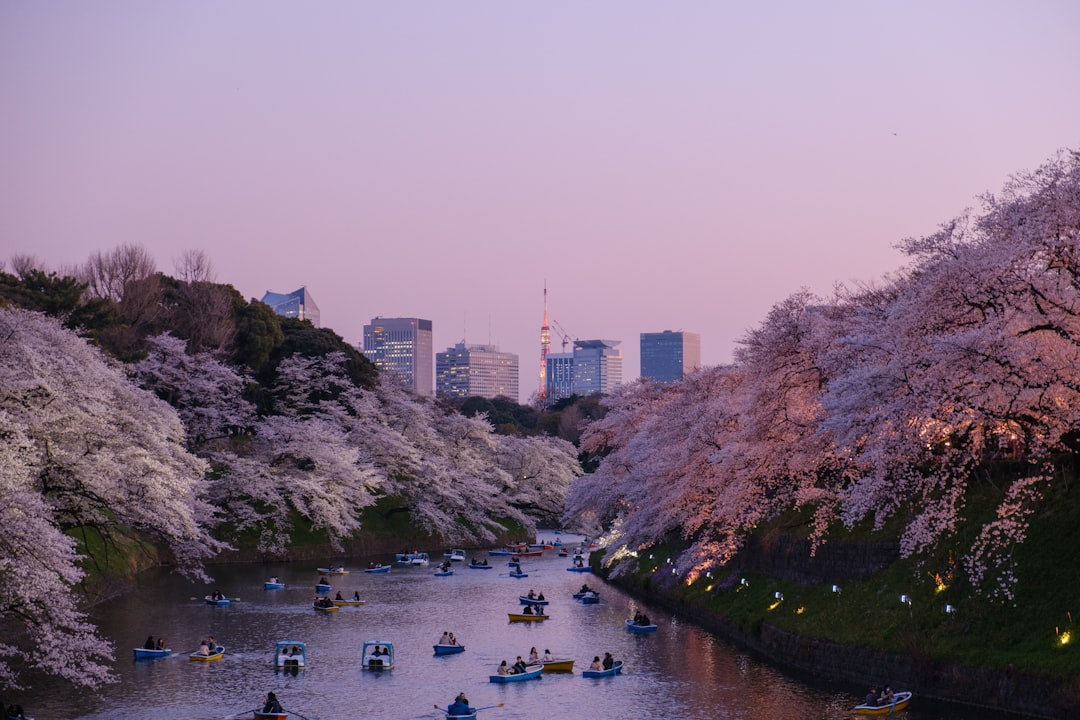
Spring (March–April) and autumn (October–November) offer the most comfortable weather and beautiful scenery. Cherry blossoms at Maizuru Park peak in late March. Summer is hot and humid with occasional typhoons, while January and February are mild by Japanese standards but can be rainy.
Is Fukuoka easy to navigate without speaking Japanese?
Yes, more than most Japanese cities. Subway signs are in English, major tourist attractions have English information, and younger locals are often willing to help. Download Google Maps offline and use the Google Translate camera function for menus — you’ll manage just fine.
Conclusion
Fukuoka punches well above its weight as a travel destination. It has world-class food, rich history, easy transportation, and a welcoming energy that makes first-time visitors feel immediately at home. Whether you’re spending a weekend here or using it as a gateway to Kyushu, this city will almost certainly surprise you — in the best way.
Ready to plan your trip? Browse our other Japan city guides on Japan Navigator for more practical advice on getting around, where to stay, and what not to miss across the country.