
Hiroshima is one of the most powerful and moving destinations in all of Japan, and no trip to the country feels truly complete without visiting it. This Hiroshima travel guide for tourists will walk you through everything you need to know — from the iconic Peace Memorial Park to hidden local gems, the best food to try, and exactly how to get around the city. Whether you have one day or three, Hiroshima will leave a lasting impression that goes far beyond history books.
What to See and Do in Hiroshima

The Hiroshima Peace Memorial Park is the undisputed heart of any visit to the city. Located in the center of Hiroshima on the island formed by the Ota River delta, the park is home to the Peace Memorial Museum, the Atomic Bomb Dome (Genbaku Dome), and dozens of memorials. Budget at least two to three hours here — the museum alone is deeply detailed and emotionally intense, so take your time.
The Atomic Bomb Dome (a UNESCO World Heritage Site) is best visited both during the day and at dusk, when the lighting gives the ruins an especially haunting beauty. Admission to the Peace Memorial Museum is just ¥200 for adults — one of the best-value museum tickets in Japan.
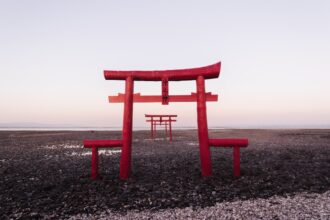
Just a short tram or ferry ride away is Miyajima Island (officially Itsukushima), famous for its floating torii gate and friendly wild deer. Most tourists visit as a half-day side trip from Hiroshima city. Take the JR Ferry from Miyajimaguchi Station — it’s covered by the JR Pass — and arrive early (before 9:00 AM) to beat the crowds and catch the torii gate in soft morning light.
Getting Around Hiroshima
Hiroshima is surprisingly easy to navigate. The city has an excellent tram (streetcar) network that connects the main train station, Hiroshima Station, to Peace Memorial Park and most other tourist sites. A single ride costs ¥220, or you can buy a one-day pass for ¥700 — a smart buy if you’re making more than three trips in a day.
Hiroshima Station is on the JR San’yo Shinkansen line, making it easy to reach from Osaka (about 85 minutes), Kyoto (about 100 minutes), or Tokyo (about 4 hours). If you’re using a JR Pass, both the Shinkansen and the ferry to Miyajima are covered, saving you significant money.
For a practical example: a typical tourist day starts at Hiroshima Station, takes Tram Line 2 to the Peace Memorial Park (about 15 minutes), walks through the park and museum, then catches the tram back toward Hiroshima-ko (the port) to grab a ferry to Miyajima. The whole loop is easy to complete in one full day without rushing.
What to Eat in Hiroshima
You cannot leave Hiroshima without eating Hiroshima-style okonomiyaki. Unlike the Osaka version where all ingredients are mixed together, Hiroshima okonomiyaki is layered — cabbage, pork, noodles (yakisoba or udon), and egg are stacked up and griddled to perfection. Head to Okonomi-mura (“Okonomiyaki Village”), a three-story building near Hondori with over 20 small stalls, each with their own take on the dish. Prices typically run ¥900–¥1,300 per serving.
Other local specialties worth trying include Hiroshima oysters (the prefecture produces about 60% of Japan’s oysters), served grilled, fried, or raw at restaurants near the waterfront and in Miyajima. For something sweet, pick up momiji manju — maple-leaf-shaped cakes filled with red bean paste — which you’ll find at every shop on Miyajima Island for around ¥100–¥130 each.
Practical Tips Before You Go
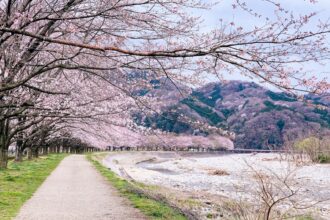
The best times to visit Hiroshima are spring (March to May) and autumn (October to November). Spring brings cherry blossoms to Peace Memorial Park, while autumn fills Miyajima with vivid red and orange maple leaves. Summer is hot and humid (often above 35°C in August), so pack light clothing and stay hydrated.
One common mistake tourists make is trying to rush Hiroshima as a quick half-day stop. The Peace Memorial Museum alone warrants at least 90 minutes, and Miyajima deserves a separate half-day at minimum. Ideally, plan for one full day in the city and one half-day for Miyajima — or better yet, spend two nights in Hiroshima and take it all in properly.
Hiroshima city hotels are reasonably priced compared to Tokyo or Kyoto. Expect to pay around ¥8,000–¥15,000 per night for a clean mid-range hotel near Hiroshima Station.
FAQ
How many days do I need in Hiroshima?
Most tourists are well-served by two full days — one for Peace Memorial Park and the city itself, and one for Miyajima Island. If you’re short on time, you can combine both in a single packed day, but you’ll feel the rush.
Is Hiroshima safe to visit in terms of radiation?
Absolutely. Hiroshima is completely safe to visit. The radiation from the 1945 atomic bomb has long since dissipated. Hiroshima is a thriving, modern city with no lingering radiation risk — a fact confirmed by scientific studies and international health organizations.
Do I need to speak Japanese to visit Hiroshima?
No. Hiroshima is well set up for international visitors. Most major tourist sites, trams, and restaurants near the Peace Park have English signage and menus. Staff at Hiroshima Station and major hotels speak functional English.
Conclusion
Hiroshima is not just a place of remembrance — it’s a vibrant, welcoming city that offers history, culture, incredible food, and some of Japan’s most stunning scenery. With a little planning, your visit can be one of the most meaningful experiences of your entire Japan trip.
Ready to start planning? Browse our other Japan city guides on Japan Navigator to build your perfect itinerary — and make sure Hiroshima gets the time it truly deserves on your trip.