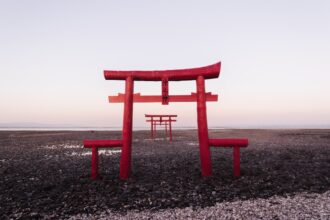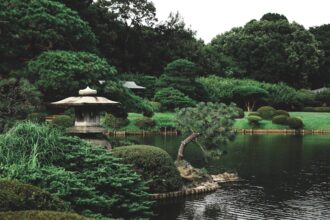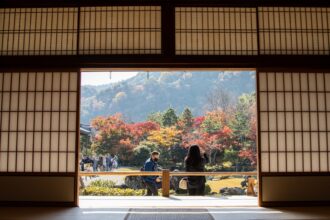

Kyoto is unlike anywhere else in Japan — and honestly, unlike anywhere else in the world. This former imperial capital is home to over 1,600 Buddhist temples, 400 Shinto shrines, and some of the most breathtaking traditional architecture you’ll ever see. Whether you’re planning a quick two-day stop or a full week of exploring, this Kyoto travel guide for first-time visitors gives you everything you need to make the most of your trip without the guesswork.
Getting to Kyoto and Getting Around

Most visitors arrive in Kyoto via the Shinkansen (bullet train) from Tokyo, which takes about 2 hours and 15 minutes on the Nozomi and costs around ¥13,500 one way. From Osaka, the train takes only 15 minutes on the Shinkansen or about 30 minutes on the cheaper Hankyu or Kintetsu lines for roughly ¥600.
Once you’re in the city, the best ways to get around are city buses, the subway, and bicycles. The Kyoto City Bus network covers almost every major tourist site, and a single ride costs ¥230. If you plan to ride more than twice in a day, pick up a one-day bus pass for ¥700 at the Kyoto Station bus terminal.
For example, if you’re heading from Kyoto Station to Kinkaku-ji (the Golden Pavilion), take Bus 101 or 205 directly — no transfers needed, about 40 minutes. Renting a bicycle near Kyoto Station is also a great option for exploring the Higashiyama district, where many streets are too narrow for buses anyway.
The Must-See Attractions in Kyoto
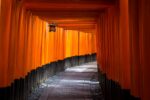
Kyoto has so many temples and shrines that it’s easy to feel overwhelmed. Focus on a few iconic spots rather than rushing through dozens. Fushimi Inari Taisha — the famous shrine with thousands of torii gates — is free to enter and most impressive in the early morning before the crowds arrive around 9am.
Arashiyama in the western part of the city offers the bamboo grove, Tenryu-ji temple garden (¥500 entry), and a peaceful riverside atmosphere. Plan at least a half-day here. In eastern Kyoto, the Higashiyama walking route connects Kiyomizu-dera temple (¥500) to Yasaka Shrine through beautifully preserved historic streets lined with tea houses and craft shops.
A practical tip: buy the Kyoto Sightseeing Pass if you plan to visit multiple paid sites. And always check opening hours in advance — many temples close earlier than you’d expect, often by 5pm.
Where to Eat and What to Try
Kyoto has its own distinct food culture, separate from what you’ll find in Tokyo or Osaka. Kaiseki (refined multi-course Japanese cuisine) originated here, but you don’t need a big budget to eat well. A kaiseki lunch set at a mid-range restaurant near Gion runs around ¥3,000–¥5,000, which is far more affordable than dinner.
For something casual, try tofu cuisine (kyo-ryori) — Kyoto is famous for its silken tofu, and a tofu set lunch at a local restaurant costs about ¥1,200–¥1,800. Nishiki Market, a narrow covered market street near Kawaramachi, is the best place to snack your way through local food including tamagoyaki, pickled vegetables, and fresh mochi.
Don’t leave without trying matcha everything. Kyoto’s Uji district produces some of Japan’s finest green tea, and you’ll find matcha soft-serve, matcha lattes, and matcha sweets everywhere from ¥400.
When to Visit and What to Avoid
The best times to visit Kyoto are spring (late March to mid-April) for cherry blossoms and autumn (mid-November to early December) for fall foliage. Both seasons are stunning but extremely crowded. Expect long lines at popular sites and higher hotel prices during these periods.
Summer (July–August) is hot, humid, and also busy due to Gion Matsuri, one of Japan’s biggest festivals held throughout July. Winter (January–February) is the quietest and cheapest time to visit, and a light snowfall over a temple garden is genuinely magical. Avoid Golden Week (late April to early May) unless you book everything months in advance — it’s one of the busiest travel periods in all of Japan.
FAQ
How many days do I need in Kyoto?
A minimum of two full days covers the highlights, but three to four days lets you explore more comfortably without rushing. If you’re a history or culture enthusiast, you could easily fill a week.
Is Kyoto expensive?
It depends on your travel style. Budget travelers can manage on ¥6,000–¥8,000 per day for food and entry fees. Mid-range travelers spending on nicer meals and accommodation should budget around ¥15,000–¥20,000 per day, excluding accommodation costs.
Can I visit Kyoto as a day trip from Osaka or Tokyo?
From Osaka, yes — a day trip is very manageable. From Tokyo, it’s possible but tiring. You’ll spend around 4.5 hours total on trains, which eats into sightseeing time. An overnight stay is strongly recommended.
Conclusion
Kyoto rewards travelers who slow down and pay attention. It’s a city that reveals itself gradually — through a quiet temple garden, a chance encounter during a tea ceremony, or the glow of lanterns in Gion at dusk. With the right planning, your first visit here won’t be your last.
Ready to start planning? Browse our full Japan travel guides on Japan Navigator for in-depth advice on transport passes, accommodation options, and more city guides across Japan.