

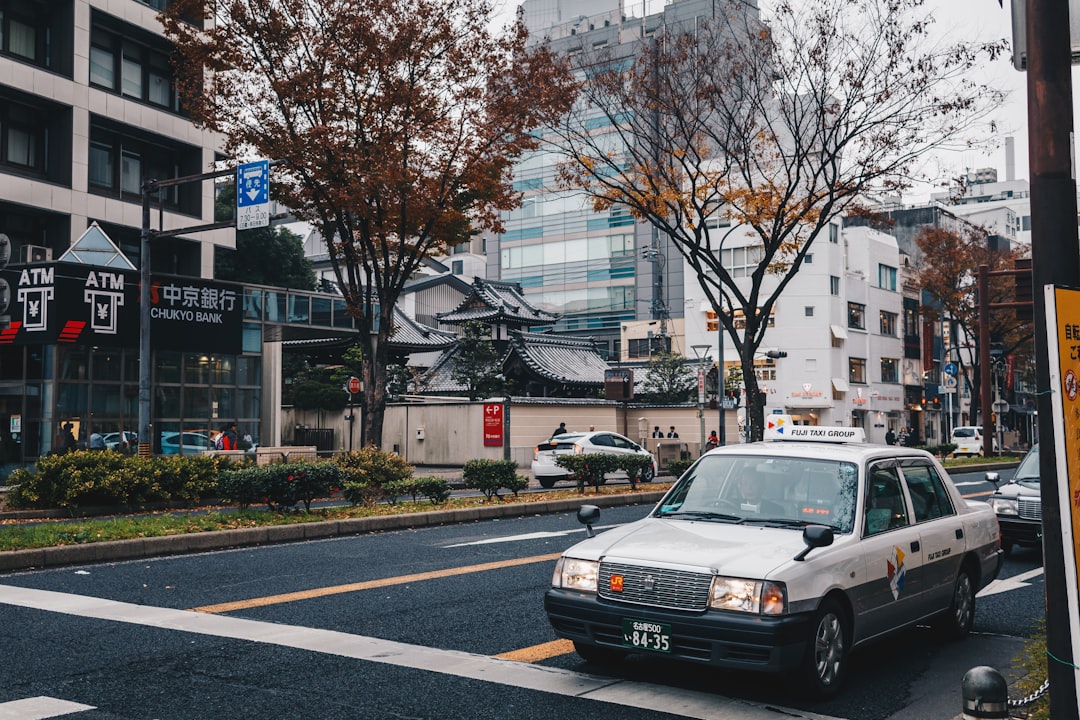
Getting behind the wheel in Japan is a game-changer for daily life, especially if you live outside a major city where train access is limited. But how to get a Japanese driving license as a foreigner is one of the most confusing bureaucratic processes you’ll face as a resident. The good news? It’s absolutely doable — and this guide walks you through every step so you know exactly what to expect before you show up at the licensing center.
Does Your Country Qualify for License Conversion?

Japan has license conversion agreements with certain countries, meaning you can exchange your foreign license for a Japanese one without taking a full driving test. These countries include most EU nations, Australia, New Zealand, Canada, South Korea, and Taiwan, among others. If your home country is on this list, the process is significantly faster.
If you’re from the United States, China, Brazil, or the Philippines, you’re not eligible for a direct conversion. Instead, you’ll need to go through Japan’s full licensing process, which includes a written test and a practical driving exam — sometimes notoriously difficult to pass.
Check the official list on the National Police Agency (NPA) website or ask at your nearest Driver’s License Center (Unten Menkyo Center) to confirm your country’s status before doing anything else.
Step-by-Step: Converting a Foreign License (Eligible Countries)
If your country qualifies, the conversion process takes place at a Driver’s License Center — not a regular ward office. In Tokyo, the main centers are located in Samezu (Shinagawa) and Koto-ku. Expect to spend most of a full day there, so don’t plan anything else.
Here’s what you’ll need to bring:
– Your current foreign driving license (valid)
– Your residence card (Zairyu Card)
– Your passport (showing entry stamps and visa history)
– A certified Japanese translation of your foreign license (from JAF — Japan Automobile Federation — costs around ¥3,000)
– One photo (taken at the center for free, or bring your own: 3cm × 2.4cm)
– Application fee: approximately ¥4,000–¥5,000
You’ll also take a short written knowledge test (30 questions, multiple choice) and a basic eye exam. The written test is available in English and several other languages. Most people pass it without special preparation, but reviewing Japan’s road signs beforehand is a smart move.
The Full Licensing Process (Non-Eligible Countries)
For residents from countries without a conversion agreement — particularly Americans — the road is longer. You’ll need to pass both a written theory test and a practical skills test at the licensing center. The practical test is conducted on a dedicated course, not on public roads, but it’s famously strict about technique.
Many foreigners fail the practical test two, three, or even more times before passing. Common failure points include not checking mirrors visibly enough, taking turns too wide, and failing to slow down precisely at marked points. Consider taking a few lessons at a licensed driving school (Jidosha Gakko) to practice on the exact type of course used in the exam. Schools in major cities often offer English-language instruction.
Each retest costs around ¥2,850, so investing ¥10,000–¥20,000 in a few lesson sessions can actually save you money and months of frustration in the long run.
What Happens After You Pass?
Once you pass all required tests, you’ll receive your Japanese driving license (Unten Menkyo Sho) the same day. It’s a laminated card similar in size to a credit card. Your license will be classified based on vehicle type — most people receive a regular car license (普通自動車).
New license holders in Japan must display beginner’s leaf marks (shoshinsha mark) on their car for one year — even if you’ve been driving for decades in your home country. It’s the law, and skipping it can result in a fine.
Your Japanese license is valid for 3 years if you’re under 70, and must be renewed at a licensing center before it expires. Mark the expiry date in your calendar the day you receive it.
FAQ
Can I drive in Japan with my foreign license?
Yes, but only temporarily. If your country is a signatory to the Geneva Convention on Road Traffic (including the US, UK, and Australia), you can drive with your foreign license plus an official translation for up to one year after your most recent entry into Japan. After that, you need a Japanese license.
How long does the conversion process take?
For eligible countries, most people complete the entire process in one full day at the licensing center, as long as all documents are correct. If paperwork is missing or needs verification, you may need to return another day.
Is the written test hard?
For the conversion test (30 questions), it’s straightforward if you review basic Japanese road rules. For the full licensing process, the theory test is 100 questions and requires more preparation. Free practice apps and study guides are available in English online.
Conclusion
Getting a Japanese driving license as a foreigner takes patience and preparation, but it opens up a whole new level of freedom in Japan — especially if you live in rural areas or plan to explore the countryside. The key is knowing which process applies to you, gathering every document before your appointment, and not underestimating the practical test if you’re from a non-eligible country.
Ready to get started? Book your JAF translation first — it’s the step most people forget and it can take up to a week. Then contact your nearest Driver’s License Center to confirm your country’s requirements and schedule your visit. You’ll be on Japanese roads before you know it.