
Yakushima island is one of those places I genuinely tell every traveler about when they ask me where to go beyond the usual Tokyo-Kyoto-Osaka circuit. This UNESCO World Heritage island, sitting off the southern tip of Kyushu, feels like stepping into a different world entirely — a place where cedar trees older than 2,000 years stand in mist-covered forests, and wild deer walk past you on hiking trails like it’s perfectly normal. If you’re looking for the most otherworldly natural experience Japan has to offer, Yakushima island travel belongs at the top of your list.
Why Yakushima Is Unlike Anywhere Else in Japan

Yakushima was designated a UNESCO World Heritage Site in 1993, largely because of its ancient yakusugi cedar forests. “Yakusugi” (屋久杉) refers specifically to Japanese cedar trees — Cryptomeria japonica — that are over 1,000 years old and grow on the island. The most famous of these is Jomon Sugi, estimated to be between 2,170 and 7,200 years old, making it one of the oldest living trees on Earth.
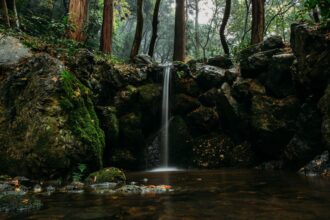
What makes the island’s ecosystem so extraordinary is its rainfall. Some parts of Yakushima receive up to 10,000mm of rain per year — locals joke that it rains “35 days a month.” That moisture feeds an almost surreal landscape of moss-covered rocks, towering cedars, and rivers so clear they look like moving glass.
According to the Japan Tourism Agency, Yakushima sees approximately 300,000 visitors annually, and numbers have grown steadily as international travelers discover it. Go during the right season, and you’ll understand immediately why this island inspired the visual world of Studio Ghibli’s Princess Mononoke.
Getting to Yakushima: Your Access Options
Getting to Yakushima takes some planning, but that’s part of what keeps it from being overrun. From Tokyo, most travelers fly into Kagoshima Airport first, then connect onward. Here’s how your options break down:
By Flight
Japan Air Commuter (JAC) operates direct flights from Kagoshima to Yakushima Airport. The flight takes around 35 minutes and costs roughly ¥8,000–¥18,000 depending on timing and availability. Book early — this route sells out fast during peak season.
By Ferry
Two ferry options run from Kagoshima’s Taniyama Port. The Toppy & Rocket high-speed jetfoil takes approximately 2 hours and costs around ¥9,000–¥10,000 one way. The slower cargo ferry (Ferry Yakushima 2) takes about 4 hours but is cheaper at roughly ¥4,000–¥5,000 and operates overnight — great if you want to maximize your days on the island.
I’ve helped several friends plan Yakushima trips over the years, and I always recommend the morning jetfoil from Kagoshima. You arrive mid-morning with a full day ahead of you, which makes an enormous difference when your hiking routes start early.
What to Do on Yakushima: Hiking and Beyond
The Jomon Sugi Trail
This is the main event for most visitors. The Jomon Sugi Trail is a full-day hike — expect 8 to 10 hours round trip, covering approximately 22km. The trail starts at Arakawa Trailhead, accessible by shuttle bus from Yakusugi Land during the busy spring and summer season. The shuttle is mandatory during peak periods to reduce environmental impact.
Start no later than 5:00 a.m. if you want to reach Jomon Sugi with enough time to return before dark. Bring at least 2 liters of water, solid rain gear, and trekking poles. The trail follows an old railway track for much of its length, which is surprisingly fun to walk.
Shiratani Unsuikyo Ravine
If a full-day hike sounds too intense, Shiratani Unsuikyo Ravine offers shorter loop trails through some of the most photogenic moss forest on the island. A 2–3 hour circuit costs ¥500–¥1,000 entry depending on the route and season. This is the area most directly linked to the aesthetic of Princess Mononoke, and honestly, the atmosphere is everything.
Beyond Hiking
Yakushima also offers sea turtle watching at Inakahama Beach from May through July (loggerhead turtles nest here), snorkeling, and simply driving the coastal road to watch the Pacific crash against volcanic rock. Don’t underestimate how beautiful the island is outside the forest.
When to Visit Yakushima
As of 2026, the most popular periods are April through May (mild weather, blooming rhododendrons on the mountain) and late July through August. June is technically rainy season but experienced hikers often prefer it — the moss is at its most luminously green, and crowds are lighter.
Avoid the island from late August through September if you can: typhoon season can close trails and disrupt ferries with very little warning. I’ve seen travelers stranded for an extra two days because a typhoon shut down Kagoshima port — factor this into your schedule if you’re visiting in autumn.
Winter (December–February) is quiet and cold at elevation, with some trails potentially snowbound, but accommodation prices drop significantly.
What Foreigners Often Get Wrong About Yakushima
The most common mistake I see is treating Yakushima like a day trip. I’ve heard people say “I’ll do Jomon Sugi in a day from Kagoshima” — this is genuinely not possible. The ferry alone takes two hours each way, and the Jomon Sugi hike is 8–10 hours. You need at least 3 nights on the island to do it justice, ideally 4–5 if you want to explore beyond the main trail.
The second mistake is underestimating how wet and cold the mountain forest gets, even in summer. Yakushima’s interior elevation reaches 1,936m at Miyanoura-dake, the highest peak in Kyushu. Travelers show up in shorts and a light jacket and get caught completely unprepared when the temperature drops 15°C from the coast to the summit. Waterproof layers and trail shoes — not sneakers — are non-negotiable.
Finally, many foreigners skip booking accommodation in advance. Yakushima has a limited number of guesthouses and mountain huts (sanso), and they fill up weeks ahead during peak season.
FAQ
How many days do I need on Yakushima?
A minimum of 3 nights gives you enough time for the Jomon Sugi hike plus one other activity. Five days is ideal if you want to hike Miyanoura-dake and explore the coastline.
Do I need a guide for the Jomon Sugi hike?
You don’t legally require one, but first-time visitors often benefit from a local guide, especially since trail signage is limited in English. Guides typically charge ¥15,000–¥25,000 per person for a full-day trek.
Is Yakushima accessible for non-hikers?
Absolutely. The coastal road, Shiratani Unsuikyo’s shorter trails, local seafood restaurants, and the scenic Oko no Taki waterfall — Japan’s tallest at 88 meters — are all accessible without serious hiking experience.
Related Articles
If you’re planning this kind of off-the-beaten-path adventure, you might also want to read about getting around Japan by ferry — island destinations like Yakushima require a different transport mindset than the Shinkansen network.
This also connects closely with planning a Kyushu itinerary, since most travelers combine Yakushima with stops in Kagoshima, Nagasaki, or the Aso volcanic region.
Many readers find our guide to Japan’s national parks equally useful for understanding access rules, entry fees, and seasonal restrictions across different natural sites.
Conclusion
Yakushima is the kind of place that changes how you think about Japan. Most visitors arrive expecting temples and neon lights, and here is this ancient, rain-soaked island where the forest feels genuinely alive. In my experience helping people plan Japan trips, the travelers who make room for Yakushima always say it was the part of their trip they remember most vividly.
Give yourself enough time, pack properly, and don’t try to rush it. The island rewards patience.
Ready to plan your Yakushima trip? Browse j-nav.com for updated ferry schedules, accommodation picks, and a printable Jomon Sugi trail checklist to make sure you’re fully prepared before you go.