

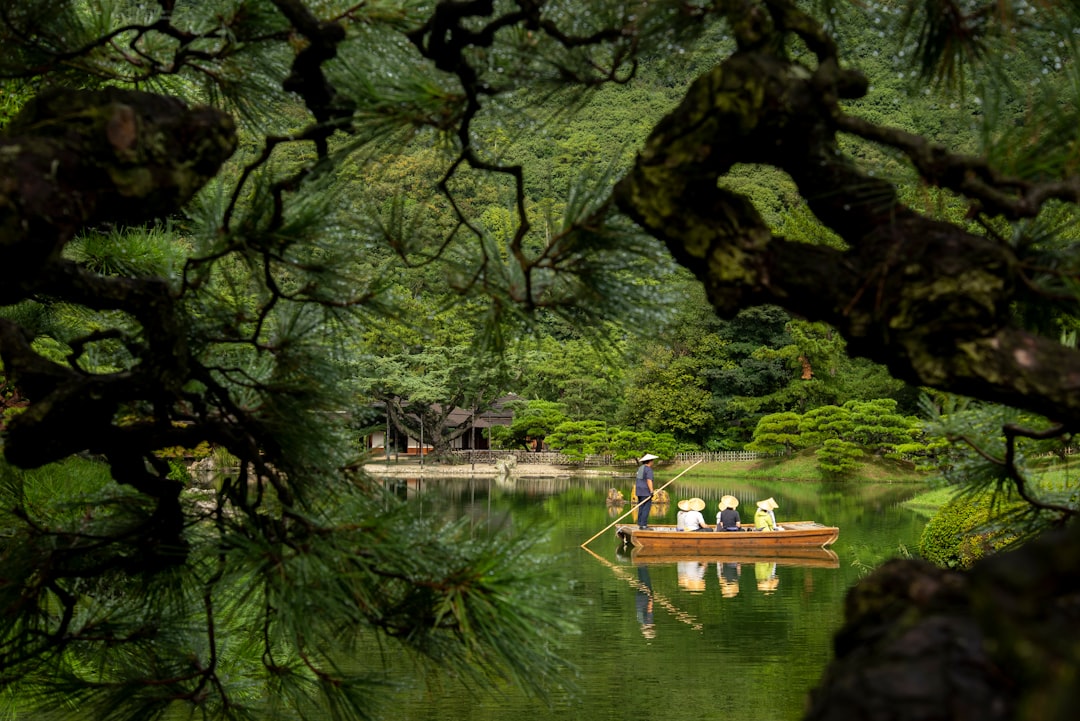
If you’ve ever tried to reach a hidden onsen town or a rural temple that no train line touches, you already know why renting a car in Japan is worth considering. I’ve helped several foreign friends navigate the car rental process here, and every single time, the same questions come up: “Do I need a special license?” “Can I actually read the road signs?” “What happens if I get into an accident?” This guide answers all of it clearly, so you can hit the road with confidence.
What License Do You Need to Drive in Japan?

The first thing to sort out before anything else is your license situation. Japan accepts International Driving Permits (IDPs) issued under the 1949 Geneva Convention — but not the 1968 Vienna Convention. This matters more than most travelers realize.
If your IDP was issued in a country that follows the 1968 convention (including Germany, France, Switzerland, and several others), it is not valid in Japan. According to the Japan Automobile Federation (JAF), drivers from those countries need to go through an additional translation or conversion process before they can legally drive here.
For most travelers from the US, Canada, Australia, and the UK, you simply need a valid IDP issued in your home country before you leave — you cannot get one in Japan. Pair it with your original domestic driver’s license, because rental companies will ask to see both.
One concrete thing I always tell friends: get your IDP at least two weeks before your trip. In the US, AAA issues them on the spot, but in other countries the process can take longer.
How to Book a Car Rental in Japan
Booking ahead is strongly recommended, especially if you’re traveling during Golden Week (late April to early May), Obon (mid-August), or autumn foliage season. Availability at popular pick-up points drops fast during those windows.
The major rental companies operating across Japan include Toyota Rent a Car, Nippon Rent-A-Car, Times Car, and Orix Rent a Car. Most have English-language websites or booking interfaces, and Toyota Rent a Car in particular has strong coverage near major train stations and airports.
Here’s how the booking process typically works:
– Choose your pick-up location — airport locations are convenient but sometimes pricier than city branches
– Select your vehicle class — a compact kei car starts around ¥5,000–¥7,000 per day, while larger sedans run ¥9,000–¥15,000+
– Add ETC card rental — this is the electronic toll collection card used on expressways, and it costs roughly ¥330 per day to rent; you absolutely want this
– Choose insurance coverage — basic CDW (Collision Damage Waiver) is usually included, but supplemental coverage (NOC waiver) is worth adding for peace of mind
I’ve noticed that many first-time renters skip the NOC waiver to save a few hundred yen per day, and then panic if they get even a minor scratch on a narrow country road. The extra ¥1,000–¥1,500 per day is genuinely worth it.
Driving in Japan: What to Expect on the Road
Japan drives on the left side of the road, which takes some adjustment if you’re from a right-side-driving country. Most travelers adapt within an hour or two, but the first few turns at intersections are where mistakes happen — stay alert and go slow.
A few practical things to know:
– Road signs on major highways and national routes are bilingual (Japanese and romaji), so navigation is manageable. On rural back roads, you may encounter Japanese-only signs.
– Speed limits are strictly enforced. The general limit on national highways is 60 km/h, expressways are typically 80–100 km/h, and residential streets are often as low as 30 km/h.
– Parking is a real challenge in cities. Most car parks use automated systems — look for the blue “P” sign — and fees in central Tokyo can reach ¥600–¥1,000 per 30 minutes.
– GPS units come with most rentals. Ask for an English-language device when you book; not all branches stock them, so requesting in advance is important.
For rural driving — say, the Noto Peninsula, Hokkaido’s Shiretoko region, or the backroads of Okinawa — a car genuinely transforms the trip. These are places where public transport either doesn’t reach or runs so infrequently that a car is the only practical option.
What Foreigners Often Get Wrong
Assuming any IDP will work. As I mentioned above, the convention your IDP is issued under matters. I’ve seen travelers show up at a rental counter in Osaka with a perfectly valid-looking IDP only to be turned away because it was issued under the Vienna Convention. Always verify with JAF’s official list before your trip.
Returning the car with low fuel. Japanese rental contracts almost universally require you to return the car with a full tank. If you don’t, the company will charge a refueling fee that’s significantly higher than pump prices. Find a gas station (GSS or ENEOS are everywhere) in the 30 minutes before you return.
Using Google Maps without downloading offline maps. Mobile data can drop in rural mountain areas. Download your driving route for offline use before you leave your accommodation.
Underestimating toll costs. Japan’s expressway system is extensive and expensive. A one-way drive from Tokyo to Osaka on the Tomei Expressway can cost around ¥6,000–¥8,000 in tolls alone. Budget for this separately from your rental fee.
FAQ
Can I rent a car in Japan without an International Driving Permit?
No. Rental companies will not hand over a vehicle without a valid IDP (Geneva Convention 1949) plus your original domestic license. There are no exceptions for tourists.
Is it safe to drive in Japan as a foreigner?
Yes, Japan’s roads are well-maintained and drivers generally follow the rules closely. The main adjustment is driving on the left. Rural driving is actually easier than city driving — just watch for narrow roads in mountain villages.
What happens if I get into an accident?
Contact your rental company immediately using the emergency number provided in your rental documents. Japan requires drivers to report accidents to the police (dial 110) and stay at the scene. Your insurance coverage and the company’s support team will guide the next steps.
Related Articles
If you’re planning a road trip, you’ll also want to understand Japan’s expressway system in detail — our guide to using ETC cards and highway driving in Japan covers tolls, rest stops, and route planning in depth.
For those visiting rural or island destinations, our article on the best off-the-beaten-path destinations reachable only by car is a great next read.
And if you’re still weighing your transportation options, our Japan Rail Pass vs. car rental comparison breaks down costs and flexibility for different trip styles.
Conclusion
As of 2026, renting a car in Japan is one of the best decisions you can make for certain types of trips — especially anything involving rural Japan, coastal drives, or regions where the train simply doesn’t go. The process is manageable for foreigners as long as you handle the IDP before you leave home, book early during peak seasons, and go in with realistic expectations about tolls and parking costs in cities.
My honest recommendation: if your itinerary includes at least two or three days outside a major city, rent a car. The freedom to stop at a roadside ramen shop in the middle of nowhere, or to catch a sunset at a cape no tour bus visits — that’s the version of Japan most travelers never get to see.
Ready to start planning? Head over to the Toyota Rent a Car or Nippon Rent-A-Car websites to check availability for your travel dates, and confirm your IDP eligibility with JAF at jaf.or.jp before you book anything.