
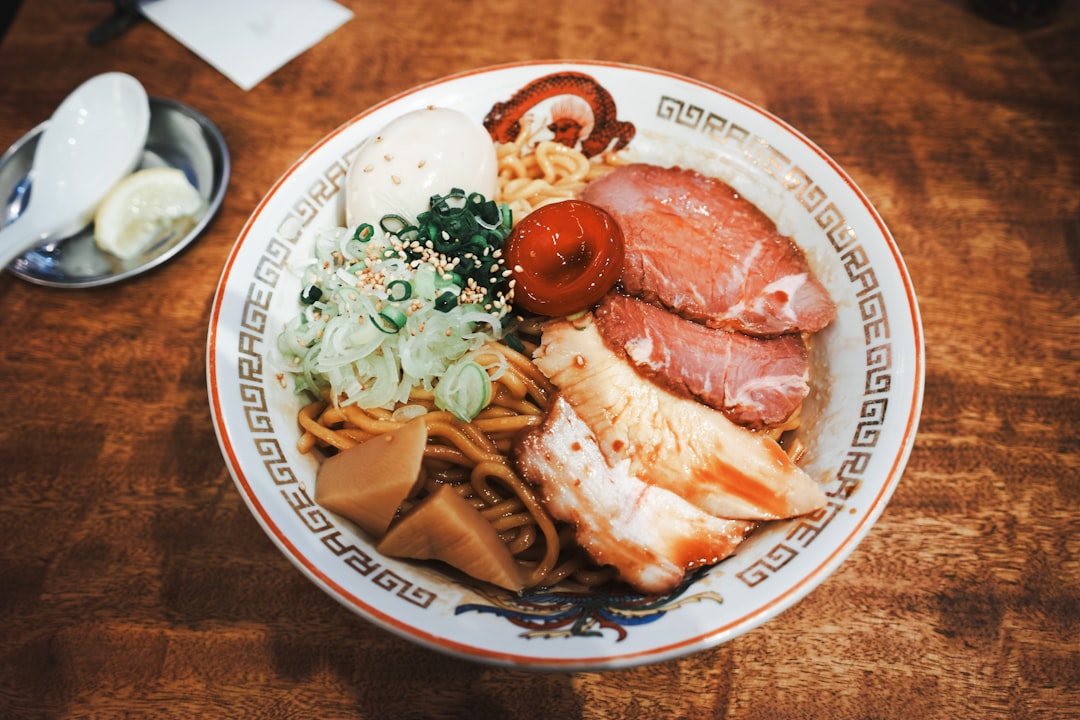
Finding the best ramen restaurants in Tokyo can feel overwhelming when there are over 10,000 ramen shops scattered across the city. As Japan’s ramen capital, Tokyo offers everything from rich tonkotsu broths to delicate shio soups, with prices ranging from ¥800 to ¥2,000 per bowl. This guide covers the must-visit spots that consistently deliver exceptional bowls, whether you’re craving traditional styles or modern innovations.
Tokyo’s ramen scene changes rapidly, with new shops opening weekly and cult favorites sometimes closing without warning. The restaurants featured here have proven their staying power and continue drawing both locals and tourists in 2026. Each spot offers something unique, from Michelin-starred elegance to late-night comfort food after exploring Shibuya.
Top 5 Must-Visit Ramen Shops for First-Time Visitors

Start your Tokyo ramen journey at Nakiryu in Otsuka, a Michelin-starred shop famous for its tantanmen (spicy sesame ramen) that costs just ¥1,000. Arrive before 10:30 AM to avoid the two-hour wait that forms by noon. The shop only seats 10 people, and you’ll order from a vending machine with an English menu available upon request.
Next, head to Fuunji in Shinjuku for their signature tsukemen (dipping noodles) at ¥1,050. Located a 5-minute walk from Shinjuku Station’s East Exit, this shop serves ultra-thick broths that coat the noodles perfectly. They’re open from 11 AM to 3 PM, then 5 PM to 10 PM, but often sell out by 8 PM during dinner service.
Ichiran deserves a visit despite being a chain, especially for solo travelers who appreciate their individual booth seating system. Their Shibuya location stays open 24 hours, making it perfect for jet-lagged visitors. Order their classic tonkotsu for ¥980 and customize everything from noodle firmness to spice level using their English order form.
For seafood lovers, Soranoiro at Tokyo Station offers incredible veggie and vegan options alongside their famous carrot-based broth (¥1,200). Located in Ramen Street in the underground First Avenue Tokyo Station mall, it’s ideal for a quick meal before catching the Shinkansen. They clearly mark vegetarian options and provide English menus.
Finally, brave the lines at Tsuta in Sugamo, the world’s first Michelin-starred ramen shop. Their shoyu soba with truffle oil (¥1,500) requires advance booking through their website. Reservations open at 10 AM two days before your intended visit, and slots typically fill within minutes.
Hidden Gems Away from Tourist Areas
Venture to Konjiki Hototogisu in Shinjuku for their unique clam and sea bream broth (¥1,300) that tastes nothing like traditional ramen. This tiny 9-seat shop in a residential area opens at 11 AM Tuesday through Saturday. Take the Oedo Line to Wakamatsu-Kawada Station and walk 8 minutes north.
Homemade Ramen Muginae in Shirokane serves exceptional miso ramen (¥1,100) in an upscale neighborhood rarely visited by tourists. The chef trained in Hokkaido and uses three types of miso in his secret blend. They’re closed Sundays and only accept cash, with the nearest ATM at the 7-Eleven two blocks away.
Experience old-school Tokyo at Taishoken in Higashi-Ikebukuro, birthplace of tsukemen. Their original style (¥950) hasn’t changed since 1961. The shop looks run-down from outside, but that authenticity is part of its charm. Order extra noodles (¥200) if you’re hungry – portions here are smaller than modern shops.
Practical Tips for Ramen Shop Etiquette
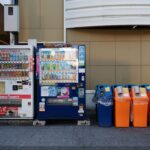
Most ramen shops use ticket vending machines that only accept cash, so carry at least ¥3,000 in bills and coins. Look for the button matching the picture on the wall menu, insert money first, then press your selection. Hand your ticket to staff when you sit down, and they’ll ask about noodle firmness (katame for firm, futsu for regular, yawarakame for soft).
Slurping is not just acceptable but encouraged as it aerates the noodles and shows appreciation. Don’t photograph other customers, and avoid lingering after finishing – most shops expect a 20-minute turnover during busy periods. Leave your bowl on the counter when done and say “gochisousama deshita” (thank you for the meal) as you exit.
Download Google Translate’s offline Japanese package before visiting shops in residential areas where English menus are rare. The camera translation feature works well for vending machine buttons. Many shops now accept IC cards like Suica or Pasmo, but always have cash as backup.
FAQ
What time should I visit popular ramen shops to avoid lines?
Visit right at opening (usually 11 AM) or during off-peak hours between 2-5 PM. Avoid 12-1 PM lunch rushes and 7-9 PM dinner peaks. Rainy weekdays typically have the shortest waits.
Can vegetarians find good ramen in Tokyo?
Yes, T’s Restaurant in Jiyugaoka specializes in vegan ramen (¥1,200), while Afuri and Soranoiro offer clearly marked vegetarian options. Always confirm by saying “watashi wa bejitarian desu” and asking “niku to sakana wa haitte imasuka?” (does this contain meat or fish?).
How much should I budget for trying different ramen shops?
Budget ¥1,000-1,500 per bowl, plus ¥200-400 for extras like eggs or extra chashu pork. Eating ramen for lunch at 5 different shops over a week costs approximately ¥7,000-8,000 total.
Conclusion
Tokyo’s best ramen restaurants in 2026 offer incredible variety, from Michelin-starred refinement to beloved neighborhood joints. Start with the famous shops to understand different styles, then explore hidden gems for unique flavors. Book your Tokyo food tour through Japan Navigator’s partner services, or use our interactive map to create your personalized ramen crawl route through the city’s top neighborhoods.