

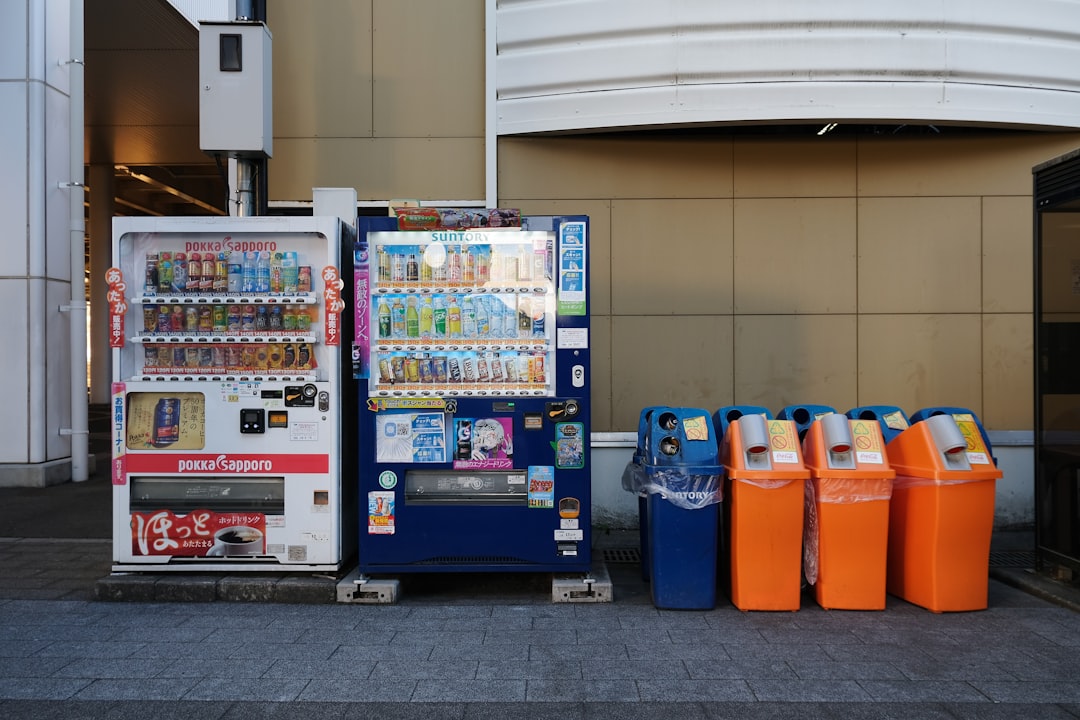
Learning how to sort garbage in Japan as a foreigner can feel overwhelming at first, but it’s an essential skill for daily life. Japanese waste sorting rules are among the strictest in the world, with most cities requiring residents to separate trash into 4-10 different categories. Miss your garbage day or sort incorrectly, and your bags might be left on the street with a rejection sticker – a embarrassing situation many newcomers experience in their first weeks.
The complexity varies dramatically by location. While Tokyo’s Shibuya Ward requires just four basic categories, Kamikatsu Town in Tokushima Prefecture famously sorts waste into 45 categories. Most foreigners living in apartments will deal with 5-7 categories on average, with collection days varying for each type.
This guide breaks down exactly what you need to know, from decoding those confusing garbage calendars to avoiding the common mistakes that get bags rejected. You’ll learn the specific Japanese terms, understand what goes where, and discover the tools that make sorting easier.
Understanding Japan’s Main Garbage Categories

Japanese municipalities typically use five core categories for household waste. Moeru gomi (燃えるゴミ) or burnable trash includes food scraps, paper tissues, and wooden chopsticks. This category usually gets collected twice weekly, often on Tuesdays and Fridays, though schedules vary by neighborhood.
Moenai gomi (燃えないゴミ) or non-burnable trash covers items like broken glass, ceramics, small metal objects, and light bulbs. Most areas collect this once or twice monthly. In Minato Ward, Tokyo, for example, non-burnables go out on the first and third Saturdays.
Shigen gomi (資源ゴミ) or recyclable resources includes PET bottles, cans, glass bottles, and paper. These items require the most preparation – PET bottles need their caps and labels removed, while cans should be rinsed. Many apartment buildings have dedicated bins for these items, allowing disposal any day.
Sodai gomi (粗大ゴミ) refers to oversized items larger than 30cm on any side. This includes furniture, futons, and large appliances. You’ll need to purchase special stickers (usually ¥200-¥2,000) from convenience stores and schedule a pickup by calling your ward office or using their website.
Plastic packaging, marked with the プラ symbol, forms another crucial category. This includes food containers, plastic bags, and product wrapping. Always rinse food containers before disposal – even a small amount of food residue can cause rejection.
Decoding Your Local Garbage Calendar and Rules
Every resident receives a garbage calendar called gomi karendā (ゴミカレンダー) from their ward office or landlord. These colorful charts show which garbage type goes out on which day, using different colors and symbols for each category. Green typically indicates burnable trash, while blue often means recyclables.
Collection times matter as much as days. Most areas require garbage out between 6:00 AM and 8:00 AM on collection day. Putting bags out the night before is generally prohibited and can result in fines of ¥5,000-¥50,000, depending on your municipality. Shinjuku Ward, for instance, strictly enforces morning-only disposal with regular patrols.
Your building’s garbage area provides crucial visual clues. Look for signs showing acceptable items with pictures – these often include English translations in foreigner-heavy areas like Roppongi or Azabu. The net covering garbage areas isn’t decorative; it prevents crows from scattering trash. Always secure it properly after placing your bags.
Language barriers complicate understanding local rules. Download the “5374.jp” app (pronounced “gomi-nashi”) which provides garbage schedules in multiple languages for many Japanese cities. For Tokyo residents, the “Sodai Gomi Juken Center” website offers English support for oversized item disposal.
Common Mistakes Foreigners Make (And How to Avoid Them)
The biggest mistake newcomers make involves convenience store food packaging. That 7-Eleven bento box contains four different garbage types: the plastic container (rinse and put in plastic recycling), wooden chopsticks (burnable), the plastic film (plastic recycling), and any leftover food (burnable). Throwing everything together guarantees rejection.
Improper bag usage causes frequent problems. Many cities require specific semi-transparent bags sold at local supermarkets for ¥30-¥50 per pack. Using opaque bags or bags from other municipalities results in automatic rejection. Setagaya Ward residents, for example, must use designated yellow bags for burnable trash.
Recycling contamination frustrates garbage collectors. One dirty PET bottle or unwashed yogurt container can contaminate an entire recycling batch. Japanese recycling facilities lack the washing equipment common in Western countries, making clean sorting essential. Spend the extra 30 seconds rinsing – your neighbors will notice if you don’t.
Timing violations create neighborhood tension. That Australian couple in Osaka who left garbage out at 11 PM became infamous in their building’s LINE group chat. Early morning disposal might seem inconvenient, but it maintains neighborhood cleanliness and prevents pest problems.
Practical Tools and Resources for Easier Sorting
Several apps simplify garbage sorting for non-Japanese speakers. “Garbage Day” (iOS/Android) sends notifications in English about upcoming collection days. Set multiple alarms for different garbage types to never miss a collection. The app covers over 300 Japanese municipalities with regular updates.
Create a sorting station in your kitchen using 100-yen shop supplies. Buy three small bins (¥110 each at Daiso) labeled for burnables, plastics, and recyclables. This ¥330 investment prevents last-minute sorting panic on garbage mornings. Add picture labels if Japanese text remains challenging.
Join your neighborhood’s Facebook group or building’s LINE chat. Residents often share photos of correctly sorted garbage and remind everyone about collection changes during holidays. The “Tokyo Expat Network” Facebook group maintains an extensive garbage sorting guide with municipality-specific information.
Your ward office offers free resources beyond calendars. Request the English garbage guide at the resident registration counter. Shibuya Ward provides a 20-page illustrated manual explaining every disposal category with photos. Some offices even offer one-on-one consultations for confused foreign residents.
FAQ
What happens if I sort my garbage incorrectly?
Incorrectly sorted garbage gets left behind with a yellow or red rejection sticker explaining the problem in Japanese. You must retrieve the bag, re-sort it properly, and wait for the next appropriate collection day. Repeated violations may result in your landlord receiving complaints or the ward office sending warning letters. In extreme cases, fines range from ¥10,000 to ¥50,000.
Can I throw away garbage at convenience stores?
Convenience store bins are exclusively for items purchased and consumed on-site. Bringing household garbage to konbini is illegal and considered extremely rude. Security cameras monitor these areas, and store staff will confront violators. Tourists can use these bins for snack wrappers, but residents must never dispose of home garbage there.
How do I dispose of electronics and batteries?
Small electronics under 30cm go in non-burnable trash, while larger items require sodai gomi disposal. Batteries need special handling – look for yellow battery recycling boxes at electronics stores like Bic Camera or Yamada Denki. Smartphones and laptops contain personal data, so visit the store where you purchased them for secure disposal services, usually free with proof of purchase.
Conclusion
Mastering garbage sorting in Japan takes practice, but it becomes second nature within a few weeks. Start by focusing on the basic categories your building uses most frequently, then gradually learn the special disposal rules. Remember that proper sorting isn’t just about following rules – it’s about respecting your neighbors and contributing to Japan’s impressive 20% recycling rate.
Take action today: Download a garbage app, buy sorting bins from your nearest 100-yen shop, and photograph your building’s garbage calendar with your phone. When in doubt, ask your Japanese neighbors for help – they’ll appreciate your effort to sort correctly and often become valuable friends in the process.