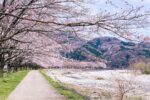

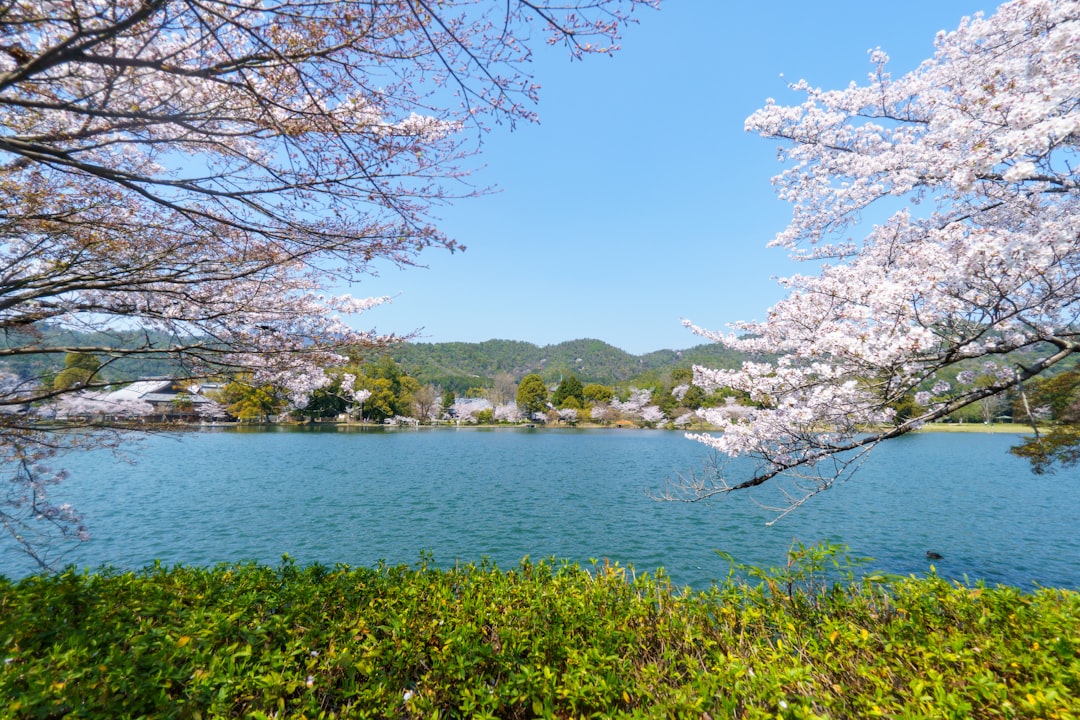
Every spring, Japan transforms into something truly magical. The best cherry blossom spots in Japan draw millions of visitors from around the world, and for good reason — there is simply nothing else like standing beneath a canopy of soft pink petals as they drift gently to the ground. Whether you are planning your first trip or returning for another sakura season, knowing exactly where to go and when to show up makes all the difference between a memorable experience and a frustrating crowd-fest.
Cherry blossoms, known in Japanese as sakura, typically bloom between late March and mid-April depending on the region. In 2026, forecasters expect the Tokyo bloom to peak around March 28–April 5, with Kyoto following a few days later. Timing your visit right is everything, so read on before you book.
Tokyo’s Top Cherry Blossom Parks You Should Not Miss

Shinjuku Gyoen National Garden is arguably the most foreigner-friendly hanami spot in all of Tokyo. With around 1,500 cherry trees across a spacious 58-hectare park, you will find plenty of room to spread out a picnic mat without feeling crushed. Entry costs just ¥500 per adult, and alcohol is not permitted inside — which actually makes it far more relaxed than the rowdier riverside parties nearby.
For a more local atmosphere, head to Yoyogi Park in Harajuku. Here, groups of friends and families set up elaborate picnic spreads under the trees, creating a festive, carnival-like energy. Get there early on a weekend — by 10 a.m., the best spots under the oldest trees are already claimed. Take the Yamanote Line to Harajuku Station and walk five minutes west.
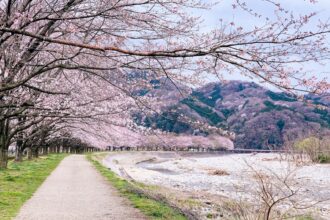
For stunning river views, Meguro River in Nakameguro is one of the most photographed cherry blossom scenes in Japan. Around 800 trees line both sides of the river for approximately 4 kilometers. On clear evenings, paper lanterns illuminate the blossoms beautifully. Expect heavy crowds on weekends — arrive on a weekday evening for a far better experience.
Kyoto’s Most Beautiful Sakura Locations
Kyoto is where cherry blossoms meet centuries of history, and no spot captures that better than Maruyama Park in Higashiyama. The park’s famous weeping cherry tree (shidarezakura) is lit up at night and has become one of the most iconic images of Japanese spring. Entry to the park is free, and it is located just a 10-minute walk from Gion-Shijo Station on the Keihan Line.
Philosopher’s Path (Tetsugaku no Michi) offers a completely different pace. This stone walkway stretches roughly 2 kilometers alongside a canal in northern Higashiyama, lined with around 500 cherry trees. It is named after philosopher Nishida Kitaro, who reportedly walked this route daily. Start at Nanzenji Temple and head north toward Ginkakuji — the walk takes about 30 minutes at a leisurely stroll.
Hidden Gems Beyond the Major Cities
If you want to escape the crowds entirely, Hirosaki Castle Park in Aomori Prefecture is worth the journey north. With over 2,600 cherry trees surrounding a historic castle, it consistently ranks as one of Japan’s finest sakura destinations. The bloom arrives later here, typically in late April to early May, which is perfect if you miss the Tokyo and Kyoto peak. Take the Shinkansen to Shin-Aomori, then a local train to Hirosaki Station.
Yoshino Mountain (Yoshinoyama) in Nara Prefecture is another extraordinary off-the-beaten-path choice. Approximately 30,000 wild cherry trees cover the mountainside in layers of blush pink, an image so striking that the area has been celebrated in Japanese poetry for over 1,000 years. The nearest station is Yoshino on the Kintetsu Yoshino Line, about 90 minutes from Osaka Namba.
FAQ
When is the best time to see cherry blossoms in Japan?
In most of Japan’s major cities, the peak bloom falls between late March and early April. Tokyo typically peaks around late March, Kyoto follows a few days later, and northern regions like Tohoku and Hokkaido bloom in late April or early May. Always check the Japan Meteorological Corporation’s official sakura forecast before booking flights.
How long do cherry blossoms last?
The full bloom period lasts approximately one to two weeks per location. Peak bloom — when trees are at 80–100% flower coverage — lasts just five to seven days under ideal conditions. Rain and strong winds can shorten the season significantly, so if you see a clear forecast window, do not wait.
Are cherry blossom spots free to visit?
Most parks and riverside spots are completely free to enter. A few premium locations like Shinjuku Gyoen (¥500) and some castle grounds charge a small entry fee. These paid spots are often less crowded and extremely well maintained, making them excellent value for the experience.
Start Planning Your Sakura Trip Now
Japan’s cherry blossom season is short, spectacular, and completely worth building a trip around. From the iconic riverbanks of Nakameguro to the mountain forests of Yoshino, the best cherry blossom spots in Japan offer something for every type of traveler — whether you want a lively hanami party or a quiet walk through history.
Start by locking in your travel dates based on the regional bloom forecasts, then book your accommodation early — hotels near popular parks fill up months in advance. Check out our Japan Travel Planning Guide on j-nav.com for everything else you need to make your sakura trip unforgettable.