

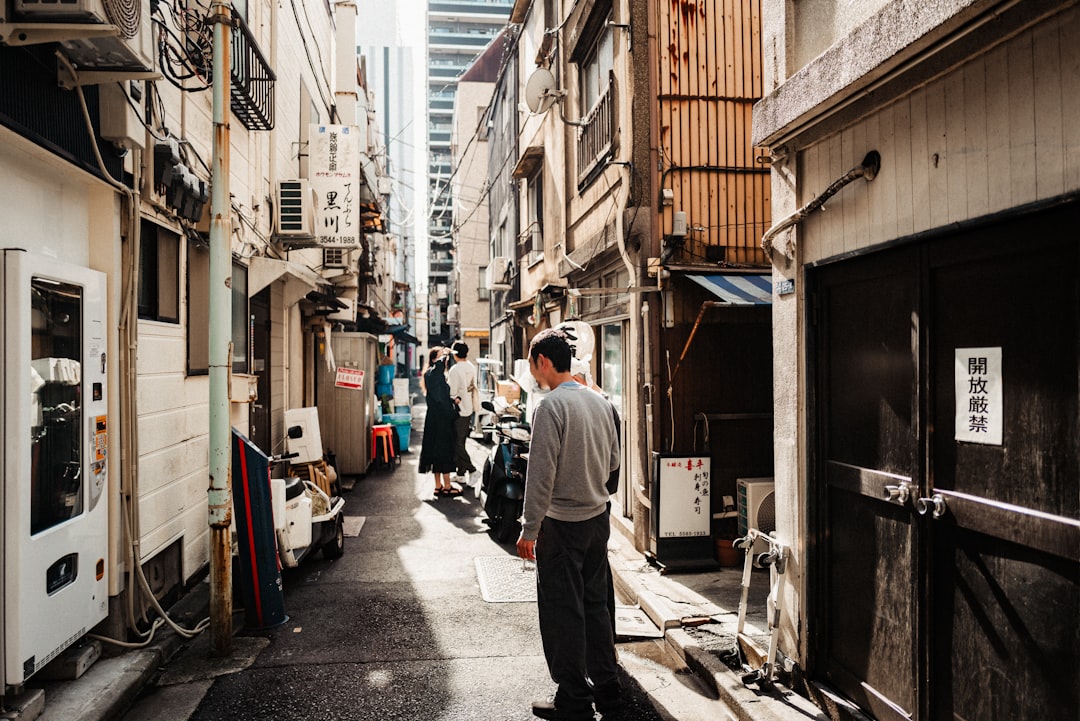
Navigating Japanese work culture as a foreigner can feel like stepping into an entirely different world. The unwritten rules, the hierarchy, the after-work dinners that feel mandatory but are never officially required — it’s a lot to absorb while also trying to do your actual job. This Japanese work culture guide for expats breaks down everything you need to know to not just survive, but genuinely succeed in a Japanese workplace.
Understanding Hierarchy and Respect in the Japanese Workplace

Japanese companies run on a clear seniority structure called tate shakai (vertical society). Your position in the hierarchy determines how you speak, how you bow, and even the order in which you pour drinks at a company dinner. As a new employee — foreign or not — you are expected to defer to those above you, regardless of your age or experience back home.
One of the most important tools here is keigo, or formal Japanese. Even if your Japanese is limited, learning basic polite forms like yoroshiku onegaishimasu (a versatile phrase meaning something like “I’m in your care”) will earn you immediate respect. Your colleagues will genuinely appreciate the effort, even if your pronunciation isn’t perfect.
A real-world example: imagine you’re joining a team meeting at a mid-sized company in Osaka. You’ll notice that junior staff rarely speak before senior staff do. Wait your turn, listen carefully, and avoid cutting anyone off — even if the silence feels uncomfortable to you. That silence often means someone is thinking, not inviting you to jump in.
The Reality of Japanese Office Hours and Work-Life Balance
One of the biggest culture shocks for expats is the attitude toward time at work. Leaving on time — even when your work is done — can be quietly frowned upon in more traditional companies. This practice, known informally as zangyou (overtime), is slowly changing, especially after Japan’s Work Style Reform laws took effect, but it remains a real dynamic in many offices.
At companies like large trading firms or manufacturing corporations, it’s still common to see colleagues at their desks well past 7 or 8 PM. You don’t always have to stay that late, but reading the room matters. If you’re new and trying to build trust, staying an extra 30 minutes occasionally signals commitment — even if you’re reorganizing your desk drawer.
Warning: Don’t loudly announce you’re leaving early for personal reasons. Simply say osaki ni shitsurei shimasu (“excuse me for leaving ahead of you”) and give a polite bow. This phrase alone can prevent awkwardness and shows you understand the etiquette.
Nomikai and Social Obligations Outside the Office
Nomikai (drinking parties) are a cornerstone of Japanese workplace bonding. These after-work gatherings — often held at izakayas like Torikizoku or Watami — are where real relationships are built. Skipping every nomikai as a foreigner sends a message that you’re not interested in being part of the team, even if that’s not your intention.
You don’t need to drink alcohol to participate. Non-alcoholic options are always available, and simply showing up, chatting, and sharing food counts for a lot. The first drink toast (kanpai!) is the moment everyone relaxes, and that’s your window to connect with colleagues on a more human level.
Budget around ¥3,000–¥5,000 per nomikai, as costs are usually split equally (warikan). Some companies subsidize these events, so ask a trusted colleague beforehand so you’re not caught off guard at payment time.
Communication Style: Reading Between the Lines
Japan is a high-context culture, meaning a lot is communicated indirectly. A colleague saying “that might be difficult” (chotto muzukashii desu ne) almost always means “no.” Getting a vague, non-committal response to your proposal doesn’t mean maybe — it usually means they disagree but are being polite about it.
Learn to read body language and tone rather than relying solely on words. If your manager goes quiet and avoids eye contact after you present an idea, that’s meaningful feedback. Follow up privately and ask if there are concerns — this shows emotional intelligence and cultural awareness.
Written communication, especially email, also tends to be more formal and structured than what many Western expats are used to. Always start with a greeting, state your purpose clearly, and close politely. Skipping these steps can come across as abrupt or even rude.
FAQ
Is it normal to work on weekends in Japan?
It depends heavily on the industry and company. Finance, consulting, and gaming companies are notorious for weekend work, while government jobs and some foreign-affiliated companies (gaishikei) tend to respect weekends more. Always ask about actual working hours during your job interview, not just the hours listed in your contract.
How do I handle disagreements with my Japanese manager?
Never challenge your manager publicly or in front of others. Instead, request a private one-on-one conversation and frame your concerns as questions rather than objections. For example, “I want to make sure I understand — could we explore another approach?” works far better than a direct “I disagree.”
Do I need to speak Japanese to succeed in a Japanese company?
Not always, but it helps enormously. Many international companies in Tokyo operate in English, but learning even conversational Japanese (JLPT N3 level or above) opens doors, builds trust, and dramatically improves your daily quality of life inside and outside the office.
Conclusion
Japanese work culture has a learning curve, but it rewards patience and genuine effort. The colleagues who thrive here aren’t necessarily the most talented — they’re the ones who show up with curiosity, respect the unwritten rules, and take time to build real relationships. That’s a game any expat can play.
Ready to go deeper? Explore more guides on working and living in Japan at Japan Navigator, your go-to resource for expat life in Japan. Whether you’re job hunting, settling into your first office, or navigating a visa renewal, we’ve got you covered.