
Japan’s New Year, known as Oshōgatsu (お正月), is unlike any other celebration I’ve ever experienced — and I’ve seen it from both sides, growing up in Tokyo and later helping dozens of expat friends navigate it for the first time. It’s not the fireworks-and-countdown spectacle many travelers expect. It’s quieter, deeper, and honestly more moving than almost any other holiday you’ll encounter in this country. If you’re visiting Japan around late December or early January, this New Year celebrations in Japan guide will make sure you don’t miss a thing — or accidentally stumble into a closed city with an empty stomach.
What Actually Happens During Japanese New Year

The Japanese New Year period runs officially from January 1st through January 3rd, though preparations and events begin in late December. This entire stretch is called Sanganichi (三が日), and it’s treated as sacred family time across the country.
On New Year’s Eve — called Ōmisoka (大晦日) — the atmosphere shifts dramatically. Most of the noise and chaos happens before midnight, not after. Families gather at home to eat toshikoshi soba (年越しそば), long buckwheat noodles that symbolize longevity and a clean break from the past year. I’ve sat at my grandmother’s table in Nerima on December 31st more times than I can count, listening to the NHK year-end music show Kōhaku Uta Gassen in the background while the soba broth simmered — it’s one of those rituals that feels timeless.
At midnight, Buddhist temples across Japan ring their bells exactly 108 times — a practice called joya no kane (除夜の鐘). The number 108 corresponds to the Buddhist concept of earthly desires that cause human suffering. Many temples allow visitors to take a turn pulling the bell rope. Zōjō-ji Temple in Minato, Tokyo, is one of the most popular spots for this and offers a stunning view of Tokyo Tower illuminated behind the bell tower.
Hatsumode: Your First Shrine Visit of the Year
The most important New Year tradition for travelers to experience is Hatsumōde (初詣) — the first shrine or temple visit of the New Year. According to the Japan Tourism Agency, over 80 million people visit shrines and temples during the first three days of January, making it the single largest annual movement of people in Japan.
The most visited shrine in the country is Meiji Jingū in Harajuku, Tokyo, which welcomes approximately 3 million visitors in the first three days alone. If crowds aren’t your thing, consider visiting on January 3rd rather than January 1st — still meaningful, far more manageable.
At your Hatsumōde visit, there are a few things worth doing:
– Draw an omikuji (おみくじ) — a fortune slip that ranges from great blessing (dai-kichi) to great curse (dai-kyō)
– Buy a hamaya (破魔矢) — a decorative arrow believed to ward off evil
– Write a ema (絵馬) — a wooden plaque where you write your wishes for the year
Shrine staff will be present to help, and many larger shrines like Meiji Jingū have bilingual signage for international visitors.
Food, Decorations, and the Atmosphere You’ll Actually Find
One thing I always tell visiting friends: plan your food situation in advance. Most local restaurants, convenience store kitchens, and supermarket delis scale back significantly on January 1st and 2nd. The traditional New Year food is osechi ryōri (おせち料理) — a multi-tiered lacquered box filled with symbolic dishes like black soybeans (kuromame) for health and herring roe (kazunoko) for prosperity. You can order osechi in advance from department stores like Takashimaya or Isetan, though pre-orders typically close in mid-December.
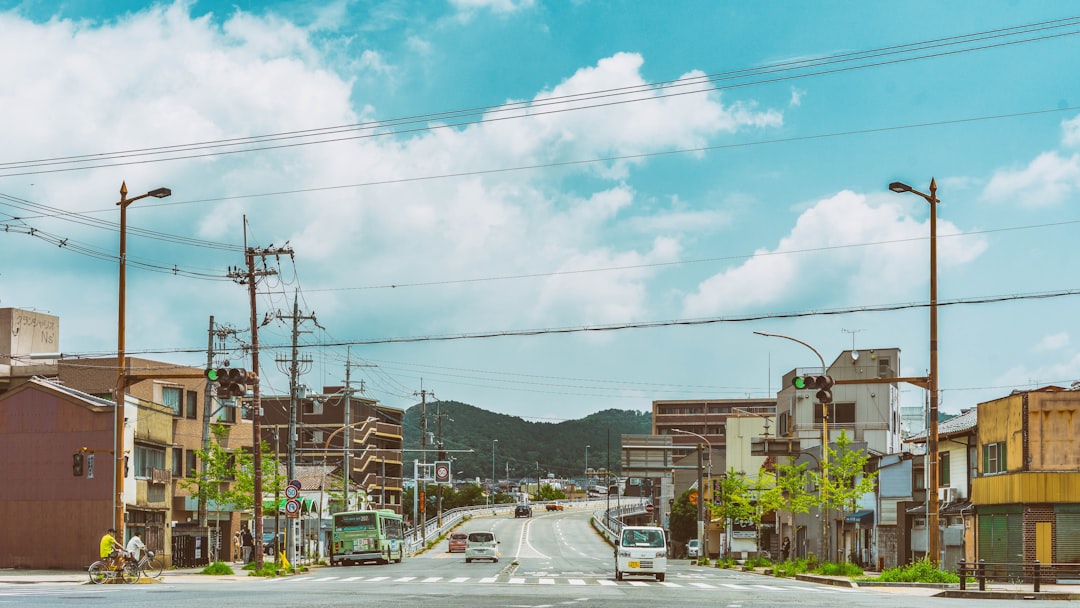
Walking around Tokyo on January 1st is a genuinely surreal experience. Streets that are normally packed — Shibuya Crossing, Shinjuku, Ginza — feel almost abandoned. What surprised me the most the first time I saw it through a foreign friend’s eyes was how peaceful and cinematic it looks. It’s one of the rare moments Tokyo feels like it’s breathing.
Homes and storefronts are decorated with kadomatsu (門松) — arrangements of pine, bamboo, and plum branches placed at entrances to welcome ancestral spirits. You’ll also notice shimenawa (注連縄) rope decorations, often with white paper zigzags called shide, hung across doorways.
What Foreigners Often Get Wrong
The biggest mistake I see travelers make is treating Japanese New Year like a party night. If you show up to Shibuya on December 31st expecting a countdown concert and open bars, you’ll be confused and possibly disappointed. The real energy is at temples and shrines around midnight — not in entertainment districts.
A close second: assuming everything is open. Unlike Western holidays where New Year’s Day means maybe a few shops close, Japan largely shuts down for Sanganichi. Major department stores reopen on January 2nd for fukubukuro (福袋) lucky bag sales — these are grab-bag deals that can include significant discounts — but small local businesses, neighborhood restaurants, and many services won’t return until January 4th or later.
Finally, visitors often underestimate the cold. Tokyo in early January averages around 5–8°C (41–46°F), and queuing at Meiji Jingū for an hour at 7am on New Year’s morning without proper layers is a genuinely unpleasant experience. Dress warmly. Bring hand warmers (kairo), which are available at any convenience store for around ¥100–¥150 each.
FAQ
Is it worth visiting Japan specifically for New Year?
Absolutely, but go in with the right expectations. It’s a cultural immersion experience, not a party holiday. The atmosphere — the bells, the crowds at shrines, the quiet streets — is unlike anything else in Japan’s calendar.
Do I need to make reservations for anything?
If you want to eat traditional osechi or stay at a popular ryokan for New Year’s Eve, book well in advance — ideally by November. Accommodation prices spike significantly during Sanganichi.
Are there English-language resources at shrines during Hatsumōde?
Major shrines like Meiji Jingū and Naritasan Shinshō-ji in Chiba have English signage and multilingual staff during the New Year period. Smaller neighborhood shrines typically do not, but the experience is still welcoming.
Related Articles
If you’re planning a trip around Japanese New Year, you’ll want to read our guide on navigating Japan’s public transportation during peak holiday periods — trains get genuinely chaotic around shrine visit hours. Many travelers also find our article on how to behave at Japanese shrines and temples essential reading before their first Hatsumōde visit. And if the cultural calendar interests you beyond New Year, our overview of Japan’s major festivals by season will help you plan your entire trip around the country’s most meaningful events.
Conclusion
As of 2026, Japanese New Year remains one of the most extraordinary cultural experiences available to international travelers — and one of the most misunderstood. My honest recommendation: spend New Year’s Eve at a temple bell ringing ceremony, wake up early on January 1st, and walk to your nearest shrine before the crowds build. Bring warm clothes, a little cash, and no expectations of nightlife. What you’ll find instead is something quieter and far more lasting.
If you’re planning to visit Japan this winter, start locking in your accommodation now — and check the j-nav.com travel calendar for exact dates and event listings for the 2025–2026 New Year period.