
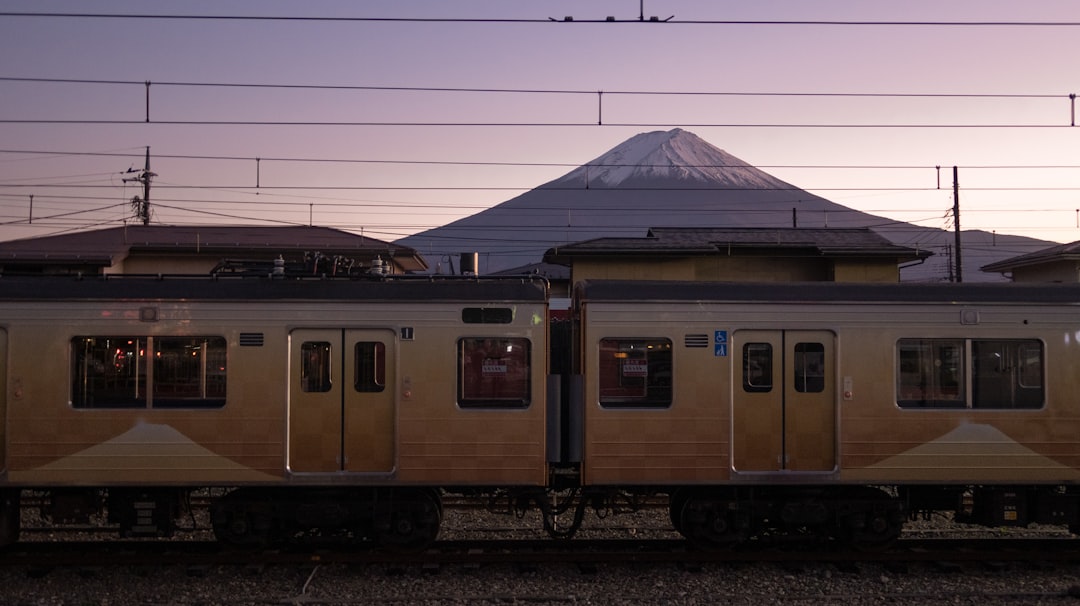
Planning your first trip to Japan is exciting — but figuring out your Japan packing list can quickly become overwhelming. I’ve watched dozens of friends and colleagues arrive at Narita or Haneda lugging overstuffed suitcases full of things they never used, while scrambling to find the one thing they forgot. After years of helping expats and travelers settle into life here, I’ve learned there’s a real art to packing for Japan — and it’s probably different from any trip you’ve taken before.
The Essentials You Absolutely Cannot Forget

Some items aren’t optional. These are the non-negotiables that will affect your trip from day one.
Your passport and visa documents sound obvious, but keep physical copies separate from your originals. Japan’s immigration officers at customs will ask for your arrival address, so write down your hotel name and address in advance — even a screenshot on your phone works.
A pocket Wi-Fi device or SIM card is critical. Japan’s cellular networks don’t always play well with foreign plans, and getting lost without data is genuinely stressful. I recommend booking a pocket Wi-Fi rental before you fly — services like IIJmio or providers at the airport counters in Terminal 2 at Narita offer reliable options starting around ¥500–¥700 per day. Alternatively, a travel eSIM from a provider like Airalo can be activated before you even land.
Cash in Japanese yen is still essential as of 2026, despite the slow growth of card acceptance. Many smaller restaurants, local temples, and vending machine-style eateries are cash-only. Carry at least ¥10,000–¥20,000 on you at all times, especially outside major cities. 7-Eleven ATMs (found inside 7-Eleven convenience stores nationwide) reliably accept foreign cards when many bank ATMs won’t.
Clothing: Pack Smart, Not Heavy
Japan has four distinct seasons, and what you pack depends entirely on when you visit. That said, a few rules apply year-round.
Comfortable, slip-on shoes are essential. You will walk 10–20 kilometers per day in cities like Tokyo and Kyoto — I’ve hit 25,000 steps exploring Asakusa and Yanaka in a single afternoon. More importantly, many temples, traditional ryokan, and even some restaurants require you to remove your shoes at the entrance (called genkan, 玄関). Shoes with complicated laces slow everyone down and quietly frustrate your hosts.
Modest, layered clothing works best. Shoulders and knees don’t need to be covered everywhere, but some shrines and temples — particularly Zen Buddhist temples in Kyoto — do request respectful dress. A light cardigan or scarf takes up almost no space and solves this instantly.
One formal or smart-casual outfit is worth including if you plan to visit high-end restaurants or traditional kaiseki (懐石) dining experiences. Many upscale establishments in Tokyo’s Ginza or Kyoto’s Gion district maintain dress standards, even if they don’t always enforce them strictly.
Practical Gear That Makes a Real Difference
These items aren’t glamorous, but they’ll save you daily frustration.
A small daypack or tote bag is something I tell every first-time visitor to prioritize. Japanese convenience stores (konbini) like Lawson and FamilyMart don’t automatically give plastic bags anymore following Japan’s 2020 plastic bag policy. Having your own bag means you’re ready for spontaneous shopping, picnic snacks from a depachika (デパ地下, department store basement food hall), or carrying a temple souvenir.
A portable umbrella is non-negotiable if you’re visiting between June and September during tsuyu (梅雨), Japan’s rainy season. Sudden downpours are common and intense. The good news: Japan sells incredibly compact, high-quality umbrellas at 100-yen shops like Daiso and Seria, so if you forget one, replacement is cheap.
Universal power adapter: Japan uses Type A plugs (the same flat two-pin style as the US), running at 100V. Most modern devices handle this fine, but double-check your phone charger and camera battery pack. If you’re coming from Europe or Australia, a small adapter is essential — and much cheaper to buy before you leave than at the airport.
According to the Japan Tourism Agency (観光庁), inbound tourism reached record levels in recent years, meaning popular sites are increasingly crowded. A compact portable charger (10,000mAh is the sweet spot) ensures your phone — your map, translator, and camera — never dies mid-day.
What to Leave at Home (Seriously)
This is where most travelers go wrong: overpacking things Japan either sells better or doesn’t need.
Bulky toiletries are almost never worth bringing. Japanese drugstore chains like Matsumoto Kiyoshi and Sundrug stock world-class skincare, shampoo, sunscreen, and cosmetics at reasonable prices. Sunscreen especially — Japanese SPF products are among the best available globally, and a tube of Biore UV Aqua Rich SPF 50+ costs about ¥1,000 locally.
Excessive medications can actually cause problems. Japan has strict import rules on certain substances. Pseudoephedrine-based cold medicines (like standard Sudafed) are prohibited, as are some ADHD medications and codeine products. Check the Ministry of Health, Labour and Welfare (厚生労働省) guidelines before you pack any prescription or over-the-counter medication.
What Foreigners Often Get Wrong
The most common packing mistake I see is bringing a large rolling suitcase for a trip that involves multiple cities. Japan’s trains are efficient but not spacious. Navigating a 26-inch suitcase through Tokyo’s rush-hour subway, up Kyoto station stairs, or along the narrow lanes of Higashiyama is genuinely difficult. Many travelers switch to a medium carry-on (around 55cm) plus a daypack — or use Japan’s excellent takkyubin (宅急便) luggage forwarding service to ship bags between hotels for ¥1,500–¥2,500 per piece. Yamato Transport (ヤマト運輸) is the most trusted provider and has English-language support.
The second mistake: assuming you can’t buy anything in Japan. In reality, Japan is one of the best-stocked countries on earth for practical travel items. Forget something? A 100-yen shop, konbini, or drugstore is almost always within five minutes of wherever you are.
FAQ
Do I need to bring gifts to Japan?
If you’re visiting a Japanese home or business contact, yes — omiyage (お土産), or souvenir gifts, are a genuine cultural practice. Bring something regional from your home country. Food gifts wrapped nicely are always appreciated.
Should I bring yen from home or exchange money in Japan?
Exchange rates at Japanese airport ATMs and 7-Eleven ATMs are generally fair. I’d suggest bringing a small amount (around ¥10,000) just in case of ATM issues on arrival, then withdrawing more locally.
Is a Japan Rail Pass worth packing (or buying) in advance?
The JR Pass must be purchased outside Japan before your trip. As of 2026, prices start at ¥50,000 for a 7-day pass. It’s worth it if you’re traveling between multiple cities like Tokyo, Kyoto, and Hiroshima.
Related Articles
If you found this packing guide useful, these topics on j-nav.com cover the next steps in your trip planning:
– Planning your itinerary? Check out our guide to getting around Japan by train, including how to use IC cards like Suica and Pasmo.
– First time in Tokyo? Our Tokyo neighborhoods guide helps you decide where to stay based on your travel style.
– Many readers also find our Japan etiquette guide for tourists equally important — small cultural details that make a big difference to locals.
Conclusion
The best Japan packing list is a lean one. Bring the essentials, leave room in your bag for things you’ll discover here, and trust that Japan’s infrastructure will cover most of what you forget. In my experience, the travelers who enjoy Japan most are the ones who arrive prepared but flexible — with good shoes, a charged phone, and enough cash to say yes to any ramen shop they walk past.
Start with this list, customize it for your season and travel style, and you’ll be ready.
Ready to plan your trip? Browse our Japan Travel section for destination guides, transport tips, and local recommendations — all written for first-time and returning visitors.