
Living in Japan long-term means accepting one unavoidable truth: earthquakes are part of life here. This Japanese earthquake preparedness guide for expats isn’t meant to scare you — it’s meant to make sure you’re actually ready when the ground starts shaking, because most foreigners I’ve met in Tokyo aren’t.
I’ve been living and working in this city for years, and I still remember the moment a magnitude 5.2 earthquake hit while I was in a client meeting in Shinjuku. Half the room barely flinched. The foreign colleagues? Wide-eyed, looking for the exit. That gap in readiness is exactly what this guide is here to close.
Understanding Japan’s Earthquake Reality

Japan sits on the Pacific Ring of Fire and experiences roughly 1,500 earthquakes per year that are strong enough to be felt, according to the Japan Meteorological Agency (JMA). Most are minor, but the risk of a major event is real and well-documented.
The government’s Earthquake Research Committee has estimated a 70% probability of a magnitude 7 or greater earthquake striking directly beneath the Tokyo metropolitan area (Shuto Chokka Jishin) within the next 30 years. That’s not a fringe prediction — it’s an official figure that shapes city planning, building codes, and emergency policy across the capital.
As of 2026, Japan continues to upgrade its Earthquake Early Warning (EEW) system, which sends alerts to mobile phones seconds before shaking reaches your location. That few-second window is worth more than most people realize. Drop to the floor, get under something sturdy, and protect your head — those seconds save lives.
Building Your Earthquake Emergency Kit (Hijō-bukuro)
Every resident in Japan should have what’s called a hijō-bukuro (非常袋) — an emergency go-bag kept near your front door. I helped a Canadian friend put one together when she first moved to Koenji, and she was genuinely surprised by how specific the recommended contents are.
The Tokyo Metropolitan Government recommends preparing enough supplies for at least three days, ideally up to a week. Here’s what your kit should include:
– Water: 2 liters per person per day (so 6–14 liters minimum for one person)
– Food: Non-perishable items like retort curry pouches, crackers, and canned goods
– First aid kit with any prescription medications and a spare pair of glasses if needed
– Portable radio: Battery-powered or hand-crank; cell networks often get congested after a major quake
– Cash in small bills: ATMs and card readers go down quickly after a large earthquake
– Copies of key documents: Residence card (zairyu card), passport, insurance information, and your emergency contact list
– Warm clothes and gloves, especially if you live in a colder part of Japan
One thing I always remind expat friends: keep a small amount of cash — around ¥10,000 in coins and ¥1,000 bills — inside the bag at all times. In the hours after the 2011 Tōhoku earthquake, convenience stores and vending machines that were still operational were cash-only.
Knowing Your Evacuation Route and Shelter
This is where most expats fall short, and honestly, it’s the most important step. Japan’s local ward offices (kuyakusho) maintain detailed hazard maps (hazard mappu) for every neighborhood, covering earthquake risk, tsunami zones, flood risk, and designated evacuation points.
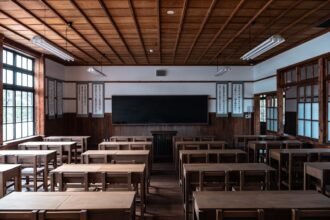
Find your local evacuation shelter (hinanjo) before you need it. In Tokyo, these are typically elementary schools, community centers, or large parks. You can look yours up via your ward’s official website or through the Tokyo Bousai app, which is available in English and is one of the most practical tools any Tokyo resident can have on their phone.
Walk the route at least once in daylight so you know it by feel. Roads after a major earthquake may be blocked by debris, fallen utility poles, or crowds — knowing two or three alternate paths matters.
If you live in a coastal area or near a river, also check your tsunami hinan basho (tsunami evacuation point), which is a separate, higher-ground location distinct from regular earthquake shelters.
Staying Informed: Apps, Alerts, and Community Resources
The Yurekuru Call app and the standard J-Alert system (broadcast through your phone’s emergency alert function) are your two most important real-time tools. Make sure your phone is set to receive emergency alerts — some phones purchased overseas have this disabled by default.
NHK World broadcasts emergency information in English and is one of the most reliable sources during and after a major event. Bookmark nhk.or.jp/nhkworld or download the NHK World app now, before anything happens.
I’d also strongly recommend connecting with your local jichikai (neighborhood association). Many expats skip this, but these groups organize regular earthquake drills and can be invaluable for local information during a disaster. Some wards in Tokyo, like Minato and Shinjuku, offer multilingual disaster information specifically for foreign residents.
What Foreigners Often Get Wrong
Assuming your building is automatically safe. Japan has strict seismic building codes, but buildings constructed before 1981 may predate the current shin-taishin (new earthquake resistance) standards that were introduced after the 1978 Miyagi earthquake. If you’re renting, check with your landlord or real estate agent whether your building meets shin-taishin compliance. This is a question your agent should be able to answer directly.
Waiting to evacuate until told. Many expats assume someone will come knock on their door. In a major disaster, emergency services are overwhelmed. If you feel it’s unsafe to stay, leave. Don’t wait for official confirmation.
Leaving documents behind. Your zairyu card is your legal identity in Japan. Losing it during an evacuation creates serious administrative headaches. Keep a copy both in your hijō-bukuro and in a secure cloud folder.
FAQ
Q: Do I need to speak Japanese to use evacuation shelters?
Many larger shelters in Tokyo and Osaka now have multilingual volunteers or staff, particularly in wards with high foreign resident populations. That said, learning a few key Japanese phrases — like “tasukete kudasai” (please help me) and “eigo ga hanasemasu ka?” (can you speak English?) — will genuinely help.
Q: How often should I update my emergency kit?
Check it every six months. Replace water, rotate food stocks, and update any medications or document copies. A good habit is to check it around the twice-yearly time changes, or set a reminder around March (the anniversary of the 2011 earthquake) and September (Japan’s official Disaster Prevention Day, Bōsai no Hi).
Q: What do I do if a major earthquake hits while I’m at work or commuting?
Stay put until the shaking stops. If you’re on the train, the system will halt automatically. Don’t use elevators. Once safe, check the Tokyo Bousai app or NHK World for guidance on whether to stay in place or evacuate.
Related Articles
If you found this guide useful, there are a few other topics on Japan Navigator that connect closely with disaster preparedness as a foreign resident. You might want to read about registering at your local ward office, since your kuyakusho registration is the foundation of receiving local emergency notifications and multilingual support. Understanding Japan’s national health insurance system is equally important — knowing how to access medical care after an emergency is something many expats overlook until it’s urgent. And if you’re newer to Japan, our guide to reading your neighborhood hazard map walks you through the practical steps of understanding the risks specific to your area.
Conclusion
Japan is one of the safest countries in the world in many respects — and a big part of that is because the systems here actually work, when people use them. What I’ve noticed working with expat communities in Tokyo over the years is that the foreigners who feel most settled here aren’t the ones who never worry about earthquakes. They’re the ones who prepared once, properly, and then got on with their lives.
Set aside two hours this weekend. Build your hijō-bukuro, find your hinanjo, download the Tokyo Bousai app, and walk your evacuation route. That’s it. Two hours, and you’ll be better prepared than the majority of foreign residents in this country.
Japan is an incredible place to live. Prepare for the worst, and then enjoy every single day of it.