
Planning a trip to the Fuji Five Lakes region is one of the best decisions you can make as a visitor to Japan. Nestled at the northern base of Mount Fuji in Yamanashi Prefecture, the Fuji Five Lakes (富士五湖, Fujigoko) offer some of the most iconic views of Fuji-san you’ll find anywhere — along with hiking, onsen, and a pace of life that feels completely different from Tokyo. I’ve made the trip more times than I can count, and every single time the reflection of Mount Fuji on the water stops me in my tracks. This guide covers everything you need to know to make the most of your visit in 2026.
The Five Lakes: Which One Should You Actually Visit?

Not all five lakes are equal, and most first-time visitors make the mistake of skipping past the best ones. Here’s a quick breakdown so you can plan smartly.
Lake Kawaguchiko (河口湖)
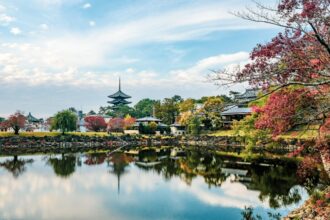
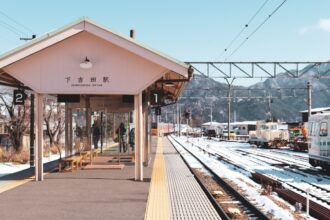
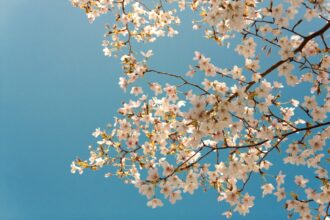
This is the most accessible and most popular of the five, and honestly, it earns that reputation. The northern shore offers the classic postcard-perfect reflection of Mount Fuji, especially in the early morning. The Chureito Pagoda is a 20-minute walk from Shimoyoshida Station and gives you that layered shot of the pagoda, cherry blossoms (in late March to early April), and Fuji in the background that you’ve almost certainly seen on Instagram. Kawaguchiko is also home to a solid range of cafés, restaurants, and hotels, making it the easiest base for a 2-night stay.
Lake Saiko (西湖)
About 15 minutes west of Kawaguchiko, Saiko is quieter and wilder. I’d recommend it if you want to combine lake views with a short hike. The Narusawa Ice Cave (Narusawa Hyoketsu) near the lake is open year-round and costs ¥350 per adult — a genuinely cool stop, literally, on a summer afternoon.
Lake Yamanakako (山中湖)
The largest of the five lakes, Yamanakako sits at 980 meters above sea level. It’s a favorite with cyclists and windsurfers, and in winter, the Diamond Fuji phenomenon — where the sun sets directly behind the summit — draws photographers from across Japan. Peak dates for Diamond Fuji at Yamanakako are around October 20 and February 20 each year.
Lakes Shojiko and Motosuko (精進湖・本栖湖)
These two smaller lakes in the west are the least visited and require more effort to reach. Motosuko is actually the image used on the old ¥1,000 bill — worth seeing if you appreciate that kind of detail. Both are ideal if you’re looking for solitude and silence.
How to Get to the Fuji Five Lakes from Tokyo
The most straightforward option for most travelers is the Fujikyu Highland Bus, which runs directly from Shinjuku Station (Highway Bus Terminal) to Kawaguchiko Station in approximately 2 hours and costs around ¥2,000 one way. You can book tickets in advance through the Fujikyu official website, which I’d strongly recommend during Golden Week (late April to early May) and the autumn foliage season in November, when buses sell out days in advance.
If you prefer the train, take the JR Chuo Line from Shinjuku to Otsuki, then transfer to the Fujikyu Railway to Kawaguchiko. This takes about 2 hours 20 minutes and can be partially covered by a JR Pass for the Chuo Line portion.
Once you’re there, the Fujikyu Bus retro-style sightseeing bus (Kawaguchiko-Saiko Momiji Corridor Line) connects the main attractions around the lake circuit. A 2-day pass costs ¥1,500 and is genuinely worth it.
Best Things to Do at Fuji Five Lakes
Beyond the views, the region packs in a surprising range of activities.
– Fuji-Q Highland: Japan’s most famous theme park for thrill-seekers, located right at Kawaguchiko Station. Known for record-breaking roller coasters including Fujiyama and Do-Dodonpa.
– Oshino Hakkai: Eight crystal-clear natural ponds fed by snowmelt from Mount Fuji, located 10 minutes east of Kawaguchiko. Free to enter the village, with ¥500 admission for the inner pond area.
– Tenku no Yuyado Kozantei Ubuya: If your budget allows, this lakeside ryokan offers open-air baths (rotenburo) facing Mount Fuji. Worth it for a special occasion.
– Hiking: The Panorama Dai viewpoint trail near Lake Saiko is a relatively easy 2-hour return hike with sweeping views. No special gear needed outside of proper footwear.
According to the Yamanashi Prefecture Tourism Organization, the Fuji Five Lakes region receives over 10 million visitors annually, with peak demand concentrated in summer (July–August) and autumn (October–November). Planning around these peaks — or leaning into the shoulder season of late May or early June — can significantly improve your experience.
What Foreigners Often Get Wrong
The most common mistake I see international visitors make is underestimating how spread out the five lakes actually are. Many tourists arrive at Kawaguchiko and assume they can walk between lakes or that one bus route covers everything. In reality, the lakes stretch across roughly 20 kilometers from east to west. Without a rental car or careful bus planning, you can easily waste half a day getting between lakes.
A related error: not checking the weather before committing to a full-day itinerary. Mount Fuji is frequently hidden behind clouds, especially in summer. I’ve had friends make a dedicated 3-hour journey from Tokyo only to see a wall of grey cloud. Checking the Fujisan Visitor Center’s live camera (available at fujisan-visitor-center.jp) the night before will save you real disappointment.
Finally, don’t assume all restaurants and convenience stores are open late. Outside of the Kawaguchiko main strip, the area gets quiet after 9 PM. Stock up on snacks before heading to more remote lakeside spots.
FAQ
Q: What’s the best time of year to visit the Fuji Five Lakes?
Late March to early April (cherry blossoms) and mid-October to mid-November (autumn foliage) offer the most dramatic scenery. Late May and early June are great for clear skies with smaller crowds.
Q: Can I see Mount Fuji from the lakes even if I’m not climbing it?
Absolutely. Most visitors come specifically for the views from the lakesides, not the climb. You don’t need to hike anything to see Fuji-san at its best from Kawaguchiko or Yamanakako.
Q: Do I need to book accommodation in advance?
Yes, especially for weekends and national holidays. Riverside and lakeside ryokan at Kawaguchiko book up weeks ahead during peak season. I’d recommend securing accommodation at least 4–6 weeks out if visiting in October or during Golden Week.
Related Articles
If you’re building out your wider Japan itinerary, these topics connect closely with a Fuji Five Lakes trip.
– Climbing Mount Fuji: If you’re feeling ambitious, check out our complete guide to climbing Fuji-san, including trail conditions and the official climbing season (early July to early September).
– Day trips from Tokyo: The Fuji Five Lakes fit naturally into a broader look at the best day trips and overnight escapes from Tokyo under 3 hours.
– Japan’s best ryokan for first-timers: Since many visitors pair the lakes with their first ryokan stay, our guide to what to expect at a traditional Japanese inn will help you feel confident before you arrive.
Conclusion
The Fuji Five Lakes region is one of those places that lives up to its reputation — and then some. As of 2026, it remains one of the most rewarding side trips from Tokyo for international travelers, whether you’re spending one night or three. My honest recommendation: base yourself in Kawaguchiko, take at least one early morning walk along the northern shore before the tour groups arrive, and build the rest of your itinerary loosely from there.
Start by checking the live weather forecast for the Kawaguchiko area and booking your bus tickets from Shinjuku at least a week in advance. That one step will make the rest of your trip fall into place.