

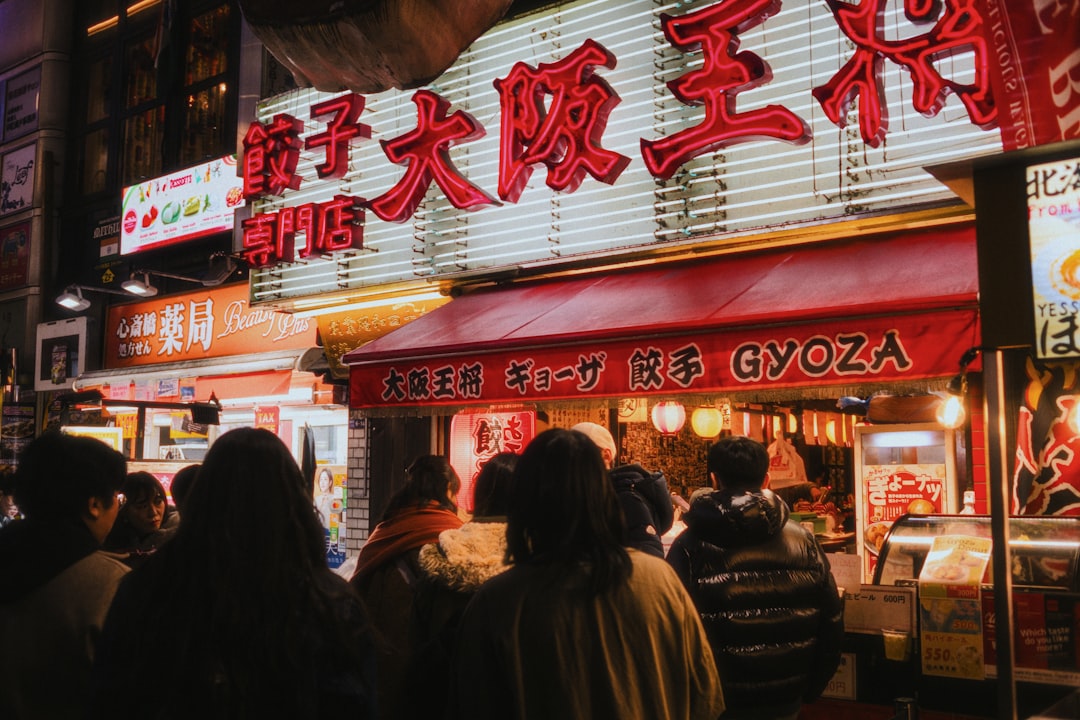
Finding vegetarian food options in Japan can feel overwhelming at first. Japanese cuisine is deeply rooted in dashi (fish-based broth), and even dishes that look plant-based often contain hidden meat or seafood ingredients. But don’t panic — Japan has far more vegetarian-friendly choices than most travelers expect, once you know exactly where to look and what to ask for.
Why Vegetarian Eating in Japan Is Trickier Than You Think

The biggest challenge for vegetarian travelers in Japan isn’t the obvious meat dishes — it’s the invisible ones. A bowl of miso soup at a traditional restaurant almost always contains katsuobushi dashi (bonito fish stock). Ramen broth, seasoning sauces, and even some vegetable side dishes are regularly prepared with animal-based stocks.
This isn’t carelessness on the restaurant’s part. In traditional Japanese cooking, dashi is simply considered a base seasoning, not a “meat ingredient.” Many Japanese chefs genuinely don’t categorize fish stock as non-vegetarian, so simply asking “is this vegetarian?” can lead to a confident “yes” — even when it technically isn’t.
Your safest move is to be specific. Instead of asking if something is vegetarian, ask: “Does this contain meat, fish, or seafood broth?” In Japanese, you can say: “Niku, sakana, dashi wa haitte imasu ka?” Having this written on a small card to show staff will save you a lot of confusion.
Best Vegetarian-Friendly Foods and Restaurant Types
The good news is that several Japanese food categories are either naturally vegetarian or easy to customize. Shojin ryori is your gold standard — it’s the traditional Buddhist temple cuisine that is entirely plant-based. Restaurants like Izusen in Kyoto’s Daitoku-ji temple complex serve a full multi-course shojin ryori meal for around ¥3,000–¥5,000, and the experience is as beautiful as it is delicious.
For everyday eating, here are your most reliable options:
– Tofu-focused restaurants — Kyoto and Tokyo both have specialist tofu restaurants where most dishes are plant-based
– Conveyor belt sushi (kaiten-zushi) — many chains like Sushiro and Kura Sushi offer cucumber rolls, pickled plum rolls, and avocado options clearly labeled
– Convenience stores (konbini) — 7-Eleven, FamilyMart, and Lawson stock onigiri (rice balls) with pickled plum or kelp filling, plain salads, and steamed corn
– Indian and ethnic restaurants — major cities like Tokyo, Osaka, and Kyoto have a strong Indian restaurant scene with clearly marked vegetarian menus
– Ramen shops with vegan broth — T’s TanTan inside Tokyo Station serves 100% vegan ramen from around ¥1,000 and is a go-to spot for plant-based travelers
In Tokyo’s Shimokitazawa neighborhood, you’ll find a concentration of cafes and small restaurants catering specifically to vegetarian and vegan diners. It’s worth building a half-day around the area just to explore your options.
How to Navigate Menus and Communicate Your Needs
Learning a few key Japanese phrases dramatically improves your dining experience. Print or save these on your phone before you travel:
– “Bejitarian desu” — I am vegetarian
– “Niku to sakana wa taberaremasen” — I cannot eat meat or fish
– “Dashi wa daijoubu desu ka?” — Is the broth okay? (use after explaining you don’t eat fish)
Apps like HappyCow are invaluable for finding vegetarian and vegan restaurants near you anywhere in Japan. Simply set your location and filter by “vegan” or “vegetarian-friendly.” The app lists hundreds of options across Tokyo, Kyoto, Osaka, and even smaller cities like Nara and Hiroshima.
Google Maps in Japan is also highly reliable — search “vegetarian restaurant near me” or “vegan food [city name]” and you’ll get accurate, reviewed results with photos and menus.
Common Mistakes Vegetarian Travelers Make in Japan
One of the most common mistakes is assuming temple areas automatically mean vegetarian food nearby. While shojin ryori is served at some temples, the restaurants surrounding popular sites like Senso-ji in Tokyo or Fushimi Inari in Kyoto often serve standard Japanese food with no special vegetarian options.
Another mistake is relying on the word “yasai” (vegetable) to mean the dish is vegetarian. A “yasai ramen” at most shops still uses a pork or chicken broth base — only the toppings are vegetables. Always ask about the broth specifically.
Finally, don’t forget to check sauces. Worcestershire sauce, oyster sauce, and bonito flakes are commonly used as finishing touches on dishes that otherwise look fully plant-based.
FAQ
Is it hard to be vegetarian in Japan as a tourist?
It requires more preparation than in many Western countries, but it’s very manageable. Stick to cities, use HappyCow, and learn the key phrases above, and you’ll eat well every day.
Are there vegetarian options at Japanese convenience stores?
Yes. Pickled plum (umeboshi) and kelp (konbu) onigiri, plain salads, edamame, and steamed vegetables are reliable convenience store staples available at 7-Eleven, Lawson, and FamilyMart across Japan.
What is the best city in Japan for vegetarian food?
Kyoto is widely considered the most vegetarian-friendly city in Japan, thanks to its strong Buddhist food culture, abundance of tofu restaurants, and several dedicated shojin ryori dining experiences.
Conclusion
Eating vegetarian in Japan takes a little planning, but the rewards are genuinely worth it. From a serene shojin ryori lunch at a Kyoto temple to a steaming bowl of vegan ramen at Tokyo Station, the options are there — you just need to know where to find them.
Before your trip, download HappyCow, save your key Japanese phrases, and bookmark a few vegetarian-friendly restaurants in each city on your itinerary. You’ll spend less time stressing about food and more time enjoying one of the world’s most extraordinary culinary cultures. Start planning your vegetarian Japan trip today — your taste buds will thank you.