
Understanding Japan tourist etiquette dos and don’ts can make the difference between a trip that feels awkward and one that feels genuinely rewarding. Japan has a rich culture built on respect, harmony, and unspoken social rules — and as a visitor, you don’t need to be perfect, but a little effort goes a long way. Locals genuinely appreciate foreigners who try, and knowing the basics will help you avoid embarrassing moments and connect more meaningfully with the country you’re visiting.
Etiquette at Temples, Shrines, and Sacred Sites

Japan’s temples and shrines are active places of worship, not just photo backdrops. When you arrive at a Shinto shrine, you’ll find a stone water basin called a temizuya near the entrance — use it to rinse both hands before approaching the main hall. It’s a small gesture, but it signals respect for the sacred space.
At Buddhist temples like Senso-ji in Asakusa, keep your voice low and avoid pointing your camera directly at people who are praying. Walking through the middle of a shrine’s central path (the sando) is traditionally reserved for the gods — step to the side as you walk toward the main hall.
Common mistake: Many tourists climb on stone lanterns or step over the sacred ropes for a better photo angle. This is considered deeply disrespectful and can attract sharp looks from locals or even staff.
Dining Etiquette: What to Do at Japanese Restaurants
Eating in Japan is one of the best parts of any trip, but there are a few rules worth knowing before you sit down. First, never stick your chopsticks upright in a bowl of rice — this mirrors a funeral ritual and is considered very bad manners. Instead, rest them on the chopstick holder provided, or lay them across the bowl.
When dining at a ramen shop like Ichiran in Shinjuku, slurping your noodles is completely acceptable — it actually signals that you’re enjoying the food. However, talking loudly, putting your feet on the seat, or handing food chopstick-to-chopstick (another funeral association) are all things to avoid.
If someone pours you a drink, don’t pour your own — wait for others to fill your glass and return the favor. This small back-and-forth is a core part of Japanese dining culture and a great way to connect with locals at an izakaya.
Public Transport and Street Etiquette
Japan’s trains and subways are famously quiet and orderly, and tourists who disrupt that atmosphere stand out immediately. Keep your phone on silent, avoid talking on calls, and never eat or drink on local trains (long-distance shinkansen are the exception). On the Yamanote Line in Tokyo during rush hour, even whispering conversations are kept brief.
Always queue in the marked lines on the platform and let passengers exit before you board. Backpacks should be held in front of you or stored in the overhead rack so you don’t take up extra space or bump into other passengers.
On the street: smoking is banned in most public outdoor areas in Tokyo and Osaka unless you’re in a designated smoking zone. Walking while eating is generally frowned upon, though it’s more accepted near street food stalls at festivals or in places like Nakamise Street in Asakusa.
Onsen and Public Bath Etiquette
Visiting an onsen (hot spring) is one of Japan’s most unique experiences, but it comes with some of the strictest etiquette rules. Before entering the communal bath, you must shower thoroughly at one of the individual wash stations provided. Entering the water without washing first is the single biggest faux pas you can make at an onsen.
Tattoos are still banned at most traditional onsen facilities across Japan in 2026. If you have visible tattoos, look for onsen that explicitly welcome tattooed guests, or book a kashikiri (private rental bath) — many ryokan in Hakone and Nikko offer this option for around ¥1,500–¥3,000 per 45-minute session.
Small towels can be used for modesty while walking around, but they must not touch the water in the bath. Keep them folded on your head or set aside on the edge.
FAQ
Is it rude to tip in Japan?
Yes. Tipping is not part of Japanese culture and can actually cause confusion or embarrassment. Staff are paid fairly and take pride in providing excellent service without expecting anything extra. Simply saying arigatou gozaimashita (thank you very much) when leaving is the right move.
Can I take photos anywhere in Japan?
Generally yes in public spaces, but always check for posted signs at temples, museums, and restaurants. Many ramen shops and sushi counters prohibit photography. In residential neighborhoods like Gion in Kyoto, photographing geisha or locals without permission is increasingly unwelcome — the area has introduced etiquette guidelines to protect residents.
Do I need to remove my shoes everywhere?
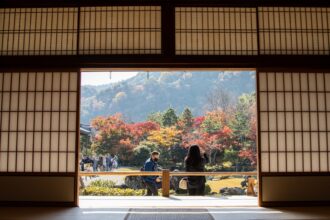
Not everywhere, but in many traditional settings — ryokan, some restaurants, most homes, and certain temples — yes. Look for a raised floor area called a genkan at the entrance. If you see shoes neatly lined up, take yours off too.
Conclusion
Japan rewards respectful visitors with incredible warmth and hospitality. You don’t need to memorize every rule before your trip — start with the basics covered here and stay observant when you arrive. Watch what locals do and follow their lead.
Ready to make the most of your trip? Explore more practical Japan travel guides on Japan Navigator and arrive fully prepared for one of the world’s most unforgettable destinations.