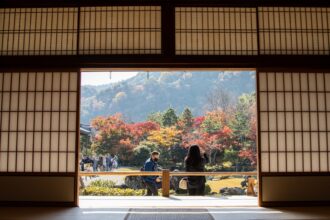

If you only have one day trip in your Tokyo itinerary, make it Kamakura. I’ve taken this trip more times than I can count — with visiting friends, solo on quiet weekday mornings, and once memorably on a rainy November afternoon when the maple leaves were turning and the crowds had thinned to almost nothing. Every single time, it delivers. Ancient temples, a giant Buddha, ocean views, and excellent street food, all within an hour of Shinjuku. For international travelers trying to pack the most into a Japan visit, a Kamakura day trip from Tokyo is one of the easiest wins you can plan.
Here’s everything you need to know to do it right.
Getting to Kamakura from Tokyo

The most straightforward route is the JR Yokosuka Line, which runs directly from Tokyo Station or Shinjuku (transfer at Ofuna) to Kamakura Station. The journey from Tokyo Station takes approximately 56 minutes and costs around ¥940 one way. If you have a JR Pass, this line is fully covered — one of the few day trips from Tokyo where your pass genuinely saves money.
There’s also the Shonan-Shinjuku Line, which connects directly from Shinjuku, Shibuya, or Ikebukuro without requiring a transfer. Travel time from Shinjuku is about 60 minutes. I usually take this one because living in west Tokyo, it’s just easier — no lugging a bag through the underground maze at Tokyo Station.
Aim to arrive before 9:30 AM. Kamakura is one of the most visited destinations in the Kanagawa Prefecture, and popular spots like Kotoku-in (home of the Great Buddha) can get noticeably crowded by mid-morning on weekends, especially during cherry blossom season in late March and Golden Week in early May.
The Must-See Spots (and How to Order Them)
Kotoku-in and the Great Buddha
Start your morning at Kotoku-in Temple, home to the Kotoku-in Daibutsu — a 13.35-meter bronze statue of Amitabha Buddha that has stood outdoors since the 1330s. Entry costs ¥300 for adults, and for an extra ¥50 you can go inside the statue itself. It’s a tight, slightly surreal experience, and I always recommend it just for the story. The temple is about a 10-minute bus ride or 25-minute walk from Kamakura Station.
Hase-dera Temple
A short walk from Kotoku-in, Hase-dera is one of the most photogenic spots in Kamakura. The hillside garden overlooks Sagami Bay, and on a clear day you can see the Pacific stretching out to the horizon. The wooden statue of Juichimen Kannon (an eleven-faced Kannon) inside the main hall stands over 9 meters tall and is considered one of the largest wooden sculptures in Japan. Admission is ¥400.
The Tsurugaoka Hachimangu Shrine and Komachi-dori
After Hase-dera, make your way back toward central Kamakura and walk up Komachi-dori — the main shopping street lined with matcha soft cream stands, senbei shops, and craft stores. This leads directly to Tsurugaoka Hachimangu, Kamakura’s most important Shinto shrine, founded in 1063. Entry to the grounds is free. The approach along the avenue of cherry trees (Dan Kazura) is especially memorable in spring.
The Enoshima Option
If you have energy left, add Enoshima Island to your day. Take the Enoden Line (Enoshima Electric Railway) from Kamakura Station to Enoshima Station — a 25-minute ride that hugs the coast and passes through quiet beach towns. Enoshima has shrines, sea caves, and fresh seafood. I’ll warn you: this extension makes for a long day, so save it for travelers with serious stamina or those visiting specifically in summer.
Practical Tips for a Smooth Day Trip
– IC card or cash: The Enoden Line does not accept the JR Pass. Load your Suica or Pasmo card or buy a separate ticket (¥260 from Kamakura to Enoshima).
– Lunch on Komachi-dori: The street has good options for shirasu (whitebait) rice bowls, a Kamakura specialty. Expect to pay around ¥1,000–¥1,500 for a set meal.
– Wear comfortable shoes: The hiking trail between temples (known as the Tenen Hiking Course) is popular but involves uneven terrain.
– Temple hours: Most sites open at 8:00 AM and close between 4:30 and 5:30 PM depending on the season. Plan your last entry accordingly.
According to the Japan Tourism Agency, Kamakura consistently ranks among the top five most visited day-trip destinations from Tokyo for international tourists, with over 20 million annual visitors to the Kamakura-Enoshima area in recent years.
What Foreigners Often Get Wrong
The most common mistake I see is treating Kamakura like a single attraction rather than a full area to explore. Visitors take a photo of the Great Buddha and leave within two hours, not realizing that Hase-dera, Tsurugaoka Hachimangu, and the coastal walk collectively make up the real experience.
The second mistake is visiting on a Saturday in late March or early May without arriving early. I’ve watched groups of tourists give up on Kotoku-in entirely because the line to enter looked too long — and it was only 11:00 AM. Go on a weekday if you can, or arrive right when the gates open.
Finally, many people skip the Enoden Line coastal section between Kamakura and Hase stations entirely. That 4-minute ride past surfboards, old wooden houses, and glimpses of the ocean is one of the most quietly charming train journeys in Japan. As of 2026, a one-day Enoden pass costs ¥800 and is worth it if you’re moving between multiple stops.
FAQ
How many hours do you need for a Kamakura day trip?
A full day — roughly 7 to 8 hours on the ground — lets you cover the Great Buddha, Hase-dera, Tsurugaoka Hachimangu, and Komachi-dori comfortably. Add two more hours if you extend to Enoshima.
Is the JR Pass valid for the Kamakura day trip?
Yes, for the JR Yokosuka and Shonan-Shinjuku Lines from Tokyo to Kamakura Station. It does not cover the Enoden Line or local buses.
What’s the best time of year to visit Kamakura?
Autumn (late October to mid-November) and spring (late March to early April) are the most scenic. Summer is beautiful for the Enoshima coast but hot and humid. Weekday visits in any season are significantly less crowded.
Related Articles
If you’re building your Tokyo itinerary around day trips, you might also want to read about visiting Nikko from Tokyo — another JR-accessible destination with dramatic mountain shrines and waterfalls. Many travelers also find our guide to using the Suica card essential before heading out on any day trip. And if Kamakura’s temple culture has sparked your interest, our article on Kyoto vs. Tokyo: which to visit first explores how to split your time across Japan’s most iconic destinations.
Conclusion
Kamakura is one of those places that rewards slow, curious travel over rushing between checkboxes. My personal recommendation: skip the weekend crowds, take the early Shonan-Shinjuku Line from wherever you’re staying in Tokyo, spend the morning at Kotoku-in and Hase-dera before the tour groups arrive, then walk Komachi-dori at your own pace in the afternoon. That combination, on a calm weekday, is one of the best single days you can spend in Japan.
Ready to plan your trip? Bookmark this guide, check the temple opening hours on the official Kamakura City Tourism website before you go, and build your route around the spots that matter most to you. Kamakura rewards the people who show up prepared — and you’re already ahead.