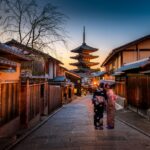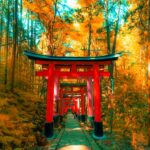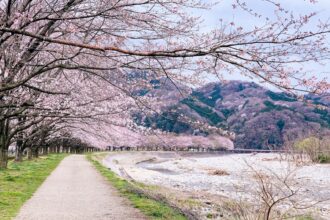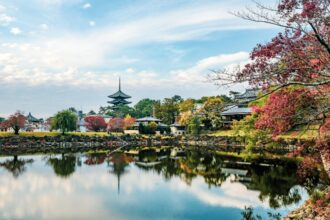

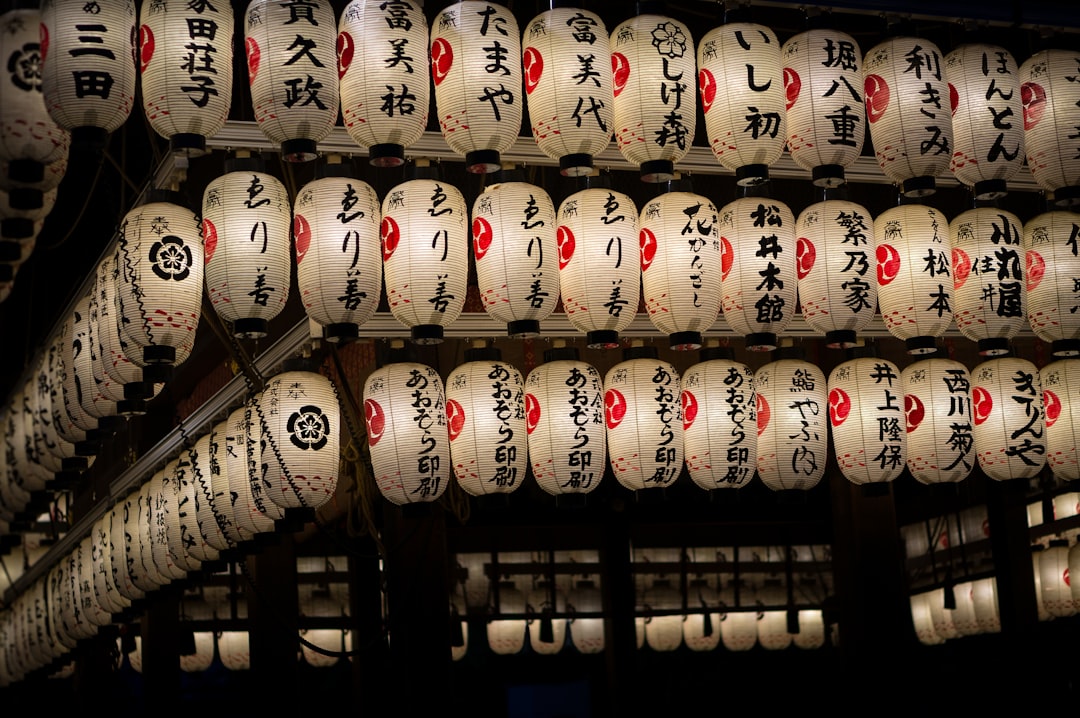
Japan is unlike anywhere else on Earth, and that’s not just a travel cliché. From centuries-old rituals still practiced today to futuristic technology that feels straight out of a sci-fi film, the unique experiences in Japan you can’t find elsewhere are genuinely in a category of their own. Whether you’re visiting for two weeks or two months, Japan has a way of surprising even the most seasoned travelers at every turn.
Sleep in a Buddhist Temple (Shukubo)

Forget standard hotels — spending a night inside a working Buddhist temple is one of the most unforgettable things you can do in Japan. Called shukubo, temple lodging lets you sleep on tatami mats, eat traditional vegetarian cuisine (shojin ryori), and wake up before sunrise to join the monks for morning prayers.
One of the best places to try this is Koyasan (Mount Koya) in Wakayama Prefecture, about two hours from Osaka by train and cable car. More than 50 temples here offer shukubo, with prices typically ranging from ¥12,000 to ¥20,000 per person including dinner and breakfast. Ekoin Temple is a popular choice and accepts online bookings in English.
Expect a meditative, quiet atmosphere — this isn’t a party hostel. You’ll be asked to follow temple etiquette, including quiet hours after 9 PM. It’s a moderate experience in terms of physical comfort, but the spiritual and cultural payoff is extraordinary.
Bathe in a Monkey Hot Spring at Jigokudani
Only in Japan will you find wild snow monkeys casually soaking in a natural hot spring right alongside (well, near) human visitors. Jigokudani Monkey Park in Nagano Prefecture is home to a troop of Japanese macaques who have been bathing in the thermal waters since the 1960s — completely by choice.
Getting there is part of the charm. Take the Hokuriku Shinkansen to Nagano Station, then a local bus toward Shiga Kogen and walk about 30 minutes through a snow-covered forest trail in winter. Entry to the park costs ¥800 for adults. The best time to visit is between December and March, when the contrast of snow-dusted trees and steaming hot springs makes for unforgettable photos.
Don’t try to touch or feed the monkeys — park rules are strict, and the monkeys are wild animals. Keep your bag zipped, as they’ve been known to steal shiny objects without a second thought.
Experience Capsule Hotels in Tokyo
Capsule hotels are a genuinely Japanese invention, and while imitations exist elsewhere, nothing compares to staying in one in the heart of Tokyo. These compact sleeping pods — usually around 2 meters long and 1 meter wide — are fitted with a mattress, reading light, mirror, and often a small TV screen or USB charging port.
A great place to try this is Nine Hours Shinjuku-North, located just minutes from Shinjuku Station. It’s clean, modern, and designed with a minimalist aesthetic that makes the small space feel intentional rather than cramped. Prices start around ¥3,500 to ¥5,500 per night, making it a budget-friendly option in one of the world’s most expensive cities.
Most capsule hotels are separated by gender, and some are men-only. Communal baths, lockers, and shared lounges are standard. It’s a low-difficulty experience that’s perfect for solo travelers or anyone curious about how 36 million people make urban living work.
Participate in a Traditional Tea Ceremony
The Japanese tea ceremony, or chado, is a ritualized practice involving the preparation and drinking of matcha green tea. It’s not just about the tea — every movement, every bowl, every pause carries meaning rooted in Zen philosophy and principles of harmony, respect, purity, and tranquility.
In Kyoto, you can participate in an authentic tea ceremony at places like En tea ceremony near Gion, with sessions starting at around ¥2,000 to ¥4,000 per person and lasting 30 to 45 minutes. Staff explain each step in English, so you’ll understand what’s happening rather than just going through the motions.
Wear comfortable clothes you can kneel in, and arrive a few minutes early. Many first-time visitors are surprised by how calming the experience feels — even if you spend the first five minutes worried about doing something wrong.
FAQ
Is Japan expensive for tourists in 2026?
Japan remains affordable compared to many Western destinations, especially outside Tokyo. Budget travelers can manage on ¥7,000–¥10,000 per day by using convenience stores, local ramen shops, and affordable guesthouses. Unique experiences like temple stays and tea ceremonies are reasonably priced and represent excellent value.
When is the best time to visit Japan for unique experiences?
Each season offers something distinct. Spring (March–May) brings cherry blossoms, winter (December–February) is best for Jigokudani snow monkeys, and autumn (October–November) offers stunning foliage. There’s genuinely no bad time to visit.
Do I need to speak Japanese to enjoy these experiences?
Not at all. Most tourist-facing experiences in Japan’s major cities offer English-language support, booking systems, and signage. A translation app like Google Translate handles anything unexpected with ease.
Conclusion
Japan rewards curious travelers who go beyond the standard tourist trail. The unique experiences in Japan you can’t find elsewhere — whether that’s meditating at a mountain temple, watching wild monkeys soak in hot springs, or sleeping in a pod in the heart of Shinjuku — are accessible, affordable, and genuinely life-changing.
Start planning your trip at j-nav.com, where you’ll find practical guides, up-to-date travel tips, and everything you need to make the most of your time in Japan. Your next adventure is waiting.