
Tokyo is one of the greatest shopping cities in the world, and knowing the best shopping areas in Tokyo can make the difference between a memorable haul and a frustrating afternoon of wandering. Whether you’re hunting for designer fashion, anime merchandise, vintage streetwear, or traditional crafts, Tokyo has an entire neighborhood dedicated to exactly what you’re looking for. This guide breaks down the top districts by specialty so you can shop smarter, not harder.
Shibuya and Harajuku: Fashion, Trends, and Youth Culture

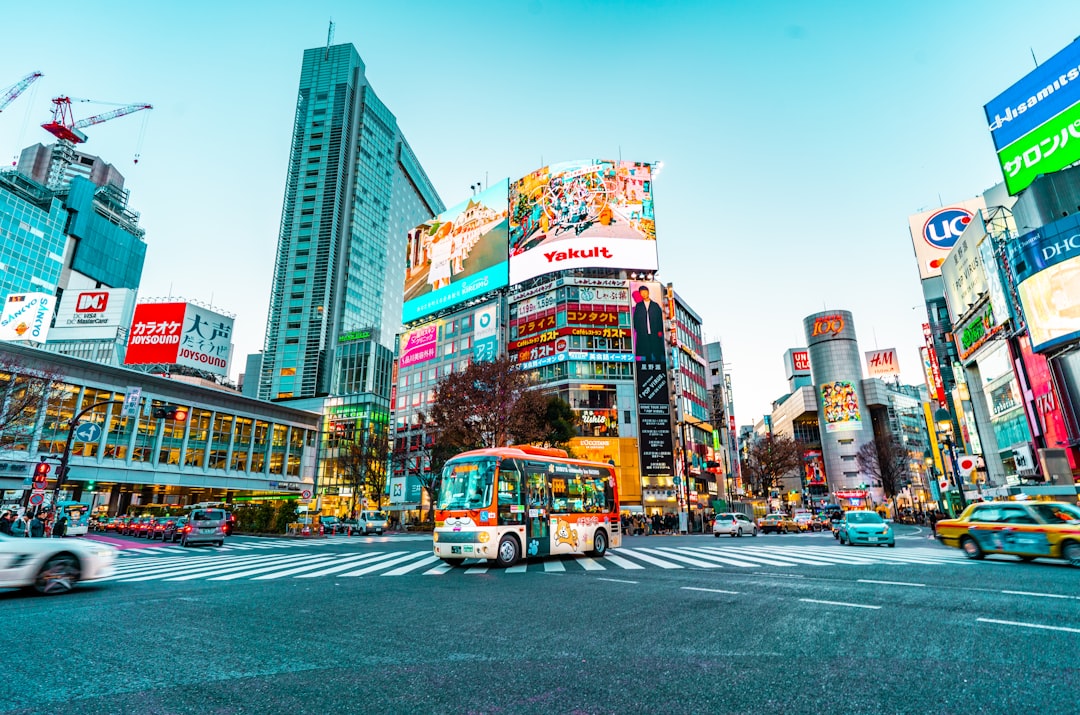
If you want to experience Tokyo’s cutting-edge fashion scene, Shibuya and Harajuku are your starting points. These two neighborhoods sit just one train stop apart on the Yamanote Line, making it easy to combine both into a single shopping day.
In Shibuya, Shibuya 109 (also called Marui) is the landmark for trend-driven Japanese fashion, packed with local brands you won’t find anywhere else. Nearby, Shibuya Scramble Square offers mid-range and premium brands across multiple floors. Budget around ¥5,000–¥20,000 if you plan to pick up a few clothing pieces here.
Harajuku’s Takeshita Street is wild, colorful, and packed with quirky accessories, costume-style fashion, and crepe stands. It’s chaotic in the best possible way. For something more upscale, walk five minutes to Omotesando, Tokyo’s answer to the Champs-Élysées, lined with flagship stores from Gucci, Louis Vuitton, and Comme des Garçons. A practical tip: visit Takeshita Street on a weekday morning to avoid crushing weekend crowds.
Akihabara: Electronics, Anime, and Otaku Culture
Akihabara is unlike any shopping district you’ve ever seen. Known as “Electric Town,” this area in Chiyoda is the global capital of anime merchandise, manga, retro video games, and electronics. If you’re buying gadgets, always check the tax-free counters — most major stores like Yodobashi Camera and BIC Camera offer 10% consumption tax exemption for foreign tourists spending over ¥5,500 in a single transaction.
For anime fans, multi-story shops like Animate and Mandarake stock figures, trading cards, doujinshi, and collectibles. Mandarake in particular is a treasure trove for rare finds at reasonable prices. A first-time visitor spending two to three hours here could easily walk out with ¥10,000–¥30,000 worth of merchandise without even trying. Take the JR Chuo-Sobu Line or Hibiya Line directly to Akihabara Station.
Shinjuku: Department Stores, Duty-Free, and Everything In Between
Shinjuku is Tokyo’s busiest commercial hub and arguably the most practical area for all-in-one shopping. The east side of Shinjuku Station is home to iconic department stores including Isetan, Takashimaya, and Lumine. These stores cover fashion, cosmetics, food halls (known as depachika), and kitchenware under one roof.
Isetan Shinjuku is particularly worth visiting for its basement food floor — even if you don’t buy anything, it’s a cultural experience in itself. For budget shopping, Don Quijote (Donki) on Shinjuku’s east side is open 24 hours and stocks everything from snacks and cosmetics to electronics and souvenirs. It’s loud, cramped, and absolutely essential. Many items here are 20–40% cheaper than airport duty-free shops.
Common mistake: Many tourists skip Shinjuku’s west side entirely. Don’t. The west exit area has excellent electronics retailers and several discount stores that are far less crowded than their Akihabara equivalents.
Asakusa: Traditional Crafts and Authentic Japanese Souvenirs
If you want souvenirs that feel genuinely Japanese rather than mass-produced, head to Asakusa. The famous Nakamise Shopping Street runs directly up to Senso-ji Temple and is lined with over 90 small shops selling traditional items like ningyo (dolls), tenugui (hand towels), kokeshi, lacquerware, and Japanese sweets.
Prices here are very reasonable — a quality tenugui starts around ¥800, and beautifully packaged wagashi (traditional sweets) make perfect gifts from ¥500 per box. For higher-end traditional crafts, explore the smaller side streets around Nakamise. Shops like Bengara sell authentic Edo-period style goods that are genuinely handmade. Asakusa is easily reached via the Tokyo Skytree Line or Ginza Subway Line to Asakusa Station.
FAQ
What is the best area in Tokyo for budget shopping?
For budget shopping, head to Harajuku’s Takeshita Street or any branch of Don Quijote. Shimokitazawa is also excellent for affordable vintage clothing, with most pieces priced between ¥500 and ¥3,000.
When is the best time to shop in Tokyo to avoid crowds?
Weekday mornings between 10:00 AM and 12:00 PM are the quietest shopping hours. Most stores open at 10:00 AM or 11:00 AM. Avoid weekends and Japanese public holidays if possible, especially in Shibuya and Akihabara.
Can tourists get a tax refund on shopping in Tokyo?
Yes. Foreign tourists can claim a 10% consumption tax exemption at most major retailers. You’ll need your passport and must spend a minimum of ¥5,500 at a single store in one day. Look for “Tax-Free” signs at the entrance or service counter.
Conclusion
Tokyo’s shopping scene is genuinely world-class, but the key is knowing which neighborhood matches what you’re looking for. Fashion lovers belong in Shibuya and Harajuku. Tech and anime fans need to spend at least half a day in Akihabara. Practical shoppers will find Shinjuku unbeatable, and anyone seeking authentic gifts should make time for Asakusa.
Plan your shopping days by district, carry your passport for tax-free benefits, and set a budget before you walk into any department store — Tokyo has a way of making everything feel essential. Ready to explore? Start with one neighborhood and go deep rather than rushing through all of them. Your wallet will thank you later.