
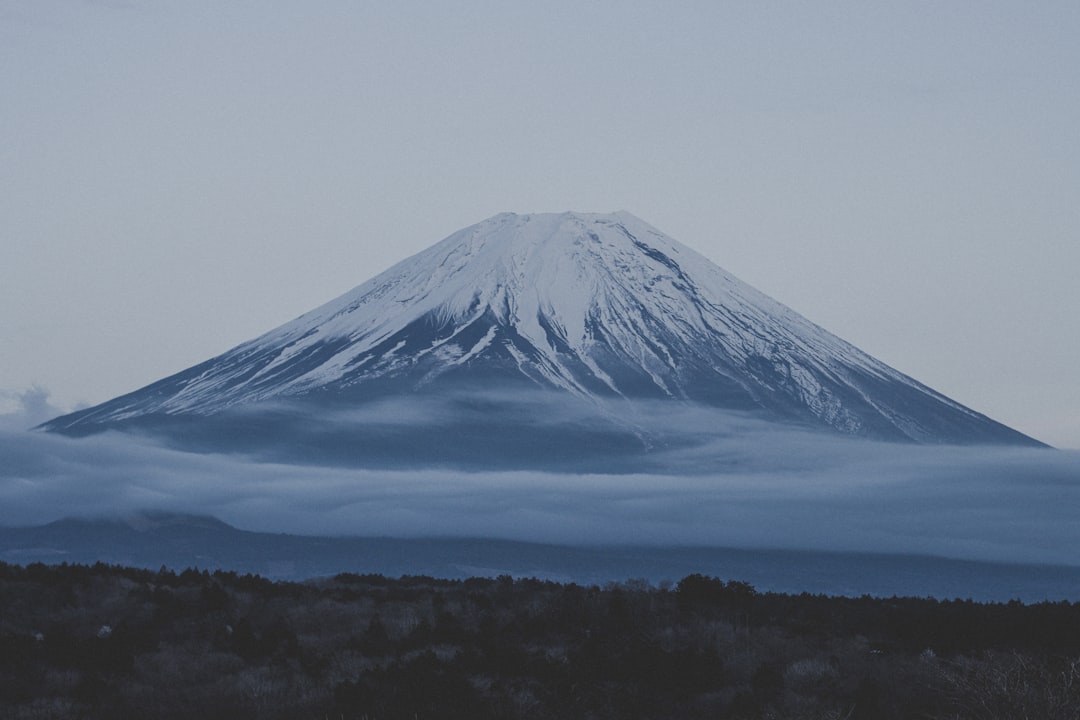
Climbing Mount Fuji is one of the most iconic experiences you can have in Japan. Standing at 3,776 meters, Japan’s tallest peak draws over 200,000 climbers every season — and for good reason. Whether you’re a seasoned hiker or a determined first-timer, this how to climb Mount Fuji guide gives you everything you need to reach the summit safely and make the most of every step.
The good news is that Mount Fuji is absolutely doable without professional mountaineering experience. The bad news? Many tourists underestimate it and end up turning back, getting altitude sickness, or having a miserable time because they didn’t prepare. Follow this guide and you won’t be one of them.
When to Climb Mount Fuji: Season, Dates, and Timing

The official climbing season runs from early July to mid-September. In 2026, expect the season to open around July 1 and close around September 10, depending on snow and trail conditions. Outside this window, trails are closed and extremely dangerous — do not attempt it.
The sweet spot for climbing is mid-July to mid-August. Crowds are manageable, huts are open, and conditions are most stable. Avoid the Obon holiday week (around August 13–15) if you hate queuing — the trails get extremely packed, and summit wait times can stretch to an hour.
For the best experience, aim to start your ascent in the late afternoon, rest at a mountain hut overnight, and time your summit for sunrise. The view of the Goraiko (御来光) — the sunrise from the top — is something you’ll never forget.
Choosing the Right Trail: The Four Routes Explained
Mount Fuji has four main trails: Yoshida, Subashiri, Gotemba, and Fujinomiya. Each starts from a different Fifth Station, which is roughly the halfway point up the mountain. For most first-time climbers, Yoshida Trail is the top recommendation.
The Yoshida Trail (吉田ルート) starts from Fuji Subaru Line 5th Station (2,305m) on the north side and is the most popular route. It has the most mountain huts, the best facilities, and the clearest path markings. From Shinjuku, take the Fuji Kyuko Highway Bus directly to the Fifth Station — it costs around ¥2,800 one way and takes about 2.5 hours.
The Fujinomiya Trail is the shortest route and starts highest (2,400m), making it popular for those short on time. However, it’s steeper and has fewer rest points. The Gotemba Trail is the longest and least crowded — ideal if you want solitude, but plan for a grueling 7–9 hour ascent.
What to Pack: Gear, Clothing, and Supplies
The single biggest mistake climbers make is dressing too lightly. Even in August, temperatures at the summit can drop to near freezing (around 3–5°C), and wind chill makes it feel colder. Pack layers: a moisture-wicking base layer, a fleece mid-layer, and a waterproof outer shell. Gloves and a warm hat are not optional.
Essential items to bring include: hiking boots (not sneakers), trekking poles (rentable at the Fifth Station for around ¥1,000), a headlamp with spare batteries, at least 2 liters of water, high-energy snacks, and cash. Yes, cash — vending machines and hut vendors on the mountain charge ¥500 per bottle of water, and cards are rarely accepted.
Altitude sickness is real and affects even fit climbers. Ascend slowly, hydrate consistently, and never rush the upper sections above the Eighth Station. If you feel severe headache, nausea, or confusion, descend immediately — no summit photo is worth your health.
Mountain Huts and Fees: Where to Sleep and What It Costs
Staying at a mountain hut (山小屋, yamagoya) overnight is strongly recommended over a single-day climb. It lets your body acclimatize and puts you in perfect position for the sunrise summit. A bunk at a hut on the Yoshida Trail costs around ¥7,000–¥9,000 per person, often including a simple dinner and breakfast.
Popular huts like Taishi-kan at the Eighth Station book out weeks in advance during peak season. Reserve online as early as possible — many huts open reservations in April or May. Don’t show up hoping for a walk-in spot in August.
Also note: since 2024, the Yoshida Trail introduced a ¥2,000 conservation fee and a gate that closes at 4:00 PM to reduce dangerous nighttime “bullet climbing.” Budget for this and plan your start time accordingly.
FAQ
Is Mount Fuji hard to climb for beginners?
It’s challenging but achievable for most healthy adults. The biggest factors are altitude, not technical difficulty. The trails have no rock climbing or scrambling. If you can handle a long uphill hike for 5–7 hours, you can do it — as long as you go slowly and prepare properly.
Do I need a guide to climb Mount Fuji?
No, a professional guide is not required. The Yoshida Trail is clearly marked and staffed with mountain hut workers who can assist. That said, first-time solo climbers should stick to the main trails and never attempt off-season climbing alone.
What is the best time to start the climb?
If staying overnight in a hut, begin your ascent around 2:00–3:00 PM from the Fifth Station to arrive at the Eighth Station by evening. If doing a day hike without staying overnight, start by 5:00–6:00 AM to summit and descend before afternoon thunderstorms roll in.
Ready to Take on Japan’s Most Famous Summit?
Climbing Mount Fuji is a bucket-list achievement that takes real preparation — but rewards every bit of effort with breathtaking views and a genuine sense of accomplishment. Book your mountain hut early, pack smart, go slow, and respect the mountain.
Before your trip, check the official Fujisan climbing information site (fujisan-climb.jp) for real-time trail conditions, gate hours, and fee updates. The mountain will be there waiting — make sure you’re ready for it.