
Japan’s autumn foliage season — known as koyo (紅葉) — is one of the most genuinely spectacular natural events I’ve ever witnessed, and I’ve seen it dozens of times living here in Tokyo. Every year, I watch international visitors scramble to plan their trips around peak color, often making the same timing mistakes that leave them staring at green leaves or bare branches. This guide covers the best autumn foliage spots in Japan for 2026, with honest advice on when to go, what to expect, and how to avoid the traps that catch most first-time visitors.
Why Koyo Season Is Worth Planning Your Entire Trip Around

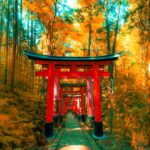
I’m not exaggerating when I say that Japan in autumn looks like a painting. The combination of momiji (Japanese maple), icho (ginkgo), and nara (oak) trees turning simultaneously creates layered color palettes you genuinely don’t see anywhere else. According to the Japan Tourism Agency, autumn foliage draws millions of domestic and international visitors each year, consistently ranking alongside cherry blossom season as Japan’s most celebrated natural event.
The season typically runs from mid-October through late November, moving from north to south across the country. The Japan Meteorological Corporation tracks and forecasts koyo fronts annually — their data for 2026 suggests a slightly earlier peak in northern regions due to temperature patterns, so checking their live forecast maps before you book is genuinely worth doing.
The Best Autumn Foliage Spots in Japan
Nikko, Tochigi Prefecture
Nikko is where I always send friends who want dramatic foliage without flying to a different city. It’s about two hours from Tokyo by the Tobu Nikko Line (roughly ¥1,400 one-way from Asakusa), and the combination of UNESCO-listed shrines and mountain terrain means you get history and nature in a single day trip. Peak color here usually hits between late October and early November. The cedar-lined approach to Tosho-gu Shrine flanked by crimson maples is one of those views that stops people mid-sentence.
Kyoto’s Temple District
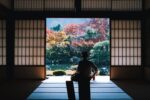
Kyoto is the obvious answer, and it’s obvious for good reason. Spots like Tofuku-ji Temple and Eikan-do Zenrin-ji are world-class for foliage, with maple trees so dense they create a full canopy of red and orange over the garden paths. Peak in Kyoto typically falls between mid-November and late November. Eikan-do even holds special evening illuminations called momiji no Eikan-do during peak season — the gardens are lit until 9 p.m. and the atmosphere is genuinely unforgettable.
Shinjuku Gyoen, Tokyo
People forget that Tokyo itself has excellent koyo, and Shinjuku Gyoen is my personal favorite for low-effort, high-reward foliage. The park covers 58.3 hectares in central Tokyo and contains over 1,500 trees across Japanese, French, and English garden sections. Entry costs just ¥500 for adults. Peak color here tends to arrive in late November to early December, which also means it’s accessible after other spots have already faded — a useful backup if your travel dates are fixed.
Sounkyo Gorge, Hokkaido
If you’re willing to go further north, Sounkyo Gorge in Hokkaido delivers peak foliage as early as early to mid-October — weeks before the rest of Japan. The gorge walls rise up to 150 meters on either side of the Ishikari River, and the colors reflect off the water in a way that photographs simply don’t capture properly. This is the spot I recommend for travelers who want to avoid the main tourist crush entirely.
Korankei, Aichi Prefecture
This one surprises most people. Korankei in Toyota City is Japan’s oldest artificially planted maple forest — over 4,000 maple trees planted along a 1-kilometer stretch of the Tomoe River. It’s not as internationally famous as Nikko or Kyoto, which actually makes it worth visiting. Peak color usually hits in mid-November, and the valley fills with golden and crimson reflections in the river. Access is easiest by car or a short bus from Asuke bus terminal.
What Foreigners Often Get Wrong
The single most common mistake I see is arriving in Kyoto during the first week of November expecting peak color and finding mostly green trees. International travel content — especially short-form video — compresses the timeline and makes it look like all of Japan turns red simultaneously. It doesn’t.
Koyo moves like a slow wave from north to south, and even within a single city, different tree species peak at different times. Ginkgo trees in Tokyo often peak a full two weeks after the maples in the same neighborhood.
The second mistake is underestimating crowds at famous spots. Tofuku-ji in Kyoto can see queues of over an hour on peak weekends, and the area around Eikan-do sometimes requires timed entry passes. Arriving before 8 a.m. — before the tour groups — makes an enormous difference to the experience.
FAQ
When is peak autumn foliage in Japan in 2026?
It varies by region. Hokkaido peaks in early to mid-October, central Honshu (Tokyo, Nikko) peaks from late October to mid-November, and Kyoto typically peaks between mid and late November. Always check the Japan Meteorological Corporation’s annual forecast for the most accurate regional predictions.
Is autumn foliage season as crowded as cherry blossom season?
It can be, especially in Kyoto. However, because foliage spreads across a longer window and more regions than cherry blossoms, it’s easier to time around crowds if you’re flexible. Weekdays are significantly quieter than weekends at all major spots.
Can I see good foliage on a day trip from Tokyo?
Absolutely. Nikko and Shinjuku Gyoen are both excellent options. If you’re willing to travel two to three hours, Korankei is also doable in a long day with an early start.
Related Articles
If you’re planning a foliage trip, these related topics on j-nav.com will help you build the full picture:
– Planning a Japan itinerary around seasonal events? Our guide to Japan’s travel seasons explained covers cherry blossoms, summer festivals, and koyo all in one place.
– Visiting Kyoto for the first time? You’ll want to read our first-timer’s guide to Kyoto before you go — temple etiquette, transportation, and the neighborhoods that matter.
– Many travelers combine autumn foliage with a ryokan stay. Our article on how to book a ryokan in Japan walks you through the process, including what to expect if you don’t speak Japanese.
Conclusion: My Honest Recommendation
As of 2026, Japan’s koyo season remains one of the most rewarding travel experiences you can plan — but only if you plan it properly. My honest advice: anchor your trip around Nikko or Kyoto, build in a buffer of two to three days around your target peak dates, and check live forecast maps the week before you arrive. Don’t lock yourself into a single date based on last year’s photos.
If I had to pick one spot for a first-time visitor with limited time, it would be Nikko. The combination of mountain scenery, historic shrines, and easy access from Tokyo makes it the most reliable, most rewarding single-day koyo experience in the country.
Check the Japan Meteorological Corporation’s 2026 koyo forecast map, pick your dates, and book your accommodation early — popular ryokan and hotels near foliage spots fill up fast. Your autumn in Japan is worth planning right.