
Planning where to sleep is one of the first big decisions for any trip to Japan, and the Airbnb vs hotel in Japan debate comes up more than almost any other question I hear from friends visiting Tokyo. Both options have real merit — but the right choice depends heavily on your travel style, group size, and where you’re headed. Having helped dozens of international friends plan their Japan trips over the years, I can tell you there’s no single answer, but there are clear patterns worth knowing before you book anything.
What the Airbnb Experience in Japan Actually Looks Like

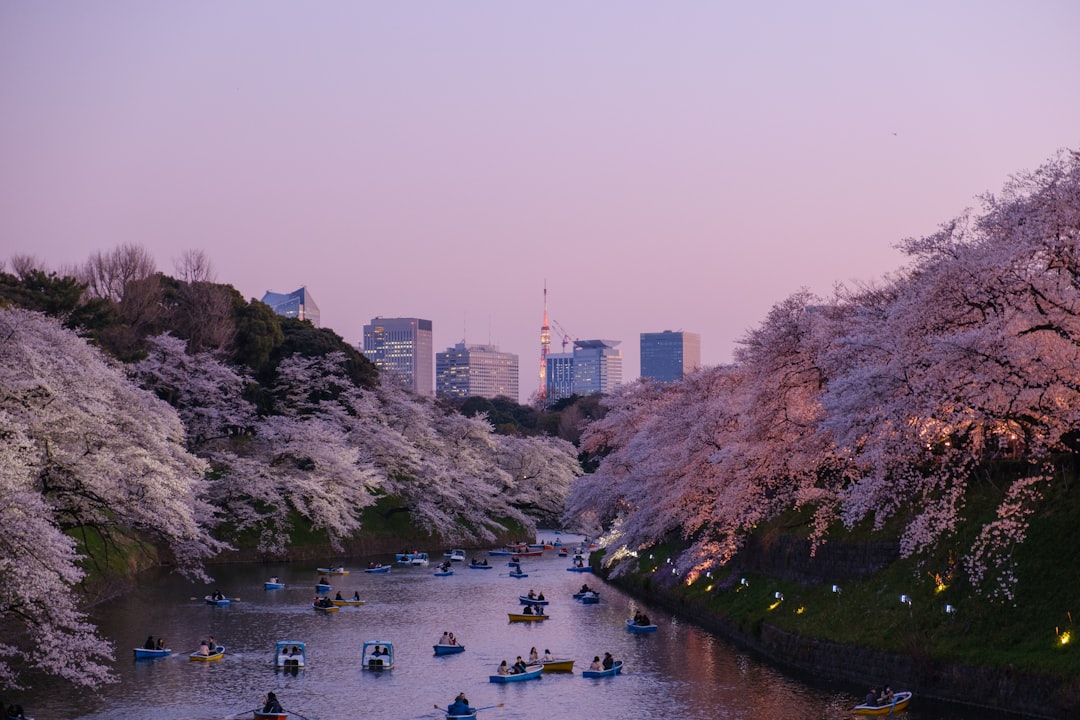
Japan’s short-term rental market is regulated more tightly than most travelers expect. Since the Minpaku New Law (民泊新法) came into effect in June 2018, hosts are legally required to register with their local government and are capped at 180 rental days per year. That cap is a big deal — it means many listings disappear during peak seasons like Golden Week (late April to early May) or cherry blossom season in March and April, exactly when you’re most likely to be visiting.
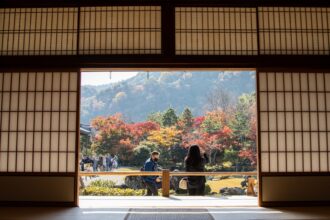
That said, a well-chosen Airbnb in Japan can be a genuinely special experience. I’ve stayed in a machiya (町家) — a traditional Kyoto townhouse — through a short-term rental platform, and it changed how I experienced the city entirely. Cooking breakfast in a kitchen with shoji screens and a small inner garden is something no business hotel can replicate.
The practical upsides are real too. For groups of three or more, splitting an entire apartment often works out significantly cheaper per person than booking separate hotel rooms. A quick search in Tokyo as of early 2026 shows entire apartments running anywhere from ¥8,000 to ¥25,000 per night depending on location and size — competitive when split three or four ways.
What Hotels in Japan Do Exceptionally Well
Japanese hotels — across almost every price tier — deliver a standard of service and consistency that’s genuinely hard to match. Even a mid-range business hotel like a Toyoko Inn or Dormy Inn property (typically priced between ¥7,000 and ¥13,000 per night for a single room) comes with a spotless room, reliable Wi-Fi, a front desk that can help with luggage storage, and often a free breakfast.
For first-time visitors especially, that predictability matters more than it sounds. When you’re jet-lagged, navigating an unfamiliar train system, and trying to make the most of a two-week trip, you don’t want to spend 40 minutes on check-in confusion or searching for extra towels. I’ve noticed that many foreigners underestimate how much mental energy the logistics of Japan can consume — and hotels remove a layer of that friction.
Japan’s hotel culture also includes some genuinely unique options. Capsule hotels start as low as ¥3,000 per night in central Tokyo and are a legitimate cultural experience on their own. Ryokan (旅館) — traditional Japanese inns — often include kaiseki dinner and breakfast and offer an immersive cultural stay that many travelers rank as a trip highlight. The Japan Tourism Agency maintains a registered ryokan list that makes it easier to find legitimate, high-quality properties.
How to Decide: Airbnb vs Hotel for Your Situation
Here’s the breakdown I give friends based on their trip profile:
Choose a hotel if you:
– Are visiting Japan for the first time
– Are traveling solo or as a couple
– Are staying in major cities like Tokyo, Osaka, or Kyoto for short stays
– Value a smooth, low-effort experience with local support on-site
– Plan to be out most of the day and just need a clean, reliable base
Choose an Airbnb (or similar short-term rental) if you:
– Are traveling in a group of three or more
– Are staying for a week or longer
– Want to experience local neighborhoods away from tourist corridors
– Need a kitchen for dietary or budget reasons
– Are interested in a unique property type like a farmhouse or traditional home
One nuance worth flagging: location flexibility is an underrated factor. Airbnb listings in Japan are often in residential areas, which can mean a longer walk to the nearest train station. In a city like Tokyo, where the train network is dense, that’s manageable. In smaller cities or rural areas, it can genuinely complicate your day.
What Foreigners Often Get Wrong
The most common mistake I see is assuming that Airbnb in Japan works just like it does back home. It doesn’t — and booking without understanding the local regulations can cause real problems.
First, many Airbnb listings in Japan are not legally compliant. Under the 2018 Minpaku law, every registered property should display a minpaku registration number on its listing. If you don’t see one, the host may be operating illegally — and your booking could be cancelled last-minute, as Airbnb has periodically purged unregistered listings from its platform. Always check for the registration number before confirming.
Second, don’t assume a cheaper nightly Airbnb rate automatically means a better deal. When you factor in cleaning fees (which in Japan can run ¥3,000–¥8,000 per stay), service charges, and the lack of daily housekeeping or front-desk support, the cost difference versus a business hotel often narrows significantly for short stays.
Third, some residential buildings in Japan have rules — kanri kumiai (管理組合), or building management associations — that prohibit short-term rentals entirely, even if the host is registered. This is a gray area that can occasionally lead to uncomfortable situations with neighbors.
FAQ
Is Airbnb legal in Japan?
Yes, short-term rentals are legal in Japan as long as the host is registered under the 2018 Minpaku New Law. Always look for a minpaku registration number on the listing before booking.
Are hotels in Japan expensive for foreign tourists?
Not necessarily. Budget and mid-range options are widely available, with business hotels in major cities starting around ¥7,000–¥10,000 per night for a single room. As of 2026, demand has increased post-pandemic, so booking in advance — especially during peak seasons — is strongly recommended.
Can I find Airbnbs in rural or off-the-beaten-path areas of Japan?
Yes, and this is actually one of Airbnb’s strongest use cases in Japan. Rural areas and smaller towns often have fewer hotel options, and unique properties like converted farmhouses (kominka / 古民家) are available through short-term rental platforms at reasonable prices.
Related Articles
If you’re still working out your Japan accommodation strategy, a few other guides on j-nav.com are worth reading alongside this one. Our guide on ryokan etiquette and what to expect at a traditional inn covers everything from how onsen bathing works to what to wear at dinner — essential if you’re considering that route. You might also find our breakdown of the best neighborhoods to stay in Tokyo for first-time visitors helpful for deciding which area to base yourself in before you even compare property types. And if budget is a priority, our article on capsule hotels in Japan: what they’re really like covers what’s included, who they suit, and which chains are most foreigner-friendly.
Conclusion
My honest recommendation: if it’s your first trip to Japan, stay in a hotel — at minimum for your first few nights. Get your bearings, enjoy the service, and let yourself settle in. Once you’re comfortable, an Airbnb or short-term rental in a local neighborhood can add a completely different dimension to your trip.
Japan rewards travelers who slow down and look beyond the tourist trail, and the right accommodation can be part of that. But it shouldn’t be a source of stress. Know what you’re booking, check the registration, and choose based on your actual travel needs — not just the nightly rate.
Have questions about where to stay for your specific itinerary? Drop them in the comments and I’ll do my best to point you in the right direction.