
If there’s one thing I genuinely hope you never need but absolutely must be prepared for, it’s a medical emergency in Japan. In my five years working with expat-focused startups in Tokyo, I’ve seen how quickly a stressful situation becomes a crisis when someone doesn’t know the system. Japan has world-class healthcare, but it operates very differently from what most foreigners are used to — and the language barrier alone can feel paralyzing when you’re scared and in pain.
This guide walks you through exactly how to get emergency medical care in Japan, step by step, so you’re ready before you ever need it.
Step 1: Call 119 for a Medical Emergency

The emergency number for ambulances in Japan is 119 — not 911, not 000. This trips up more people than you’d expect.
When I first moved to Tokyo after graduating from Waseda, a friend called me in a panic because he’d dialed 911 and gotten nothing. He’d been in Japan for three months and had never thought to look it up. Don’t be that person.
When you call 119, you’ll likely be connected to a Japanese-speaking dispatcher. Stay calm and say: “Kyūkyū desu. Eigo ga hanasemasu ka?” (救急です。英語が話せますか?) — “This is an emergency. Can you speak English?” Many major cities now have multilingual dispatch support, and Tokyo’s 119 service has English-speaking operators available. If there’s no English support, try to give your location clearly. A specific address or a landmark name works.
According to the Tokyo Fire Department, which oversees ambulance dispatch in the capital, response times in Tokyo average around 8 to 9 minutes. That’s fast — but knowing what to say in those first 30 seconds makes a real difference.
Step 2: Know Where to Go If You Can Get There Yourself
Not every situation requires an ambulance. For urgent but non-life-threatening issues — a bad fall, a high fever, severe pain — you may be able to get to an emergency room on your own.
In Japan, hospitals with 24-hour emergency departments are called kyūkyū byōin (救急病院). You can find the nearest one using the Tokyo Metropolitan Government’s emergency hospital search system at himawari.metro.tokyo.jp (the “Himawari” system), which is available in English and shows real-time availability.
Outside Tokyo, most prefectures have a similar system. The #7119 hotline is also available in many areas — you call this number to speak with a nurse who will assess your symptoms and advise whether you need to go to the ER, see a doctor the next day, or call 119. As of 2026, this service covers most major urban prefectures including Osaka, Kanagawa, and Aichi, though English support varies by region.
One practical tip I always give to expats I work with: screenshot the address of your nearest kyūkyū byōin right now, before anything happens. Seriously, do it today.
Step 3: What to Bring to the Emergency Room
Japanese ERs are efficient, but they are paperwork-heavy. Walking in without the right documents will slow everything down.
Bring the following:
– Your health insurance card (hoken-shō, 保険証) — if you’re enrolled in National Health Insurance (Kokumin Kenkō Hoken) or employer-based insurance, this covers 70% of your medical costs, leaving you responsible for 30%
– Your Residence Card (zairyū kādo) for identification
– Your My Number Card if you have one — many hospitals now use it to pull insurance records directly
– A list of any current medications, ideally with Japanese names or photos of the packaging
– Emergency contact information and, if possible, a Japanese-speaking friend you can call
I’ve sat with foreign friends in Tokyo ERs at 2am more than once. The single biggest source of delay and frustration is almost always the insurance card — either they don’t have it on them, or they’re enrolled in the wrong plan. Get that card into your wallet today.
Step 4: Navigating the ER Without Japanese
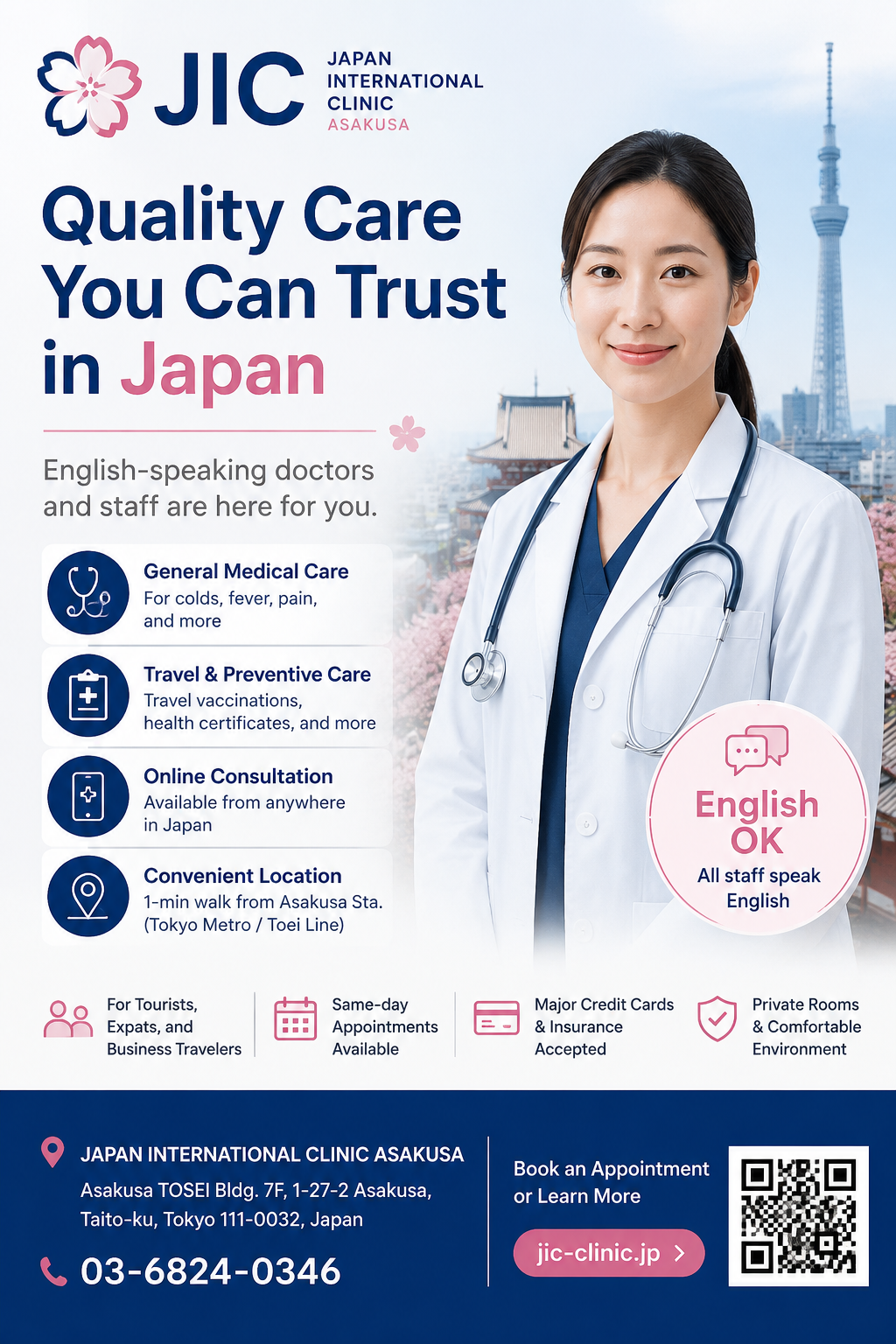
Most ER staff in Japan have limited conversational English, though larger hospitals in major cities — such as St. Luke’s International Hospital in Chūō, Tokyo, and Tokyo Medical and Surgical Clinic in Minato — have dedicated English support. These are excellent options to know in advance if you live in the capital.
For communication in the ER, the Japan Medical Association recommends using symptom-pointing apps or medical translation tools. Apps like VoiceTra (developed by the National Institute of Information and Communications Technology) offer real-time medical interpretation and are free to download.
If your situation allows, contact your country’s embassy for a list of recommended hospitals or interpreter services. Many embassies maintain updated referral lists specifically for medical emergencies.
What Foreigners Often Get Wrong
The most common mistake I see is assuming that Japanese ERs work the same way as back home. They don’t.
Japan does not have a triage system that prioritizes by severity in the same way Western ERs do. If you walk in with a serious but non-obvious condition, you may wait longer than expected while patients who arrived before you are seen first. Be direct and specific about your symptoms — don’t downplay pain or discomfort out of politeness, which many foreigners do, especially in Japan where it can feel culturally appropriate to minimize your needs.
The second mistake: assuming the ambulance is free. Ambulance transport in Japan is technically free of charge for the ride itself, but the ER visit and treatment costs are billed separately. Without insurance, a single ER visit can cost ¥20,000 to ¥50,000 or more. If you are not yet enrolled in health insurance, make that a priority this week.
FAQ
Can I call 119 in English?
In Tokyo and most major cities, yes — English-speaking operators are available, though response times for English support may add a minute or two. Speak slowly and clearly, and give your location first.
What if I don’t have health insurance yet?
You will still receive treatment — hospitals in Japan cannot turn away emergency patients. However, you will be billed the full cost, which can be significant. Enroll in National Health Insurance at your local ward office (kuyakusho) as soon as possible after registering your address.
Is travel insurance the same as Japanese health insurance?
No. Travel insurance may reimburse costs later, but you will pay upfront at the hospital. Always carry your Japanese health insurance card separately and confirm your coverage details with your insurer before an emergency occurs.
Related Articles
If you found this guide useful, there are a few closely related topics worth reading before you need them. First, understanding how Japan’s National Health Insurance system works — enrollment requirements, monthly costs, and what’s covered — will give you the foundation this article assumes you have. Second, if you’re still getting settled, our guide to registering your address at the ward office walks you through the first steps that unlock access to public services including healthcare. Many residents also find our breakdown of English-speaking hospitals in Tokyo useful for non-emergency medical care.
Conclusion
Japan’s emergency medical system is genuinely good — fast, professional, and well-organized. But it rewards preparation. As of 2026, the resources available to English-speaking residents have improved significantly, from multilingual dispatch lines to hospital finder apps, and there’s no reason to be caught off guard.
Save 119 in your phone right now. Find your nearest kyūkyū byōin. Make sure your insurance card is in your wallet.
That’s the advice I give every expat I work with when they first arrive in Tokyo — and it’s the advice I’m giving you. A little preparation today means one less thing to panic about when it matters most.