
Japan is far more than neon-lit cities and bullet trains. The country protects over 34 national parks covering roughly 5.8% of its total land area, offering some of the most dramatic and diverse landscapes in Asia. Whether you’re chasing volcanic peaks, ancient cedar forests, or turquoise coastal waters, the best national parks in Japan deliver experiences that rival anything you’ll find in the world’s top wilderness destinations. The good news? Most are surprisingly accessible, even for first-time visitors.
Why Japan’s National Parks Deserve a Spot on Your Itinerary

Many travelers stick to the classic Golden Route — Tokyo, Kyoto, Osaka — and completely miss Japan’s wild side. That’s a real shame, because the national parks offer something the cities simply can’t: silence, space, and a deep connection to the natural world that has inspired Japanese culture for centuries.
Japan’s parks range from the subtropical coral reefs of Keramashoto in Okinawa to the frozen wetlands of Kushiro in Hokkaido. Entrance to most parks is free or low cost, and well-maintained trails, clear signage, and nearby visitor centers make them very beginner-friendly. Difficulty level: varies from easy boardwalk strolls to demanding multi-day alpine hikes.
One practical note before you go: some areas within national parks — particularly wildlife sanctuaries and fragile ecosystems — require advance permits. Always check the official park website or the Japan Tourism Agency’s national park portal before your trip.
Top 4 National Parks Worth Visiting in Japan
Nikko National Park (Tochigi Prefecture)
Just two hours from Tokyo by the Tobu Nikko Line (around ¥1,360 from Asakusa), Nikko National Park is one of the most accessible parks in the country. It combines the ornate Toshogu Shrine with stunning mountain scenery, including the famous Kegon Falls dropping 97 meters into a turquoise gorge.
Visit in late October for peak autumn foliage — the Iroha-zaka winding road becomes one of Japan’s most iconic leaf-peeping drives. A Nikko All Area Pass (¥4,780) covers unlimited bus rides within the park area for two days, making it easy to cover a lot of ground without a car.
Hakone National Park (Kanagawa Prefecture)
Part of the larger Fuji-Hakone-Izu National Park, Hakone is the perfect one-day or overnight escape from Tokyo. The Romancecar Limited Express from Shinjuku takes about 85 minutes (¥2,470) and drops you right into the heart of the park.
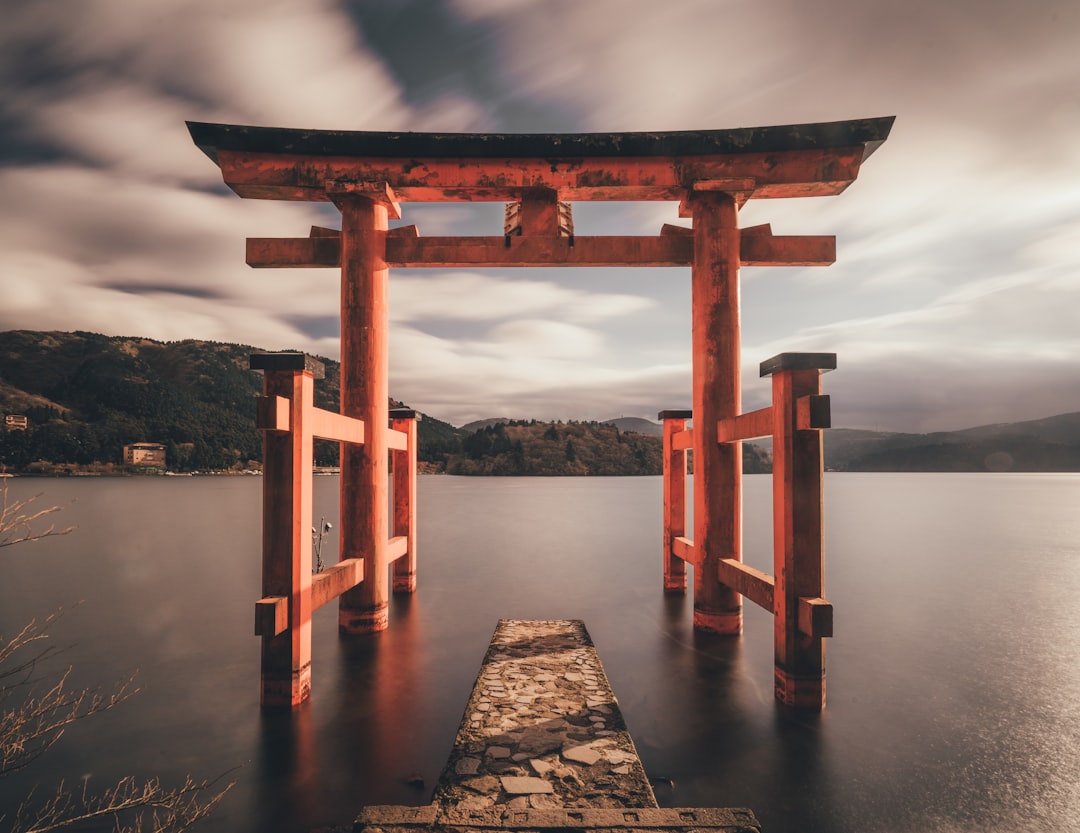
The highlight for most visitors is the open-air view of Mount Fuji from Lake Ashi — though clouds often block the summit, so an early morning visit gives you the best odds. The Hakone Free Pass (¥6,000 from Shinjuku, two days) covers most transportation within the park including the ropeway over Owakudani, a dramatic active volcanic zone.
Shiretoko National Park (Hokkaido)
Listed as a UNESCO World Heritage Site in 2005, Shiretoko is Japan’s true wild frontier. Located on a remote peninsula in eastern Hokkaido, it’s home to brown bears, Steller’s sea eagles, and drift ice in winter. Getting here requires flying into Memanbetsu Airport near Abashiri and then renting a car or taking a bus — plan at least two to three days.
The Shiretoko Five Lakes trail (¥250 entry fee in bear-active season) is the park’s signature walk, offering stunning views of the Shiretoko mountain range reflected in pristine lake water. This is not a park for rushing — it rewards slow, attentive travelers.
Yakushima National Park (Kagoshima Prefecture)
If you’ve seen the ancient forest spirits in Studio Ghibli’s Princess Mononoke, you’ve essentially seen Yakushima. This island park off the southern tip of Kyushu is covered in moss-draped ancient cedar trees, some over 7,000 years old. Take a high-speed ferry from Kagoshima (about 2 hours, ¥8,900 one way) or fly in 35 minutes.
The hike to Jomon Sugi — the island’s most ancient tree — takes about 10 hours round trip, so start by 5:00 AM and bring proper gear. Trail access is limited during peak season, and advance bus reservations are essential. Common mistake: underestimating how wet it gets. Yakushima receives some of the highest rainfall in Japan — pack a serious waterproof layer.
FAQ: Best National Parks in Japan
Do I need to pay to enter Japan’s national parks?
Most national parks in Japan have free general access, though specific attractions within them — like the Shiretoko Five Lakes trail or certain museum facilities — charge a small fee, typically between ¥250 and ¥1,000.
What is the best time of year to visit Japan’s national parks?
It depends on the park. Spring (March–May) is ideal for Nikko and Hakone. Summer (July–August) suits Shiretoko. Autumn (October–November) is best for foliage in central Honshu parks. Yakushima is best avoided in typhoon season (August–September).
Can I visit Japan’s national parks without a car?
Yes for Nikko and Hakone, which have excellent public transport connections. Shiretoko and Yakushima are significantly harder without a car or rental, though seasonal shuttle buses help in peak season.
Conclusion: Start Planning Your Japan Nature Adventure
Japan’s national parks are some of the most rewarding destinations in the country — and among the most overlooked by first-time visitors. Whether you have a single free day near Tokyo or a full week to explore Hokkaido’s wilderness, there is a park that fits your schedule and fitness level perfectly.
Start with Nikko or Hakone if this is your first trip, and work toward Shiretoko or Yakushima as your confidence and Japan experience grows. Check the Japan National Tourism Organization (JNTO) website at jnto.go.jp for the latest trail conditions, permit requirements, and seasonal access updates before you go.
Japan’s wild places are waiting — don’t let the cities have all the adventure.