
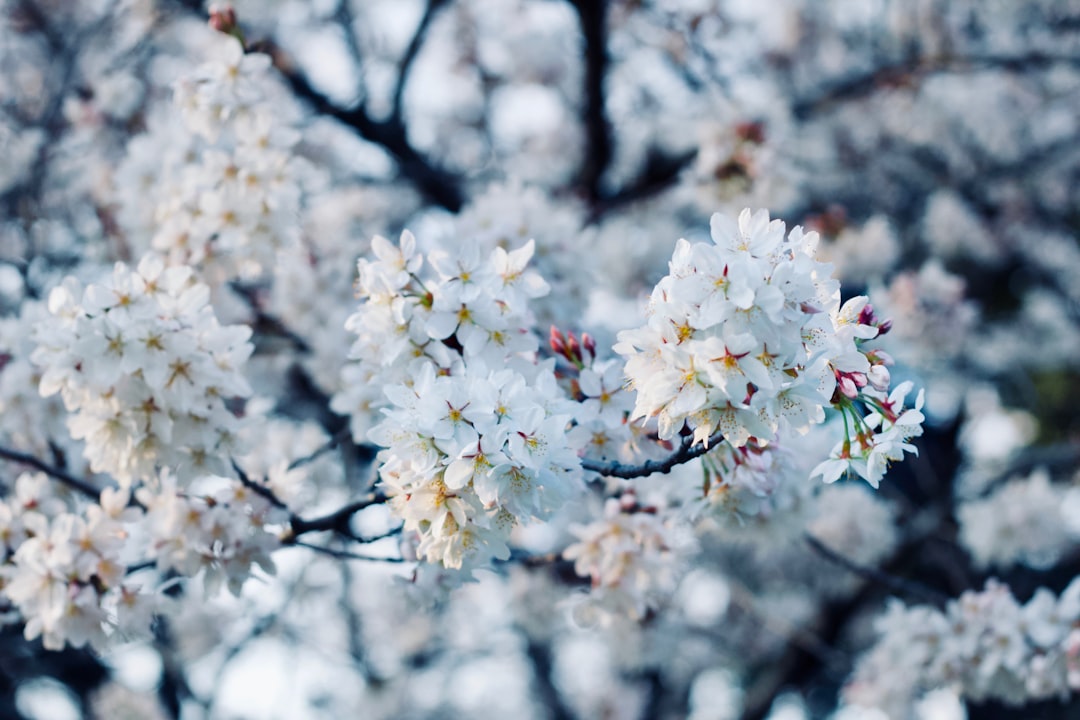
Every spring, Japan transforms into one of the most breathtaking destinations on earth. The Japan cherry blossom season — known locally as sakura season — draws millions of visitors who come specifically to witness the soft pink and white blooms that blanket parks, riverbanks, and temple grounds from late March through early May. If you’ve always dreamed of seeing cherry blossoms in person, this guide will walk you through everything you need to plan a trip that’s timed perfectly, stress-free, and genuinely unforgettable.
When Do Cherry Blossoms Bloom in Japan?

Cherry blossoms don’t bloom all at once across Japan — the season travels northward in a wave called the sakura front (sakura zensen), which meteorologists and weather apps track every year. In 2026, forecasts put peak bloom (mankai) in Tokyo around March 28–April 5, Kyoto around April 1–8, and Sapporo in Hokkaido around April 25–May 3.
This staggered timing is actually great news for travelers. If you build a two-week itinerary moving from west to east — or south to north — you can essentially chase the blossoms across the country and enjoy peak season in multiple cities. A traveler flying into Osaka on March 29, then heading to Tokyo by April 3, and finally to Sendai by April 10 could experience full bloom in all three locations on a single trip.
Pro tip: Aim for mankai (full bloom) rather than the first opening day. Full bloom typically lasts five to seven days under mild conditions, but a single rainy or windy day can strip the trees almost overnight. Check the Japan Meteorological Corporation’s sakura forecast at sakura.weathermap.jp for daily updates.
Best Cherry Blossom Spots in Japan
Japan has thousands of beautiful viewing locations, but a few are truly world-class. Shinjuku Gyoen National Garden in Tokyo (admission ¥500) is one of the best — it has over 1,000 cherry trees of multiple varieties, so blooms stretch from mid-March all the way into mid-April. It’s also alcohol-free, which makes it a calmer alternative to rowdy hanami (blossom-viewing) parties.
In Kyoto, the Maruyama Park and the Philosopher’s Path canal walk are iconic. The Philosopher’s Path stretches about two kilometers along a narrow canal lined with hundreds of cherry trees — an easy, scenic stroll between Nanzenji and Ginkakuji temples. Arrive before 8:00 a.m. to enjoy it without the crowds.
For something more dramatic, head to Hirosaki Castle Park in Aomori Prefecture. It features over 2,500 trees and a famous castle moat that fills with fallen petals, creating a stunning pink carpet on the water. The Hirosaki Cherry Blossom Festival runs late April to early May — perfectly timed for Tohoku’s bloom cycle.
How to Handle the Crowds (and Book Smartly)
Cherry blossom season is the most crowded time to visit Japan. Popular parks like Ueno in Tokyo can see over 50,000 visitors on a single weekend afternoon. Hotels in Tokyo and Kyoto during peak bloom fill up months in advance, and prices can be two to three times higher than off-season rates.
Book your accommodation as early as October or November for a late March or April trip. Use sites like Booking.com or Japanese platform Jalan (jalan.net) and filter by free cancellation — forecasts can shift, and you may want flexibility. If you’re traveling on a budget, guesthouses and capsule hotels in Asakusa or Osaka’s Namba area offer solid options from around ¥3,500–¥6,000 per night.
For park visits, go on weekday mornings. Arriving at Shinjuku Gyoen when it opens at 9:00 a.m. on a Tuesday feels almost peaceful compared to a Saturday afternoon. Evening illumination events — called yozakura — at locations like Meguro River are also magical and often less crowded than daytime visits.
FAQ
When is the best time to visit Japan for cherry blossoms?
Late March to mid-April is the sweet spot for most of Japan’s main cities. Tokyo and Kyoto typically hit peak bloom between March 28 and April 8. If you can only visit one week, target the first week of April — it covers the best overlap between Tokyo and Kyoto bloom windows in most years.
Can I enjoy cherry blossoms outside of Tokyo and Kyoto?
Absolutely. In fact, lesser-known spots like Kawaguchiko (Lake Kawaguchi near Mount Fuji), Yoshino in Nara, and Kakunodate in Akita offer equally stunning scenery with smaller crowds. Kakunodate’s samurai district lined with weeping cherry trees is genuinely one of Japan’s most underrated spring sights.
What should I pack for cherry blossom season?
Spring weather in Japan is unpredictable — bring layers. Mornings can be chilly (8–12°C), afternoons warm up to 18–22°C, and rain is common. A compact umbrella, comfortable walking shoes, and a light waterproof jacket are essentials. A picnic mat is useful for hanami parties in parks.
Start Planning Your Sakura Trip Now
Japan’s cherry blossom season is genuinely one of the world’s great travel experiences — but it rewards those who plan ahead. Book your flights and hotels early, track the official bloom forecasts from January onward, and build a flexible itinerary that lets you follow the sakura front across the country.
Ready to go deeper? Explore our guides to the best ryokan stays for spring, how to get around Japan by Shinkansen, and what to eat at a Japanese spring festival — all on Japan Navigator.