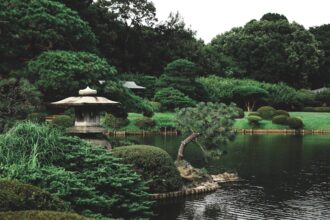

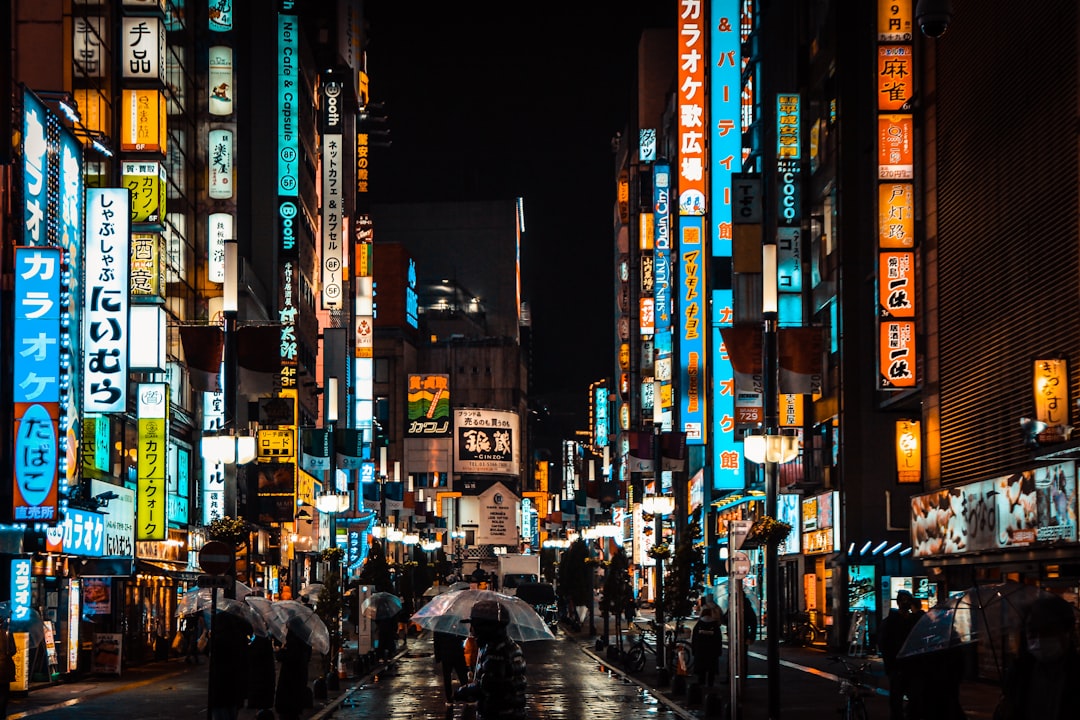
Planning your first trip to Tokyo can feel overwhelming, but this Tokyo travel guide for first-time visitors breaks down everything you need to know into manageable steps. Japan’s capital city welcomes over 15 million international visitors annually, and with proper preparation, you’ll navigate its 23 special wards like a seasoned traveler. From getting around on the JR Yamanote Line to finding the best ramen at 2am in Shinjuku, this guide covers the essential information that will save you time, money, and frustration during your Tokyo adventure.
Essential Areas to Stay and Explore

Tokyo’s vastness becomes manageable when you understand its neighborhood structure. Shinjuku serves as the perfect base for first-time visitors, with three major train lines (JR, Metro, and private railways) connecting you to anywhere in the city within 30 minutes. Hotels near Shinjuku Station’s South Exit, like Hotel Gracery (¥12,000-18,000 per night), put you within walking distance of department stores, restaurants open until 5am, and the serene Shinjuku Gyoen garden.
For a more traditional atmosphere, consider Asakusa, where budget-friendly hotels like Richmond Hotel (¥8,000-12,000) surround the historic Sensoji Temple. The area’s Nakamise shopping street opens at 9am daily, offering traditional snacks and souvenirs that cost between ¥100-500. From Asakusa Station, the Tokyo Skytree is just two stops away on the Tobu Skytree Line.
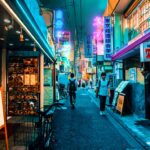
Shibuya appeals to younger travelers and nightlife enthusiasts, with capsule hotels like The Millennials (¥4,000-6,000) offering modern accommodations. The famous Shibuya Crossing sees 3,000 people cross at once during peak hours, and the area’s Center Gai street stays lively until 3am with izakayas, karaoke boxes (¥500 per hour), and 24-hour convenience stores.
Navigating Tokyo’s Train System Like a Local
Purchase a Pasmo or Suica IC card immediately upon arrival at Haneda or Narita Airport for ¥2,000 (¥500 deposit plus ¥1,500 credit). These rechargeable cards work on all trains, subways, and buses in Tokyo, eliminating the need to buy individual tickets. Tap the card on the blue readers when entering and exiting stations, and the fare (typically ¥170-320) automatically deducts from your balance.
The JR Yamanote Line forms a 35-kilometer loop connecting Tokyo’s major districts, with trains arriving every 2-4 minutes from 4:30am to 1:00am. During rush hours (7-9am and 5-7pm), avoid cars 1-3 and 9-11 as they’re the most crowded. Women-only cars, marked with pink signs, operate on most lines during morning rush hours.
Download the Google Maps app before arrival and enable offline maps for Tokyo. The app accurately displays platform numbers, train departure times, and even which car to board for the quickest exit at your destination. For example, when traveling from Tokyo Station to Harajuku, Google Maps will tell you to board car 10 for the closest exit to Takeshita Street.
Budget Planning and Money Matters
Plan to spend ¥10,000-15,000 per day for comfortable travel in Tokyo, covering meals, transportation, and attractions. Budget breakdown: breakfast at a convenience store (¥500), lunch at a ramen shop (¥1,200), dinner at an izakaya (¥3,000), daily transport (¥1,000), and one paid attraction like teamLab Borderless (¥3,800). Always carry cash, as many restaurants, especially those in local neighborhoods, don’t accept credit cards.
Withdraw cash from 7-Eleven ATMs, which accept most international cards and offer English language options. These ATMs operate 24/7 and charge a flat fee of ¥110-220 per transaction. Avoid currency exchange counters at tourist spots like Roppongi, where rates are 5-10% worse than at banks or airports.
Save money by eating lunch sets (teishoku) between 11am-2pm, when restaurants offer their dinner menu items for ¥800-1,200. Department store basement food floors (depachika) discount prepared foods by 30-50% after 7pm. The Don Quijote mega-store in Shinjuku stays open 24/7 and sells everything from souvenirs to instant ramen at prices 20-30% lower than airport shops.
Cultural Tips to Avoid Common Mistakes
Remove your shoes when entering temples, traditional restaurants, fitting rooms, and some museums. Look for a genkan (lowered entrance area) with shoes lined up, and use the provided slippers. At temples like Meiji Jingu, you’ll encounter shoe lockers (¥100 refundable deposit) near building entrances.
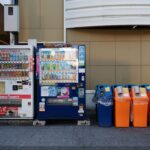
Never eat while walking or on trains, as it’s considered rude. Instead, find a bench or standing area near vending machines to consume snacks. The exception is during festivals or at food stalls, where eating while standing is acceptable. Talking on phones inside trains is also taboo; set your phone to manner mode and text instead.
When paying at stores or restaurants, place money on the small tray provided rather than handing it directly to the cashier. Tipping is not practiced in Japan and can actually cause confusion or embarrassment. Instead, show appreciation with a bow and saying “gochisousama deshita” after meals.
FAQ
Q: How many days should I spend in Tokyo as a first-time visitor?
A: Plan for at least 4-5 full days to see major attractions without rushing. This allows one day each for Asakusa/Skytree, Shibuya/Harajuku, Shinjuku/Meiji Jingu, Tsukiji/Ginza, and one flexible day for areas like Akihabara or Odaiba.
Q: Is the JR Pass worth it for Tokyo-only travel?
A: No, the JR Pass isn’t cost-effective for Tokyo alone. It costs ¥29,650 for 7 days but only covers JR lines (not subways). Instead, use IC cards and consider the Tokyo Metro 24-hour ticket (¥800) on days with heavy subway use.
Q: What’s the best time of year to visit Tokyo?
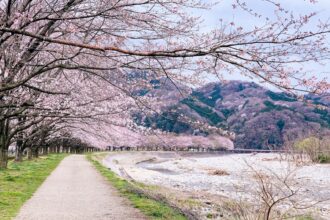
A: Visit during shoulder seasons: late March to early April for cherry blossoms, or November for autumn colors and comfortable weather (15-20°C). Avoid Golden Week (late April-early May) and Obon (mid-August) when prices spike and attractions get overcrowded.
Conclusion
Tokyo rewards prepared travelers with unforgettable experiences, from sunrise at Tsukiji Outer Market to late-night ramen runs in Ichiran’s solo dining booths. Start planning your Tokyo adventure by booking accommodation near a major station, downloading essential apps, and studying the train map. Visit Japan Navigator’s Tokyo section for detailed guides on specific neighborhoods, restaurants, and seasonal events that will enhance your first visit to this incredible city.