
If you’re visiting Japan and staying only in city hotels, you’re missing something that can’t be replicated anywhere else on earth. The best ryokan experiences near Tokyo aren’t just accommodation — they’re a full immersion into Japanese culture, from the tatami floors under your feet to the multi-course kaiseki dinner served in your room. I’ve helped dozens of foreign friends and expat clients plan their first ryokan stay, and the look on their faces afterward is always the same: why didn’t I do this sooner?
The good news is that you don’t need to travel far. Within two to three hours of Tokyo, there are ryokan that will genuinely change how you see Japan.
What Makes a Ryokan Different From a Regular Hotel

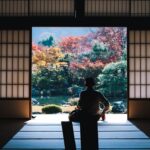
A ryokan (旅館) is a traditional Japanese inn, and the experience is built around a philosophy called omotenashi — wholehearted hospitality with no expectation of anything in return. When you arrive, you’re greeted in a genkan (entrance foyer), asked to remove your shoes, and handed a yukata (cotton robe) that you’ll wear for the rest of your stay.
Most traditional ryokan include two meals: kaiseki dinner and a Japanese-style breakfast, both served either in your room or a private dining area. This is not hotel buffet food. These are carefully prepared seasonal dishes, often featuring locally sourced ingredients. The meal alone can take 90 minutes.
The other defining feature is the onsen (hot spring bath). Many ryokan near Tokyo sit in volcanic regions — Hakone, Nikko, Izu — where natural hot spring water is piped directly into communal baths or private in-room baths called kashikiri buro.
Top Ryokan Destinations Within Reach of Tokyo
Hakone (About 90 Minutes by Romancecar from Shinjuku)
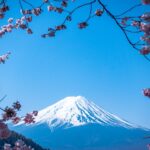
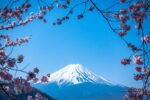
Hakone is the most accessible ryokan destination from Tokyo and, in my opinion, the best starting point for first-timers. The area sits inside Fuji-Hakone-Izu National Park, and on a clear day, views of Mount Fuji from your open-air bath — called a rotenburo — are genuinely surreal.
One standout property is Hakone Ginyu, a mid-to-high-end ryokan in Miyanoshita that combines traditional aesthetics with attentive English-friendly service. Rates typically start around ¥40,000 per person per night including meals, which sounds steep until you calculate what kaiseki dinner alone costs at a Tokyo restaurant.
Nikko (About 2 Hours from Asakusa via Tobu Nikko Line)
Nikko is better known for its ornate shrines and temples, but the surrounding area — particularly Kinugawa Onsen — offers excellent ryokan at slightly lower price points than Hakone. I’ve noticed that many foreigners overlook Nikko as a ryokan destination because they associate it purely with sightseeing, but combining a morning at Tosho-gu Shrine with an evening at a traditional inn here is one of the most well-rounded Japan experiences you can have.
Izu Peninsula (About 2 Hours from Tokyo Station via Shinkansen and Local Transfer)
The Izu Peninsula stretches south of Tokyo along the Pacific coast and is a favorite among Tokyo residents for weekend escapes. The region has over 2,000 years of hot spring history. Properties range from budget-friendly inns around ¥15,000 per person to exclusive boutique ryokan charging ¥80,000 or more. Shuzenji Onsen, a small hot spring town deep in the Izu mountains, feels genuinely removed from modern Japan in the best possible way.
How to Book a Ryokan as a Foreign Traveler
Booking a ryokan is not always as straightforward as booking a hotel on a global platform. Many traditional properties list on Jalan or Rakuten Travel, both Japanese-language booking sites, though English interfaces have improved significantly. For international travelers, Relux (relux.jp) and Ikyu (ikyu.com) are reliable platforms with English support and a curated selection of higher-quality properties.
When booking, confirm the following details in writing:
– Whether meals are included (nishoku tsuki means two meals included)
– Whether the onsen is communal, private, or both
– Whether there is an English-speaking staff member available
– Check-in time, which is typically between 3:00 PM and 6:00 PM — later arrivals can cause issues with your kaiseki dinner timing
According to the Japan Tourism Agency, ryokan and traditional inn stays have seen consistent growth among foreign visitors, with international guests now accounting for a meaningful share of bookings at onsen resorts, particularly in Hakone and Kyoto regions.
What Foreigners Often Get Wrong
The most common mistake I see is treating a ryokan like a hotel. People check in, drop their bags, and immediately head out to sightsee — then rush back for dinner feeling stressed. That completely misses the point.
A ryokan stay is designed to slow you down. Arrive early enough to soak in the onsen before dinner. Wear your yukata to dinner. Don’t ask for extra pillows and a Western-style mattress the moment you arrive (futon on tatami is the experience — lean into it). And please don’t skip the Japanese breakfast. Many guests tell me they weren’t sure about miso soup and grilled fish at 7:30 AM, but it turned out to be one of their favorite meals of the trip.
One more practical point: tipping is not part of Japanese culture and is considered unnecessary, sometimes even rude. The staff are not expecting anything beyond sincere gratitude.
FAQ
Do ryokan near Tokyo require Japanese language skills to book or stay?
Most established ryokan in tourist areas like Hakone and Nikko have English-speaking staff or at minimum English signage. Booking platforms like Relux offer English support. A few phrases of Japanese are always appreciated but never required.
What is the average cost of a ryokan stay near Tokyo in 2026?
As of 2026, expect to pay between ¥15,000 and ¥50,000 per person per night for a quality stay including two meals. Budget options exist around ¥10,000 but often exclude meals or private onsen access.
Can I visit an onsen at a ryokan if I have tattoos?
This varies by property. Many ryokan in tourist areas have relaxed their tattoo policies in recent years, particularly those targeting international guests. Always check the property’s policy before booking. Some offer private baths as an alternative.
Related Articles
If you’re planning an overnight trip from Tokyo, you might also want to read about getting around Japan by bullet train and regional rail — understanding the ticketing system will save you time and money getting to Hakone or Nikko.
This topic connects closely with how to experience onsen culture in Japan as a foreigner, which covers etiquette, tattoo policies, and what to expect in communal bathing spaces.
Many readers also find the best day trips from Tokyo equally useful when deciding whether to do a one-night ryokan stay or extend their trip into the region.
Conclusion
A well-chosen ryokan stay near Tokyo is, genuinely, one of the most memorable things you can do in Japan. I always tell first-time visitors the same thing: budget for at least one night. Pick a property in Hakone if you want convenience and scenery, Nikko if you want history paired with tradition, or Izu if you want something quieter and more intimate.
Don’t overthink it. Book a mid-range property with meals and an onsen included, arrive with no agenda, and let the experience do what it’s designed to do.
Your next step: Browse properties on Relux or Ikyu, filter by “English-friendly” and “onsen included,” and lock in a date before availability fills up — especially for spring (cherry blossom season) and autumn foliage weekends, which book out months in advance.