
If you ask most foreigners where to find Japan’s best ramen, they’ll say Tokyo or Sapporo. Honestly, I used to think the same thing — until a food-obsessed friend from Osaka sat me down and made a very compelling argument over three bowls and two hours. The best ramen in Osaka doesn’t get the international spotlight it deserves, and this guide is my attempt to fix that.
Osaka is famously a city of kuidaore (食い倒れ) — a Japanese expression meaning “to eat until you drop.” Ramen here reflects that spirit: bold, generous, and unapologetically satisfying. Whether you’re spending a weekend or a full week, this guide will point you toward the right bowls and help you avoid the tourist traps in between.
What Makes Osaka Ramen Different

Before I get into specific shops, it helps to understand what you’re actually eating. Osaka doesn’t have a single “signature” ramen style the way Sapporo has miso or Fukuoka has tonkotsu. Instead, it’s a melting pot — shaped heavily by influences from neighboring regions and the city’s own obsession with rich, savory flavor.
The style you’ll encounter most often is kotteri (こってり), meaning heavy or rich, typically built on a thick pork-bone broth. But Osaka also has a strong tradition of shoyu (soy sauce-based) ramen with clear, layered broths that feel deceivingly simple until you taste them. According to the Japan Tourism Agency, Osaka consistently ranks among Japan’s top three cities for food tourism — and ramen is a significant part of that reputation.
Top Ramen Shops to Visit in Osaka
Kinryu Ramen (金龍ラーメン) — Dotonbori
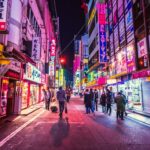
If you’re visiting Dotonbori — and you almost certainly will be — Kinryu Ramen is the bowl I always point people toward first. It’s open 24 hours a day, which matters more than you’d think when you’re navigating a city that eats late. The tonkotsu-based broth is rich without being overwhelming, and a standard bowl runs around ¥750. The dragon statue outside has become something of a landmark in its own right.
I’ve walked past Kinryu at midnight on a Saturday and seen locals, salarymen, and tourists all sitting at the same counter without anyone caring who was who. That’s an Osaka ramen experience in itself.
Menya Jiro — Shinsaibashi Area
Not to be confused with the Tokyo chain “Jiro-style” ramen, Menya Jiro in the Shinsaibashi area has developed its own loyal following for its refined but deeply savory shoyu broth. Portions are generous, the noodles are medium-thick and slightly wavy, and the chashu pork is the kind that makes you plan a return visit. Expect a short queue during lunch — usually 15 to 25 minutes — which in Osaka ramen terms means it’s worth it.
Takaida Honten (高井田本店) — Higashiosaka
This one requires a small effort, but it’s worth the trip to Higashiosaka. Takaida-style ramen is genuinely unique to this pocket of the Osaka metro area: a dark, thick soy sauce broth with thick, chewy noodles and a flavor profile that’s almost more like a Japanese stew than a typical ramen. You won’t find this style anywhere else in Japan. A bowl costs around ¥900 to ¥1,100, and the shop has been serving this style since the 1950s. When I brought a friend visiting from London here, she described it as “the most interesting bowl of noodles I’ve ever had.” High praise.
Ippudo Osaka (一風堂) — Multiple Locations
Yes, Ippudo is a chain with locations worldwide — but the Osaka branches serve bowls calibrated for local palates, which means richer and slightly saltier than the international versions. For first-time visitors who want a reliable, excellent bowl without the anxiety of navigating a tiny local shop, Ippudo is genuinely a solid choice. The Shiromaru Classic is the starting point; the Akamaru Modern is where you go once you want more depth.
How to Order Ramen in Osaka Like a Local
Most ramen shops in Japan use a 券売機 (kensakuki) — a ticket vending machine at the entrance. You pay before you sit, press the button for your order, and hand the ticket to staff. If you’re unsure, pointing and saying “kore onegaishimasu” (これ、お願いします — “this one, please”) works every time.
Customizations are common: kata-me (硬め) for firm noodles, yawara-me (柔らかめ) for soft, kome (濃め) for stronger broth, usshari (薄め) for lighter. Don’t be afraid to ask — ramen shop staff in Osaka are used to pointing and gesturing. Nobody will judge you.
What Foreigners Often Get Wrong
The most common mistake I see is tourists skipping the regional shops in favor of chains they recognize from overseas. I completely understand the instinct — especially when you’re tired and jetlagged — but Osaka’s best ramen is mostly in independent shops with no English menus, short queues, and zero Instagram presence. The algorithm won’t find these for you.
The second mistake is ordering based on photos alone without reading the broth type. A bowl that looks like a simple shoyu ramen might be intensely salty; a creamy-looking broth might be lighter than expected. Knowing whether you’re ordering tonkotsu, shoyu, shio (salt-based), or miso before you sit down saves a lot of surprise.
Finally, many visitors don’t realize that slurping is not only acceptable — it’s encouraged. It aerates the broth, cools the noodles, and honestly signals to the chef that you’re enjoying the bowl. Slurp freely.
FAQ
Is Osaka ramen different from Tokyo ramen?
Yes. Tokyo ramen tends toward lighter, more refined shoyu or shio broths. Osaka ramen leans richer and bolder, with more kotteri (heavy) options and the unique Takaida-style that exists almost nowhere else.
Do ramen shops in Osaka have English menus?
Some do, particularly in tourist-heavy areas like Dotonbori. Independent shops usually don’t, but most have picture menus or plastic food displays outside. The ticket machines often have images — use them.
How much should I budget for ramen in Osaka?
A standard bowl costs between ¥750 and ¥1,200 at most shops. Adding toppings (extra chashu, soft-boiled egg, nori) typically adds ¥100 to ¥200 per item. Ramen remains one of Japan’s best-value meals.
Related Articles
If you’re building your Osaka food itinerary, you’ll want to read our guide to the best takoyaki and street food in Dotonbori — Kinryu Ramen sits right in that neighborhood, so you can easily combine both in one evening.
For anyone planning a wider Kansai trip, our article on Kyoto vs. Osaka: which city to base yourself in covers the practical differences that affect how much time you’ll actually spend eating in each city.
And if you’re curious how Osaka’s ramen scene compares beyond the city, check out our regional ramen guide for Japan — it puts Takaida-style, Kyoto-style, and other lesser-known varieties into the bigger picture.
Conclusion
As of 2026, Osaka’s ramen scene is more vibrant and more varied than most international travelers expect — and still genuinely underrated compared to the attention Tokyo gets. My honest recommendation: start with Kinryu in Dotonbori on your first night (you’ll be there anyway), make the trip to Higashiosaka for Takaida-style at least once, and leave room in your itinerary for a queue you didn’t plan for.
The best bowls in Osaka aren’t always the ones with the most reviews. They’re the ones where the broth has been simmering since before you landed.
Ready to plan your Osaka food trip? Save this guide, explore the related articles above, and start mapping your ramen route before you arrive — your future self, standing outside a 24-hour dragon-guarded counter at midnight, will thank you.