
Japan’s summer fireworks festivals — known as hanabi taikai — are some of the most spectacular events in the country’s calendar. Every year, millions of visitors and locals gather along riverbanks, in parks, and on beaches to watch breathtaking pyrotechnic displays that light up the night sky. If you’re planning a trip to Japan between July and August, building your itinerary around a major hanabi festival is absolutely worth it — but knowing what to expect before you go makes all the difference.
What Makes Japanese Fireworks Festivals So Special

Unlike fireworks shows in other countries, Japanese hanabi festivals are deeply rooted in tradition and culture. The displays are choreographed with extraordinary precision, often lasting 60 to 90 minutes with tens of thousands of shells fired into the sky. Many festivals have been running for over 200 years, and the artistry involved — from hand-crafted shells to elaborate multi-burst patterns — is genuinely world-class.
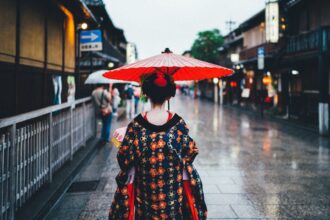
The atmosphere surrounding the event is just as memorable as the fireworks themselves. Rows of yatai (food stalls) line the streets selling yakitori, takoyaki, kakigori (shaved ice), and cold beer. Locals dress in yukata (summer kimono), creating a visual spectacle even before the first shell is fired. For many travelers, the hanabi festival becomes the highlight of their entire Japan trip.
One key thing to understand: these are massive public events. The Sumida River Fireworks Festival in Tokyo draws over 900,000 spectators each year. Arriving late or without a plan can mean watching from behind a crowd three people deep. Preparation is everything.
The Best Fireworks Festivals to Visit in Japan
Japan has hundreds of fireworks festivals each summer, but a handful stand out as truly unmissable experiences for international travelers.
Sumida River Fireworks Festival (Tokyo) — Held on the last Saturday of July, this is one of Tokyo’s most iconic summer events. Two competition sites launch over 20,000 fireworks shells along the Sumida River in Asakusa. Take the Tokyo Metro Ginza Line to Asakusa Station and arrive at least two hours early to claim a riverside spot.
Lake Suwa Fireworks Festival (Nagano) — Held on August 15th, this festival fires shells across the surface of Lake Suwa, creating stunning reflections on the water. It’s considered one of Japan’s top three fireworks festivals, with over 40,000 shells launched in a single night. Take a train from Shinjuku to Kami-Suwa Station on the JR Chuo Line.
Omagari All Japan Fireworks Competition (Akita) — If you want to see competitive fireworks at their absolute finest, Omagari is the answer. Held in late August, master pyrotechnicians from across Japan compete for top honors. The level of artistry on display here is unlike anything else in the world.
How to Watch: Tickets, Spots, and Practical Tips
Most hanabi festivals offer free public viewing areas, but the best spots — reserved seating on bleachers or premium riverbank zones — require paid tickets. These sell out weeks or even months in advance through platforms like Ticket Pia or Lawson Ticket. For Sumida River, expect to pay ¥3,500–¥6,000 for a reserved seat with a clear sightline.
If you miss the tickets, don’t panic. Arrive two to three hours early and scout the free viewing zones. For the Sumida River festival, the area around Hanakawado Park and the Kototoi Bridge offers excellent free views if you plant yourself early. Bring a compact folding mat or a small portable stool — you’ll be sitting on pavement or grass for several hours.
A common mistake foreigners make is underestimating train congestion after the event ends. Stations near major festivals can have 30–60 minute wait times just to enter the platform. Consider walking 15–20 minutes away from the venue to a less crowded station, or wait it out at a nearby café until the rush passes.
What to Wear and Bring
Wearing a yukata is completely acceptable for foreign visitors and adds to the experience. Yukata rental shops near Asakusa and Ueno offer same-day rentals from around ¥3,000–¥5,000 including obi styling. Book ahead in summer as availability fills up quickly.
Practical items to pack: a hand fan (uchiwa), insect repellent, a small towel for sweat, cash for food stalls (most don’t accept cards), and a portable battery for your phone. July and August evenings in Japan are hot and humid — temperatures often sit around 28–32°C even after dark.
Frequently Asked Questions
When is the best month for fireworks festivals in Japan?
Late July and August are peak hanabi season. The largest and most famous festivals are concentrated in this window, though some events begin in early July in western Japan.
Do I need to book accommodation in advance?
Absolutely. Hotels near major festival locations sell out months ahead. If you’re attending the Sumida River festival, book Tokyo accommodation at least two to three months in advance.
Can I take photos and videos?
Yes — photography is welcome at all public fireworks festivals. A wide-angle lens or a smartphone with a night mode works well. Tripods are often impractical in crowded areas, so practice handheld long-exposure techniques beforehand.
Start Planning Your Hanabi Experience Now
Japan’s summer fireworks festivals are the kind of travel experience that stays with you for years. The combination of dazzling pyrotechnics, festive street food, and a sea of yukata-clad locals creates an atmosphere that’s impossible to replicate anywhere else in the world. Whether you choose Tokyo’s iconic Sumida River display or the artistic brilliance of Omagari, you’re in for an unforgettable night.
Start by locking in your travel dates around a specific festival, then book your accommodation and reserved tickets as early as possible. Check the official tourism websites for each event to confirm 2026 dates, as schedules occasionally shift by a week. Now go enjoy the show — hanabi o tanoshinde!