
Japan’s onsen culture is one of the most unique and rewarding experiences the country has to offer. Whether you’re soaking in a mountain rotenburo (outdoor bath) surrounded by snow or relaxing in a traditional ryokan after a long day of sightseeing, a Japan hot spring onsen visit can be the highlight of your entire trip. But for first-time visitors, the rules and customs can feel intimidating. This guide covers everything you need to know before you strip down and step in.
What Is an Onsen and How Is It Different from a Regular Bath?

An onsen is a natural hot spring bath fed by geothermal water. Japan sits on the Pacific Ring of Fire, giving it over 27,000 natural hot spring sources across the country. That’s a lot of options. To be officially classified as an onsen, the water must meet specific mineral content or temperature standards set by Japanese law.
A sento is a public bathhouse that uses regular heated water, not natural spring water. Many tourists confuse the two. Onsen water is mineral-rich and believed to have real health benefits depending on the source — sulfur-rich baths in Beppu are famous for skin conditions, while the iron-heavy waters of Arima Onsen in Kobe are said to aid circulation.
You’ll find onsen in three main settings: standalone public bathhouses (open to anyone for a small fee), ryokan (traditional Japanese inns with private or shared baths), and resort hotels. Day-trip onsen facilities, called higaeri onsen, are a great option if you’re not staying overnight.
Essential Onsen Rules Every Tourist Must Know
This is the section that makes or breaks your onsen experience. Japanese bathing culture has strict rules, and breaking them — even accidentally — can cause real embarrassment or get you asked to leave.
Rule 1: Wash yourself thoroughly before entering the bath. Every onsen has a shower and washing station (called kake-yu area). You must wash your entire body with soap and rinse completely before getting into the communal water. This is non-negotiable.
Rule 2: No swimwear in traditional onsen. Most traditional onsen are bathed in completely naked. Wearing a swimsuit is considered unhygienic and is not allowed. Some modern facilities have mixed-gender baths where swimwear is required — this will be clearly stated.
Rule 3: Keep your small towel out of the water. Guests are given a small modesty towel, but it must not touch the bathwater. Fold it neatly on top of your head or place it on the edge of the bath.
Rule 4: Tattoos are often banned. Many onsen in Japan still prohibit guests with visible tattoos due to historical associations with organized crime. If you have tattoos, look specifically for tattoo-friendly onsen or book a private bath (kashikiri onsen). Tattoo-friendly facilities have grown significantly in tourist areas since 2022.
Best Onsen Destinations in Japan for First-Time Visitors
Japan has hundreds of onsen towns, but these three are especially welcoming for international tourists and easy to reach from major cities.
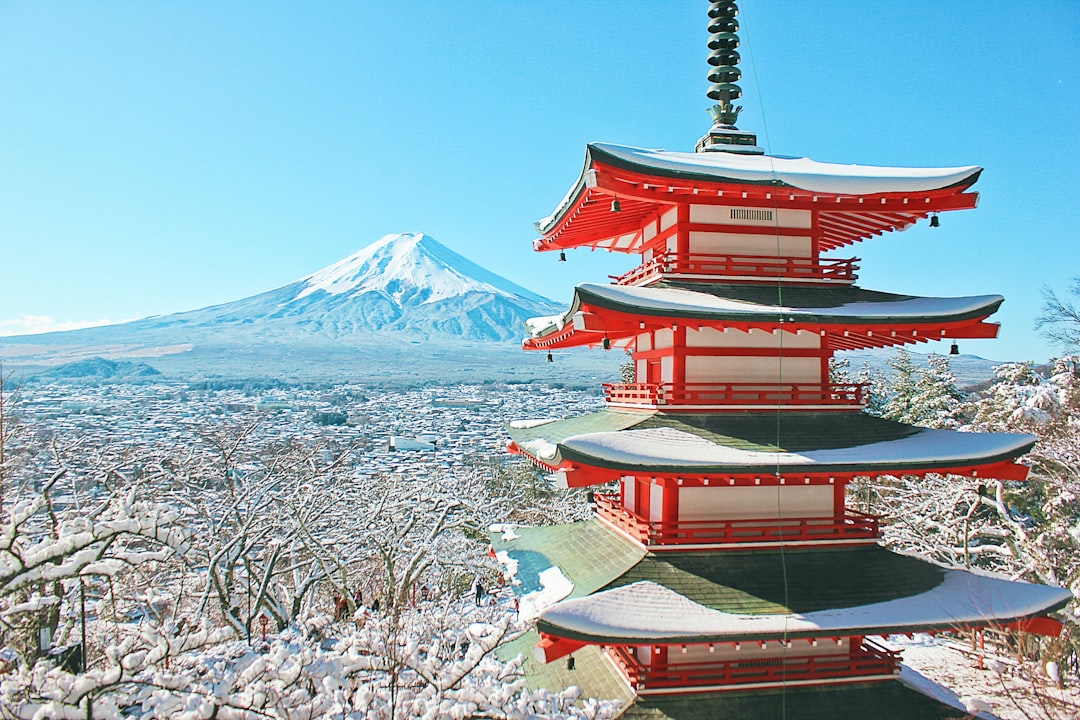
Hakone (Kanagawa Prefecture) is the most popular onsen destination for Tokyo visitors. It’s just 85 minutes from Shinjuku by Romancecar train (around ¥2,470 one way). You get stunning views of Mt. Fuji, excellent ryokan options, and baths with volcanic black sulfur water. The Tenzan Tohji-kyo facility offers day bathing from ¥1,400.
Beppu (Oita Prefecture, Kyushu) is Japan’s most prolific hot spring city with over 2,800 spring sources. The famous “Hells of Beppu” are colorful boiling pools that you view rather than bathe in — perfect for sightseeing. Day bathing at Hyotan Onsen starts at ¥1,000 and the facility has English signage throughout.
Kinosaki Onsen (Hyogo Prefecture) is a charming small town where you receive a free yukata (cotton robe) and can walk between seven different public bathhouses on your street. A one-day bathing pass costs ¥1,500. It’s a 2.5-hour train ride from Osaka and genuinely feels like stepping back in time.
FAQ
Can I visit an onsen if I have tattoos?
Yes, but you need to plan ahead. Search specifically for tattoo-friendly onsen or book a private kashikiri bath, which typically costs ¥2,000–¥5,000 per hour. In Hakone, Tenzan Tohji-kyo and Yunessun both welcome tattooed guests.
What should I bring to an onsen?
Most facilities provide towels, shampoo, and soap for a small rental fee or include them in the entry price. Bring your own if you prefer. Leave your phone and camera in the locker — photography inside an onsen is strictly forbidden.
Is it okay to visit an onsen as a solo traveler?
Absolutely. Solo onsen visits are completely normal in Japan. Staff at tourist-area facilities are accustomed to helping foreign visitors, and many now offer simple English instructions at the entrance. Just follow the wash-first rule and you’ll be fine.
Conclusion
Visiting a Japanese onsen is one of those experiences that stays with you long after you leave Japan. It’s relaxing, cultural, and genuinely good for your body. The rules might seem strict at first, but they exist to make the experience comfortable for everyone — including you.
Start with a well-known, tourist-friendly destination like Hakone or Kinosaki Onsen, follow the etiquette in this guide, and you’ll wonder why you ever felt nervous about it. Ready to plan your first soak? Check out our full guide to ryokan stays in Japan to make your hot spring trip an overnight experience you’ll never forget.