
Gion Matsuri is one of Japan’s most iconic festivals, and knowing how to experience Gion Matsuri in Kyoto the right way can mean the difference between an unforgettable trip and a frustrating crowd nightmare. Held every July in Kyoto, this month-long celebration dates back over 1,100 years and draws millions of visitors from around the world. Whether you want to see the grand float processions or simply soak up the lantern-lit streets, this guide has everything you need.
When to Go and What to Expect

Gion Matsuri runs throughout the entire month of July, but the highlights are concentrated around two major processions: the Saki Matsuri on July 17 and the Ato Matsuri on July 24. Both events feature enormous wooden floats called yamaboko paraded through central Kyoto, accompanied by traditional music and elaborately costumed participants.
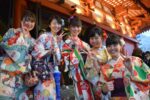
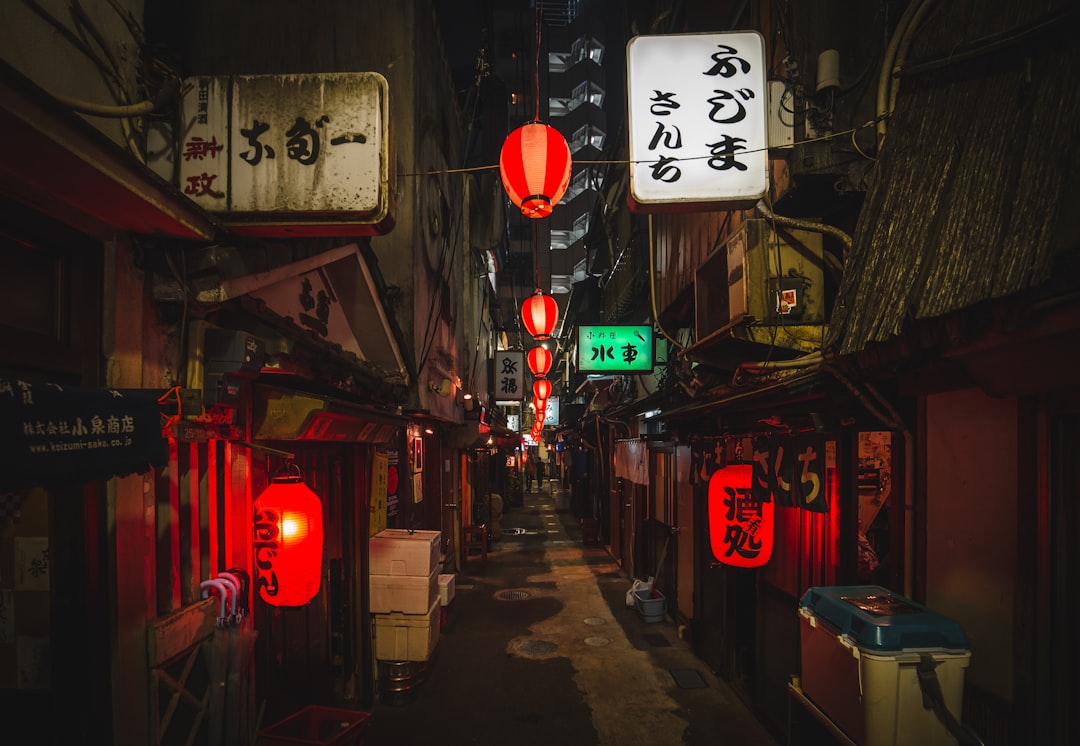
The most atmospheric evenings are the Yoiyama nights — July 14–16 for the first procession and July 21–23 for the second. During Yoiyama, Shijo-dori and the surrounding streets in the Gion district are closed to traffic and transformed into a massive outdoor festival with food stalls, lantern-lit floats on display, and locals dressed in yukata.
A practical example: if you arrive in Kyoto on the evening of July 15, you can walk from Karasuma-Oike Station, explore the illuminated floats on Shijo-dori, grab grilled corn or takoyaki from a street vendor, and be back at your hotel by 10 p.m. — all without spending a single yen on admission.
Where to Watch the Processions
The main procession route on July 17 runs north along Shijo-dori, then east along Oike-dori toward Kawaramachi. The best free viewing spots are along Oike-dori, where the floats slow down and make dramatic turns. Arrive by 8:30 a.m. to claim a good curbside spot before the procession begins at 9:00 a.m.
If you want a guaranteed elevated view, paid bleacher seats are available along the route for approximately ¥2,000–¥4,500 per person. These sell out weeks in advance, so book through the Kyoto city tourism portal or your hotel concierge as early as possible.
Some hotels along Oike-dori, such as the Monterey Kyoto or Hotel Granvia Kyoto, offer special balcony viewing packages. These typically cost ¥15,000–¥30,000 per person and include breakfast or drinks — pricey, but completely worth it if crowds stress you out.
How to Get There and Navigate the Crowds
The festival area is centered around Gion-Shijo Station (Keihan Line) and Karasuma Station (Hankyu Line), both within easy walking distance of the float district. On procession days, Kyoto city buses become severely overcrowded — stick to the subway and train lines wherever possible.
On July 17, major roads around Shijo-dori close to vehicles from around 6:00 a.m. Taxi drop-offs become impossible near the core area, so plan your walking routes in advance using Google Maps with the pedestrian option selected. The nearest subway station to the main viewing area on Oike-dori is Karasuma-Oike Station (Karasuma Line / Tozai Line interchange).
A common mistake foreigners make is showing up at noon expecting to find a good spot — by then, crowds are several people deep on both sides of the street. For Yoiyama nights, the streets get dangerously packed after 7:00 p.m., so arrive before 5:30 p.m. if you want to actually move around comfortably.
What to Wear, Eat, and Buy
July in Kyoto is brutally hot and humid, with temperatures regularly hitting 35°C (95°F). Wear lightweight, breathable clothing, bring a small towel, and stay hydrated constantly. A portable fan or uchiwa (paper fan) will make the experience significantly more comfortable — you can buy these at convenience stores like Lawson or FamilyMart for around ¥300.
The food stalls lining Shijo-dori and the side streets serve everything from kakigori (shaved ice, ¥400–¥600) to kushikatsu (deep-fried skewers, ¥150–¥300 each). Don’t miss the chance to try chirimen sansho, a Kyoto specialty of tiny dried fish with Japanese pepper, sold at festival market stalls for around ¥800 a packet — it makes a great souvenir.
Many local shops in the Gion district open their private spaces during Yoiyama in a tradition called byobu matsuri, displaying precious folding screens and antiques. This is completely free to enter and gives you a rare look inside Kyoto’s historic machiya townhouses.
FAQ
Do I need to buy tickets to watch Gion Matsuri?
No tickets are required to watch from the street or attend Yoiyama. Bleacher seating along the parade route does require paid tickets (¥2,000–¥4,500), which you should book weeks ahead.
Is Gion Matsuri suitable for children?
Yes, but be aware of the extreme heat and dense crowds on peak nights. Younger children may find Yoiyama evenings overwhelming after 7:00 p.m. Morning procession viewing on July 17 is generally more manageable for families.
How far in advance should I book accommodation?
Book at least three to four months ahead for July dates in Kyoto. Hotels near Karasuma-Oike and Gion-Shijo fill up extremely fast. If Kyoto is fully booked, Osaka (30 minutes by Shinkansen) is a practical base.
Conclusion
Gion Matsuri is a once-in-a-lifetime experience that rewards those who plan ahead. Arrive early, dress for the heat, use the subway, and spend at least one Yoiyama evening wandering the lantern-lit streets — you won’t regret it.
Ready to start planning? Check our complete Kyoto travel guide at j-nav.com for hotel recommendations, day-trip ideas, and everything else you need to make the most of your time in Japan’s ancient capital.