
Tokyo can feel overwhelming the moment you land. It’s enormous, endlessly busy, and packed with more things to see and do than any single trip could cover. But that’s exactly what makes it one of the most exciting cities on the planet. Whether you have three days or two weeks, knowing the best things to do in Tokyo for first-time visitors will help you make the most of every hour — without wandering aimlessly or missing the highlights.
This guide focuses on real, practical experiences that deliver the full Tokyo experience. No filler, no vague suggestions — just the places and activities that genuinely impress first-timers every single time.
Explore the Historic East: Asakusa and Senso-ji Temple

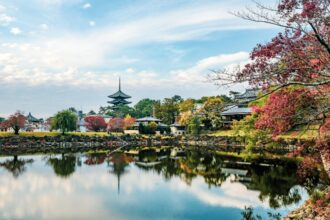
Asakusa is where old Tokyo still breathes. The neighborhood’s crown jewel is Senso-ji Temple, Tokyo’s oldest Buddhist temple and one of the most visited sites in Japan. Walk through the iconic Kaminarimon Gate, stroll down Nakamise-dori shopping street, and take in the five-story pagoda — all without spending a single yen.
The best time to visit is early morning, around 7:00–8:00 AM, before the tour groups arrive. You’ll have the temple grounds almost to yourself, and the atmosphere is genuinely peaceful. From Asakusa Station (Ginza Line or Asakusa Line), the temple is just a five-minute walk.
While you’re in the area, grab a freshly made ningyo-yaki (small sponge cakes filled with red bean paste) from one of the Nakamise stalls for around ¥600–¥800 for a pack of six. It’s a small thing, but it’s the kind of authentic snack that sticks in your memory long after you’ve left Japan.
Cross the Most Famous Intersection on Earth: Shibuya Crossing
No first trip to Tokyo is complete without standing in the middle of Shibuya Crossing. When the lights turn red in all directions and hundreds of people flood the intersection from every angle, it’s one of those moments that makes you feel like you’re truly in Tokyo. It costs nothing and takes five minutes — but you’ll talk about it for years.
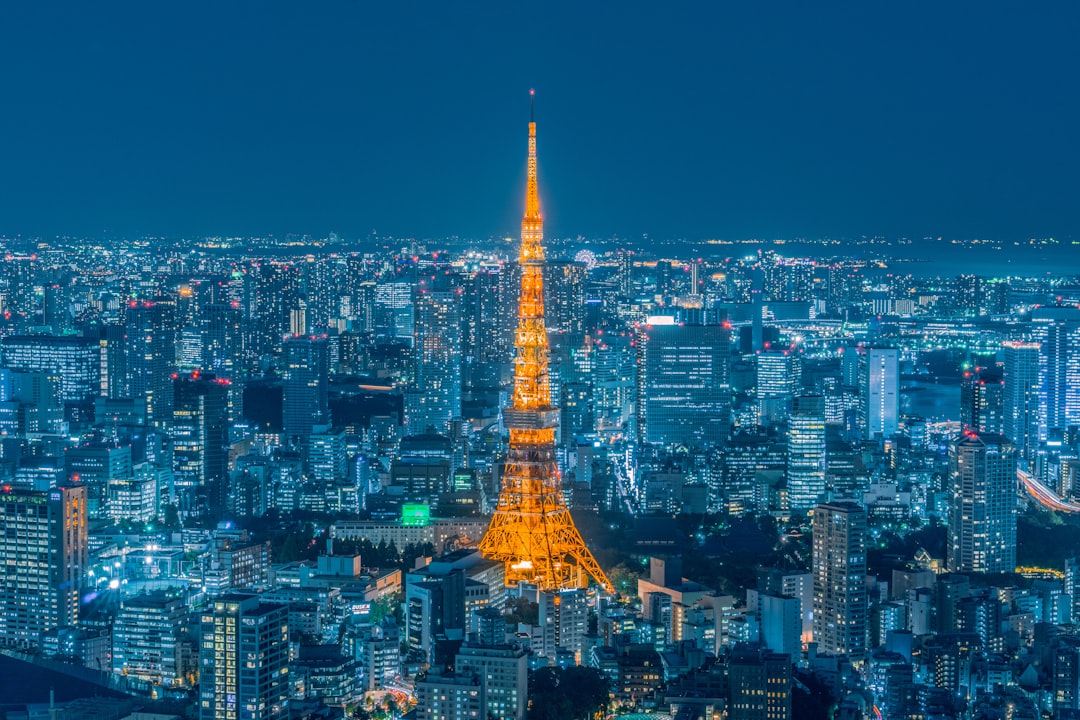
For the best view from above, head to the Shibuya Sky observation deck inside Shibuya Scramble Square. Tickets cost ¥2,000 for adults (book online in advance at shibuya-sky.com to skip the queue). The rooftop view at sunset is spectacular, with the crossing visible far below amid the glittering cityscape.
Shibuya Station is a major hub on the JR Yamanote Line, making it easy to reach from virtually anywhere in central Tokyo. Plan to visit in the evening when the neon signs are fully lit and the energy is at its peak.
See Tokyo From Above: Shinjuku and the Metropolitan Government Building
If you want a free alternative to paid observation decks, the Tokyo Metropolitan Government Building in Shinjuku offers a north and south observatory at 202 meters — completely free of charge. Both observatories are open until 10:30 PM (south tower closes at 5:30 PM), making it a fantastic evening option.
On a clear day — most common in autumn and winter — you can see Mount Fuji to the west. It’s a jaw-dropping view that many visitors don’t even know is possible from central Tokyo. From Tochomae Station (Oedo Line), it’s a two-minute walk.
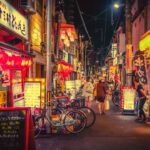
After the observation deck, explore the rest of Shinjuku. The area offers everything from the buzzing neon alleys of Kabukicho to the compact, lantern-lit drinking street of Golden Gai, where tiny bars with just eight seats serve cold beer and real conversation from around ¥800 per drink.
Discover Calm in the Chaos: Meiji Shrine and Harajuku
Just a short walk from the fashionable shopping street of Takeshita-dori in Harajuku, Meiji Shrine is a forested Shinto shrine dedicated to Emperor Meiji and Empress Shoken. Entering through the towering wooden torii gate and walking through 70,000 trees feels like stepping out of the city entirely — even though you’re still inside it.
Admission is free for the main shrine grounds. If you want to enter the inner garden (Meiji Jingu Gyoen), the fee is ¥500. The shrine is accessible from Harajuku Station on the JR Yamanote Line, which also puts you right at the top of Takeshita-dori for a contrast of serene tradition and wild Japanese street fashion.
FAQ
How many days do I need to see the best of Tokyo?
A minimum of four to five full days gives you enough time to cover the major neighborhoods without feeling rushed. Tokyo is vast — even locals haven’t seen all of it. If you only have two or three days, prioritize Asakusa, Shibuya, and Shinjuku first.
Is Tokyo expensive for tourists?
Tokyo is more affordable than many people expect. Subway rides cost ¥170–¥320, convenience store meals run ¥500–¥800, and ramen at a local shop is around ¥900–¥1,200. Budget around ¥8,000–¥12,000 per day for food, transport, and a few paid attractions if you’re being reasonably careful.
What’s the best way to get around Tokyo?
The IC card system (Suica or Pasmo) is your best friend. Load it at any station machine with your credit card or cash, then tap in and out at every subway and JR train gate. It works on buses too. Buy one at Narita or Haneda Airport as soon as you arrive — it makes navigating the city dramatically easier.
Conclusion
Tokyo rewards curious visitors who show up prepared. From the ancient gates of Senso-ji to the electric chaos of Shibuya Crossing and the quiet forest paths of Meiji Shrine, the city offers experiences that are both wildly unique and surprisingly accessible — even for first-timers who don’t speak a word of Japanese.
Start planning your Tokyo itinerary today. Browse the Japan Navigator Tokyo travel guides at j-nav.com for deeper dives into each neighborhood, transport tips, and the best places to eat on every budget. Your first trip to Tokyo is going to be unforgettable — let’s make sure you’re ready for it.