
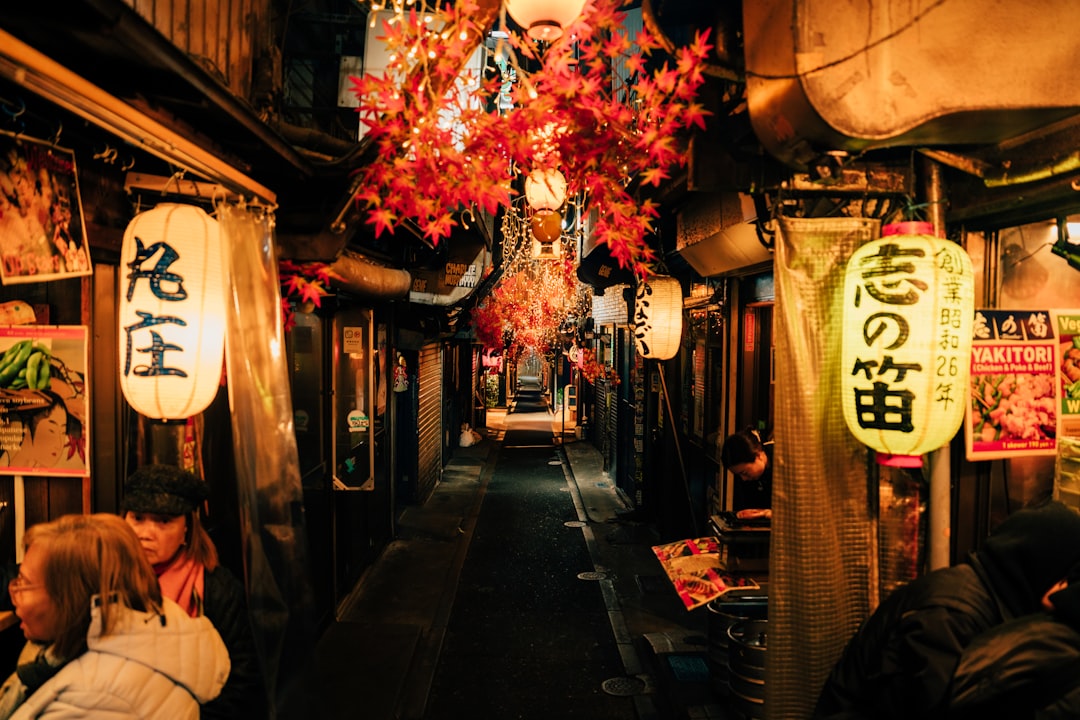
Visiting Japan for the first time is one of the most exciting travel experiences you can have — but it can also feel overwhelming if you don’t know what to expect. From navigating a busy Tokyo train station to figuring out where you can actually use your credit card, the small details matter a lot here. These Japan travel tips for first-time visitors will help you skip the rookie mistakes and make the most of every single day on the ground.
Getting Around Japan: Trains, IC Cards, and Getting Lost Less

Japan’s public transportation system is world-class, but it has a learning curve. The IC card — specifically Suica or ICOCA — is your best friend. You can buy one at any major airport or train station, load it with yen, and tap in and out of almost every train, subway, and bus across the country. It also works at convenience stores and vending machines, which is a huge bonus.
For longer distances between cities, the Shinkansen (bullet train) is fast, reliable, and genuinely worth the experience. If you’re planning to travel between Tokyo, Kyoto, Osaka, and Hiroshima, consider buying a Japan Rail Pass before you leave home — it must be purchased outside Japan and can save you significant money on multiple long-distance trips.
One real-world tip: Google Maps works extremely well in Japan. Type in your destination in English, select “transit,” and it will tell you exactly which train line to take, which platform to use, and when to transfer. First-time visitor mistake? Boarding the express train when you needed the local — always double-check the train type displayed on the platform board.
Paying for Things: Cash Is Still King in Japan
Japan is far more cash-dependent than most visitors expect in 2026. While card acceptance has improved significantly in major cities, many local restaurants, shrines, smaller shops, and izakayas still accept cash only. Arriving without yen can leave you hungry and frustrated.
The easiest and most reliable way to get yen is from a 7-Eleven ATM (inside every 7-Eleven convenience store). These ATMs accept most international Visa, Mastercard, and Maestro cards and have an English-language interface. You’ll find a 7-Eleven within walking distance almost anywhere in Japan. Avoid airport currency exchange counters — the rates are consistently worse.
A practical budget note: a sit-down ramen lunch in Tokyo costs around ¥800–¥1,200, a subway ride is typically ¥180–¥300, and a quality sushi dinner can range from ¥1,500 at a conveyor belt spot to over ¥15,000 at a traditional omakase restaurant. Having ¥10,000–¥15,000 in cash per day is a reasonable starting point for most travelers.
Japanese Etiquette: Small Gestures That Make a Big Difference
Japanese culture places high value on consideration for others, and knowing a few basic rules will make your experience smoother — and earn you genuine respect. Never eat or drink while walking on the street. It’s considered rude and you’ll stand out immediately. At convenience stores, step to the side before opening your snack.
On trains and subways, keep your voice low and put your phone on silent. Priority seating near the doors is reserved for elderly passengers, pregnant women, and people with disabilities — don’t sit there even if the car is empty. Also, always queue in the marked lines on the platform. Japanese commuters take this seriously.
At restaurants, you’ll often receive a small wet towel (oshibori) before your meal — use it to clean your hands, not your face. When paying, place your money in the small tray on the counter rather than handing it directly to the cashier. These small habits signal respect and will make your interactions noticeably warmer.
FAQ
Do I need to speak Japanese to visit Japan?
No — you can travel Japan very comfortably without speaking Japanese. Most train stations, airports, and tourist areas have English signage. Google Translate’s camera function is excellent for menus and signs. Learning a few basics like “sumimasen” (excuse me) and “arigatou gozaimasu” (thank you) goes a long way in showing goodwill.
Is Japan safe for solo travelers?
Japan is consistently ranked among the safest countries in the world for tourists. Violent crime is extremely rare, and it’s common to see solo female travelers moving around major cities late at night without concern. That said, keep standard travel sense — watch your belongings in crowded areas like Shibuya Crossing or Osaka’s Dotonbori on weekends.
What’s the best time of year to visit Japan?
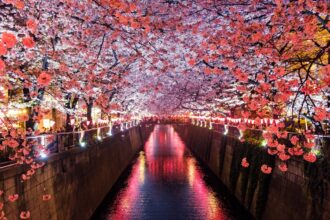
Spring (late March to early April) for cherry blossoms and autumn (mid-October to mid-November) for fall foliage are peak seasons — beautiful but crowded and more expensive. If you want fewer tourists and lower hotel prices, consider visiting in January–February or June (rainy season, but very manageable with a compact umbrella).
Conclusion
Japan rewards travelers who come prepared. With a loaded IC card, a pocket full of yen, and a basic understanding of local etiquette, your first trip will feel far less stressful — and far more magical. The country is genuinely welcoming to foreigners, and every confusion you encounter is just part of the adventure.
Ready to go deeper? Explore our guides on how to use the Shinkansen, the best neighborhoods to stay in Tokyo, and what to eat in Osaka right here on Japan Navigator. Your best Japan trip starts with the right information.