
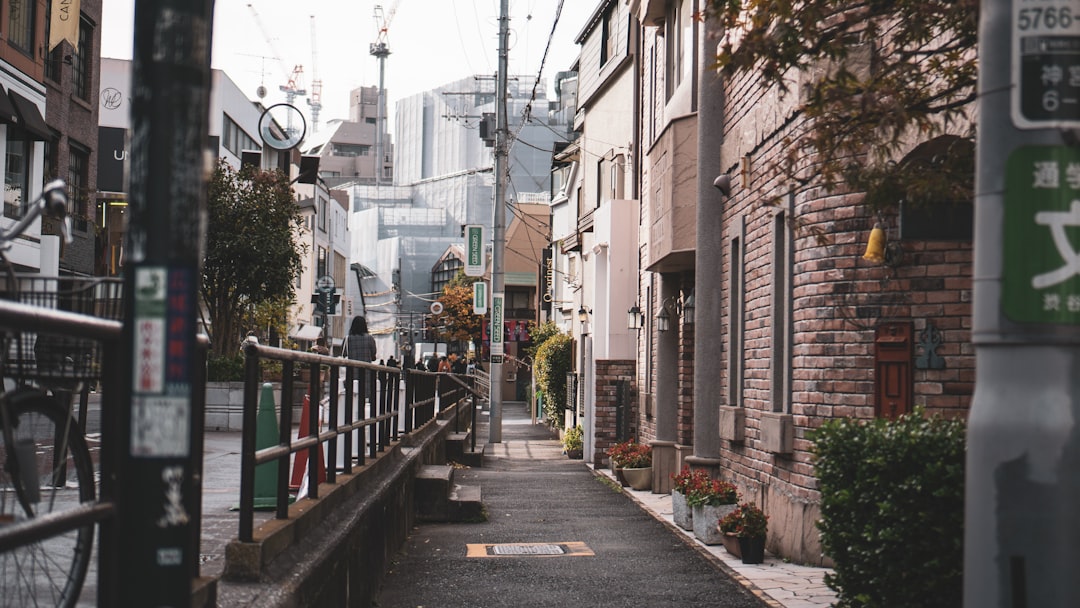
Tokyo is endlessly exciting, but some of Japan’s most unforgettable experiences are just a short train ride away. The best day trips from Tokyo let you explore ancient temples, volcanic hot springs, dramatic coastlines, and historic castle towns — all without unpacking your suitcase. Whether you have one free day or several, these escapes are easy to plan and completely worth it.
Kamakura: Coastal Temples and the Giant Buddha

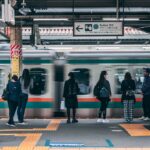
Kamakura is one of the most popular day trips from Tokyo, and for good reason. Located about 50 minutes from Shinjuku via the JR Shonan-Shinjuku Line (roughly ¥940 each way), this seaside town is packed with ancient shrines, zen temples, and the iconic Kotoku-in Daibutsu — a 13-meter bronze Buddha that has sat outdoors since the 1400s.
Start at Kamakura Station and walk the Komachi-dori shopping street for matcha snacks and souvenirs. Then head to Kotoku-in (admission ¥300), Hase-dera Temple (¥400), and finish at Tsurugaoka Hachimangu Shrine, which is free to enter. If time allows, ride the Enoden Line along the coast to Enoshima Island for ocean views and fresh seafood.
A typical visitor spending one full day in Kamakura should budget around ¥3,000–¥5,000 including transport, entry fees, and lunch. Avoid visiting on weekends in cherry blossom season — the narrow streets become extremely crowded and temple queues can stretch 30+ minutes.
Nikko: Ornate Shrines Deep in the Mountains
If you only have time for one day trip that truly blows your mind, make it Nikko. Located about two hours from Asakusa on the Tobu Nikko Line (¥1,390 one way, or free with a Tobu Nikko Pass), this UNESCO World Heritage site is home to the jaw-dropping Toshogu Shrine — arguably the most elaborately decorated building in all of Japan.
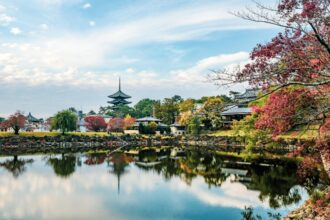
The Toshogu complex costs ¥1,300 to enter and easily takes two to three hours to explore. Don’t miss the famous three wise monkeys carving above the sacred stable, or the climb up to Ieyasu Tokugawa’s mausoleum hidden in towering cedar forest. In autumn (late October to mid-November), the maple trees around Nikko turn brilliant red and orange — one of Japan’s most spectacular seasonal sights.
Plan to leave Tokyo by 7:30 AM to make the most of your day. The Tobu Nikko Pass (¥4,780 from Asakusa) is excellent value and covers round-trip trains plus unlimited local buses, which you’ll need to reach the Rinno-ji Temple area.
Hakone: Mt. Fuji Views and Open-Air Art
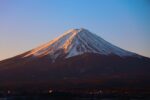
Hakone sits inside a volcanic caldera about 85 minutes from Shinjuku on the Romancecar express (¥2,470 one way), offering dramatic views of Mt. Fuji on clear days — best in winter and early spring when the air is crisp. The Hakone Open-Air Museum (¥1,600) is a highlight even without Fuji views, with Picasso sculptures and immersive art installations set across beautiful outdoor gardens.
The Hakone Free Pass (¥6,500 from Shinjuku, including the Romancecar) is the smartest way to visit. It covers the scenic cog railway, ropeway over volcanic Owakudani, and a cruise across Lake Ashi — a full loop that takes about six to seven hours. Pack a towel if you want to soak your feet at one of the free ashiyu (foot baths) near Hakone-Yumoto Station.
Yokohama: Chinatown, Harbor Views, and Craft Beer
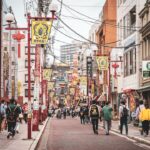
Yokohama makes for a relaxed, easy day trip — just 25–30 minutes from Shibuya on the Tokyu Toyoko Line (¥280). Japan’s second-largest city has a completely different vibe from Tokyo, with a cool harborfront district called Minato Mirai, a lively Chinatown (the largest in Japan), and the historic Yamashita Park waterfront.
Have dim sum lunch in Chinatown (budget ¥1,500–¥2,500), stroll the waterfront, and visit the Cup Noodles Museum (¥500) where you can design your own instant ramen. In the evening, the Minato Mirai skyline lights up beautifully — making Yokohama one of the few day trips that’s actually better if you stay until dark.
FAQ
What is the easiest day trip from Tokyo for first-time visitors?
Kamakura is the easiest option. The train is straightforward from Shinjuku, everything is walkable from the station, and the mix of temples, shopping, and coastal scenery covers a lot of ground in one day.
Do I need to book trains in advance for day trips from Tokyo?
For most day trips, regular JR or private line trains don’t require reservations. However, the Hakone Romancecar has reserved seating and can sell out on weekends — book through the Odakyu app or at Shinjuku Station at least a day ahead.
Are day trips from Tokyo covered by the JR Pass?
Kamakura and Nikko (partially) are covered by the JR Pass. Hakone uses the Odakyu Line and is not covered. Always check which rail company operates each route before assuming your pass applies.
Conclusion
Tokyo’s surroundings are packed with experiences that rival the city itself. Whether you’re chasing Fuji views in Hakone, wandering temple paths in Kamakura, or marveling at golden shrines in Nikko, a day trip can completely transform your Japan trip. Pick one destination, grab your IC card, and get on that train — the best memories are often just 90 minutes away.
Explore more travel guides on Japan Navigator to plan every detail of your Tokyo trip with confidence.